
Best Plateresque Style in Cáceres for 2025 | Top Examples
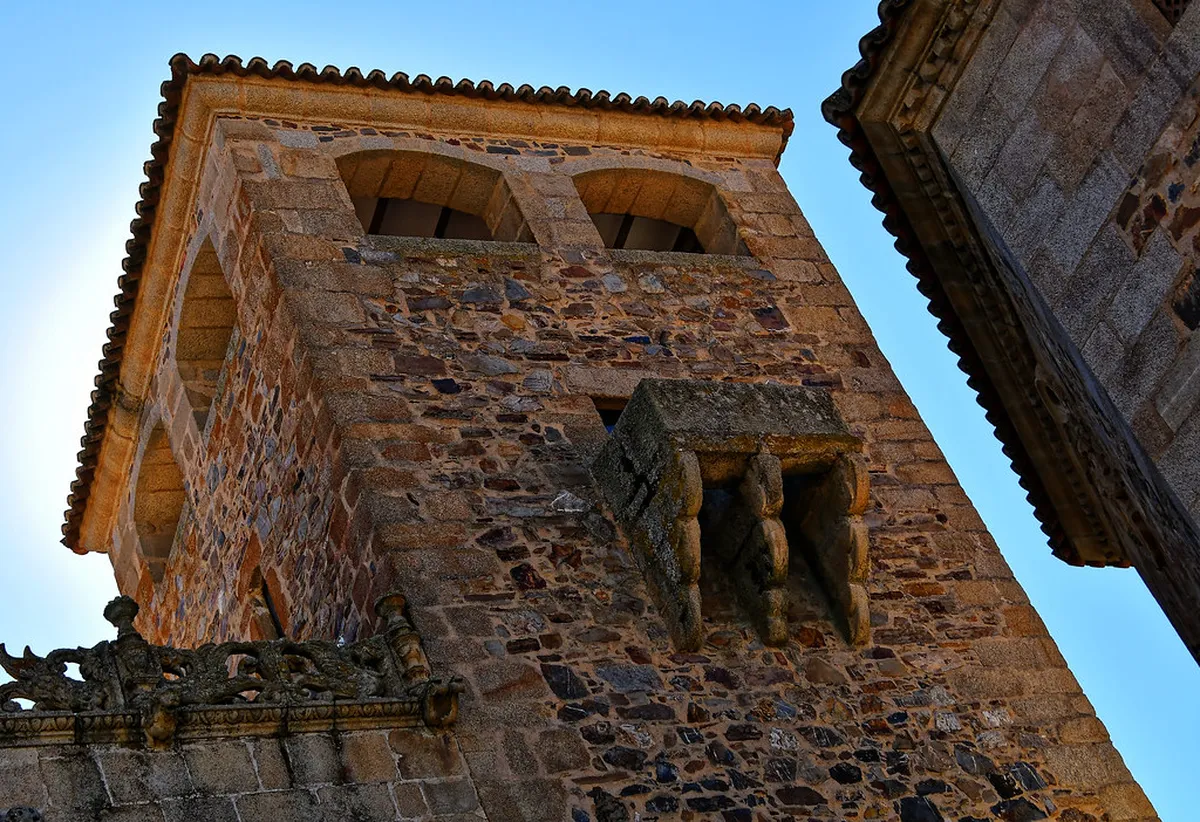
Table of Contents
Uncover the Best Plateresque Style in Cáceres, Spain
Cáceres, a UNESCO World Heritage city, boasts incredible architectural history. Its ancient streets tell tales of various eras. One prominent style is the elegant Plateresque.
This unique Spanish Renaissance art flourished in the 16th century. It blends Gothic and Renaissance elements with silverwork-like detail. You can easily spot Plateresque style in Cáceres, especially on its grand palaces. Prepare to explore these magnificent facades in 2025. This guide highlights the best examples.
Understanding Plateresque Architecture in Cáceres
Plateresque architecture gets its name from 'platero,' meaning silversmith. The intricate stone carvings resemble delicate silverwork. This style marked Spain's transition from Gothic to Renaissance.
Its key features include highly detailed facades and classical motifs. You will see grotesques, heraldry, and mythological figures. These elements adorn doorways, windows, and courtyards. Cáceres developed many Cáceres Renaissance palaces during this period.
Local nobles commissioned these ornate buildings. They showcased their wealth and status. The Old Town of Cáceres provides an open-air museum. You can admire this beautiful, decorative style everywhere. It truly defines the city's architectural charm.
Palacio de los Golfines de Abajo: A Grand Plateresque Example
The Palacio de los Golfines de Abajo stands as a prime example. Its impressive facade showcases rich Plateresque elements. Look closely at the intricate carvings around its main entrance. You will find exquisite heraldry and classical columns.
The two-story corner balcony adds to its grandeur. This palace reflects the Golfines family's power. It is one of the most prominent palaces in Cáceres. While typically closed to the public, its exterior is breathtaking.
Take time to appreciate the detailed coats of arms. These emblems proudly display family lineage. The decorative window frames also exhibit fine Plateresque artistry. The palace embodies the peak of this style in the city.
Palacio de Carvajal: Intricate Plateresque Details
The Palacio de Carvajal offers another excellent example. Its unique circular tower makes it easily recognizable. The tower itself has Moorish influences. However, its courtyard and window surrounds feature distinct Plateresque.
You can often visit the inner courtyard and garden. Entry is usually free during open hours. Check current schedules for 2025 to plan your visit. This offers a different perspective on the style.
Inside, observe the delicate stone carvings. They decorate the columns and arches. The courtyard provides a tranquil space. It highlights the beauty of this Cáceres Old Town architecture. Look for small, hidden details.
Other Plateresque Gems: Explore More of Cáceres
💡 Pro Tip: Book your Caceres adventures in advance through Viator for the best deals!
Beyond the major palaces, Plateresque flourishes across Cáceres. The Palacio de Godoy, though primarily Renaissance, features Plateresque touches. Its corners often display intricate decorative motifs. Keep an eye out for these subtle embellishments.
Many smaller noble houses within the walled city have Plateresque doorways. They feature elaborate carvings and family crests. Embark on a Cáceres architecture walking tour. You will discover many such hidden artistic gems.
The city's devotion to stone carvings in Cáceres is evident. From grand facades to humble entrances, artistry abounds. Plateresque elements enrich the visual tapestry of this historic city. Every corner holds a piece of this unique heritage.
Frequently Asked Questions
What defines Plateresque architecture in Spain?
Plateresque architecture combines Gothic, Mudéjar, and Renaissance elements. It is known for its extremely rich and detailed ornamentation. This style resembles intricate silverwork, hence its name. Think of highly decorative facades and classical motifs. These include grotesques, coats of arms, and floral designs. It marks a unique Spanish artistic period.
Can I visit the interiors of Plateresque palaces in Cáceres in 2025?
Many Plateresque palaces in Cáceres are private residences. Therefore, their interiors are generally not open to the public. However, some palaces, like Palacio de Carvajal, have courtyards accessible for visitors. Check for any temporary exhibitions or special openings. This lets you experience parts of their internal beauty. Always check opening hours for 2025 beforehand. Learn more about Cáceres palaces before your trip.
Where are the best stone carvings in Cáceres located?
The best stone carvings are found on Plateresque facades throughout the Old Town. Key locations include the Palacio de los Golfines de Abajo's main entrance. Also, explore the Palacio de Carvajal's courtyard. Look for detailed embellishments around doorways and windows. Many smaller noble houses also feature exquisite carvings. These demonstrate the widespread use of Plateresque details in Cáceres.
Cáceres offers a spectacular journey through architectural history. Its Plateresque style truly stands out. The intricate details and ornate facades are a testament to past craftsmanship. This unique blend of styles makes Cáceres truly unforgettable.
From the grandeur of Golfines to the charm of Carvajal, beauty awaits. Discover these stunning examples of Plateresque art firsthand. Plan your visit to Cáceres in 2025 and marvel at its timeless elegance. Explore more Cáceres architectural wonders soon.
Key Takeaways
- Plateresque style combines Gothic and Renaissance, resembling intricate silverwork.
- The Palacio de los Golfines de Abajo showcases grand Plateresque facades.
- Palacio de Carvajal offers accessible courtyards with notable Plateresque elements.
- Many smaller noble houses in Cáceres feature hidden Plateresque doorways.
- Plan a walking tour to discover these unique architectural details in 2025.