
Discover the Historic Coats of Arms in Cáceres, Spain
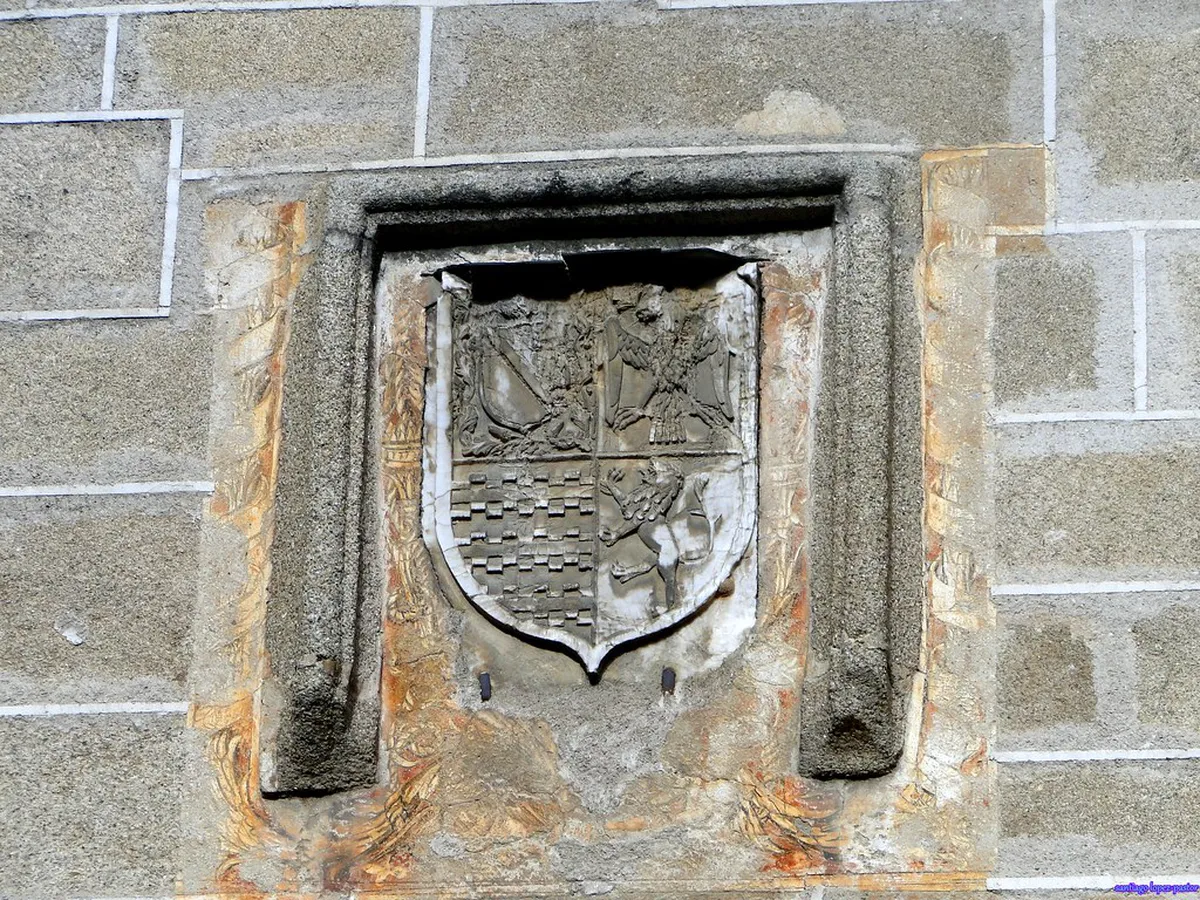
Table of Contents
Cáceres Heraldry: Unveiling Stories in Stone
Cáceres, a UNESCO World Heritage city, boasts incredible historical depth. Its ancient streets and buildings tell countless stories. Many of these tales are etched into stone facades. These are the fascinating coats of arms Cáceres proudly displays.
These heraldic shields offer a glimpse into the past. They represent noble families, their lineage, and their power. Understanding them enhances any Cáceres architecture guide. Prepare to uncover the secrets held within these stony emblems during your 2025 visit to Spain. You can learn more about decoding the heraldry on Cáceres buildings to truly appreciate their meaning.
The Significance of Heraldry in Cáceres
Heraldry served a vital purpose in medieval and Renaissance Cáceres. Coats of arms identified noble families and their territories. They were symbols of status and authority. These emblems decorated homes, palaces, and public buildings throughout the city.
Each symbol on a shield held deep meaning. Lions represented courage, while castles signified strong lineage. Stars might denote divine guidance or high aspirations. These intricate designs communicated family history silently. They still fascinate visitors exploring Cáceres Old Town architecture today.
The tradition of displaying heraldry persisted for centuries. Families commissioned master stonemasons for their crests. The quality of the carving often reflected their wealth. Exploring these historical details makes stone carvings in Cáceres particularly rewarding. Look closely to spot the subtle differences.
These stone markers are more than just decoration. They are historical documents frozen in time. They connect us directly to Cáceres' rich past. Many visitors find them a highlight of their architectural tour.
Decoding the Symbols: A Guide to Cáceres' Coats of Arms
Understanding Cáceres' coats of arms requires a keen eye. Look for common charges, which are the figures on the shield. Castles with three towers are frequent motifs. They often indicate a family's connection to fortifications or nobility. Lions, eagles, and other animals also appear often.
Color, though faded on stone, originally conveyed meaning. Red symbolized bravery, blue meant loyalty. Green often represented hope or joy. Although colors are gone, the shapes still tell a story.
Several important families left their mark on Cáceres. The Carbajales, Golfines, and Toledo families are prominent examples. Each had distinct, recognizable Cáceres palaces adorned with their unique crests. Their coats of arms serve as signatures on their grand residences.
Pay attention to the shield's shape and surrounding elements. Helmets, mantling, and crowns offer clues about rank. These details reveal a family's exact position in society. It adds another layer to the city's visual history.
Top Spots to Discover Cáceres' Heraldry
Cáceres offers many excellent locations to view impressive coats of arms. The Palacio de los Golfines de Abajo is a prime example. Its facade showcases an enormous, intricate family crest. This palace represents one of the most powerful families in Cáceres history. It is a must-see for any heraldry enthusiast.
Another significant site is the Palacio de las Veletas. This building features a different yet equally striking coat of arms. It belonged to the wealthy Pereros family. These palaces are central to understanding Cáceres Renaissance palaces. Many offer stunning examples of heraldic art.
Don't miss the Plaza de Santa María area. Numerous noble houses surround the square. Each building tells a part of the city's noble past. You can easily spend hours admiring the various designs here. It is an ideal spot for architectural exploration.
Wander through the narrow streets of the historical quarter. You will find smaller, less prominent shields everywhere. Keep your eyes peeled above doorways and on corner buildings. Even churches like San Mateo Church in Cáceres display some religious or noble heraldry. A self-guided walking tour can reveal many hidden gems.
Even the Bujaco Tower, part of the ancient walls, features some historical carvings. While not strictly heraldic, they show the city's ancient defenses. These coats of arms truly define the city's character for 2025 visitors. Visiting these sites can take several hours, so plan your time accordingly.
Preservation and Modern Views of Heraldry
⭐ Recommendation: Don't miss out on amazing Caceres tours - book now!
The preservation of Cáceres' coats of arms is crucial. These historical artifacts face natural erosion and pollution. Conservation efforts work to protect these delicate carvings. They ensure future generations can also appreciate their beauty.
Many buildings remain private residences today. Others have become museums or public institutions. Their coats of arms are often carefully maintained. These efforts contribute to architectural conservation in Cáceres. The city values its unique heritage.
In modern Cáceres, these coats of arms serve a new purpose. They attract tourists and history enthusiasts alike. They are a powerful visual representation of the city's past. This rich history makes Cáceres a unique destination. Visitors often marvel at the detailed artistry.
Local guides can offer deeper insights into their stories. Consider joining a specialized tour to learn more. Such tours enhance your understanding beyond simply seeing the symbols. They bring the history of Cáceres' nobility to life. This experience enriches any trip to Spain.
Frequently Asked Questions
What do the symbols on Cáceres' coats of arms mean?
Symbols on Cáceres' coats of arms represent various qualities. Lions often denote courage and strength. Castles signify nobility or territorial claims. Eagles can symbolize power or religious faith. Each symbol holds specific historical meaning related to the family it represents.
These meanings often derive from medieval European heraldry traditions. Many families incorporated elements from their historical deeds. Exploring Cáceres heraldry reveals more intricate details. You can discover rich layers of history in each crest.
Where can I find the most impressive coats of arms in Cáceres?
The Palacio de los Golfines de Abajo features one of the most striking coats of arms. The Palacio de las Veletas also displays a notable family crest. Both are located within the historical quarter. Many Renaissance palaces in Cáceres showcase incredible examples.
Stroll through the Plaza de Santa María for multiple examples. The Plaza Mayor buildings also hint at past noble connections. Look carefully at older buildings as you walk. You'll discover numerous family crests across the city.
Are there any guided tours focusing on Cáceres heraldry?
While specific heraldry-focused tours are less common, many general historical tours touch upon it. Local guides often highlight prominent coats of arms. They share their historical significance during your visit. These tours are excellent for a deeper understanding.
Consider an architecture walking tour for broader context. You can then focus on heraldry details independently. Check with the Cáceres tourist office for specialized offerings. They can provide current information for your 2025 trip.
What is the best time of year to view Cáceres' architectural details?
Spring (April to June) and Fall (September to October) are ideal. The weather is mild and pleasant. Fewer crowds mean easier viewing of architectural details. This includes all the stunning coats of arms.
These seasons provide excellent light for photography too. You can capture the intricate carvings clearly. Read our guide on the best time for an architecture tour. It offers more tips for an enjoyable visit.
The coats of arms in Cáceres are more than just decorative elements. They are powerful symbols of history, lineage, and cultural heritage. Each carved shield tells a unique story. They connect us directly to the noble families who shaped the city.
Planning your visit in 2025 allows ample time to explore. Take a closer look at these stone narratives. They truly bring Cáceres' past to life. Begin your architectural adventure today and dive into visiting Cáceres' architectural sites. Discover the hidden stories in stone across this magnificent Spanish city.
Key Takeaways
🎯 Insider Tip: Discover the best Caceres experiences with Viator Tours!
- Cáceres' coats of arms reveal centuries of noble family history.
- Look for symbols like lions, castles, and stars; each holds specific meaning.
- Visit palaces like Golfines de Abajo and Las Veletas for prime examples.
- Take an architecture tour to deepen your understanding of these historical emblems.