
Discover Roman Architecture in Cáceres, Spain
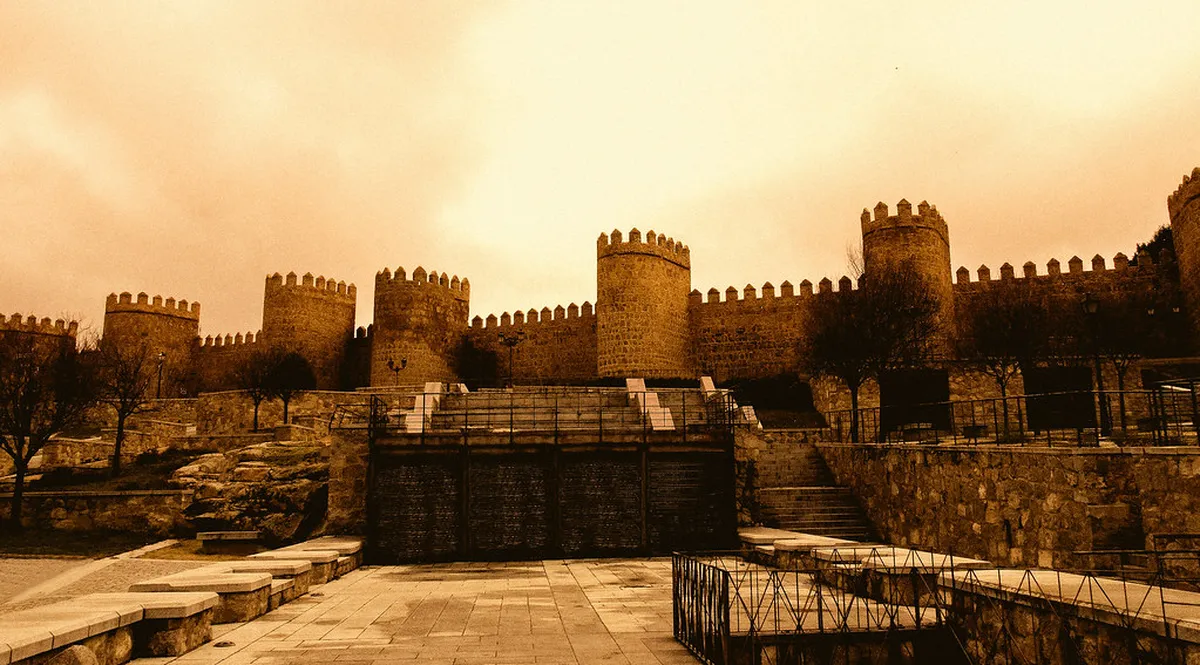
Table of Contents
Unveiling Roman Architecture in Cáceres, Spain
Cáceres, a UNESCO World Heritage city, boasts rich history. Its architectural layers tell many stories. Among these, the influence of Roman architecture in Cáceres remains profound. Roman foundations shaped the city's early development.
Ancient structures still stand integrated into the urban fabric. Discover the engineering prowess of a lost empire. This guide helps you explore these fascinating Roman remnants. It provides practical tips for your 2025 visit.
Explore the significant contributions of Rome. See how they continue to define Cáceres. Prepare for an unforgettable journey through time. Visiting Cáceres' architectural sites is an incredible experience.
The Enduring Legacy of Roman Cáceres
Cáceres originated as a Roman settlement. Its name, Norba Caesarina, reveals its imperial past. Romans established the city around 79-78 BC. It served as a vital point on the ancient Via de la Plata.
This Roman road connected Mérida to Astorga. The city was strategically important. It fostered trade and military movement. The Roman presence laid a strong foundation for future growth.
While many Roman buildings are gone, their influence persists. Later civilizations often built upon Roman structures. This created unique architectural blends. Moorish and Gothic styles frequently incorporated older Roman elements. You can see this layering throughout the Old Town.
Understanding this historical context enriches your visit. It helps you appreciate the city's complex evolution. Look closely for subtle Roman details. They are often hidden in plain sight.
Identifying Key Roman Architectural Elements
The most visible Roman structures in Cáceres are its walls. The city's original Roman wall sections still exist. They form the base for later medieval fortifications. You can trace these ancient segments easily.
Explore the robust stone construction of these walls. They showcase Roman engineering skills. Pay attention to the size and cutting of the stones. Roman construction often features large, well-fitted blocks. Learn more about Cáceres' city walls history before you go.
While fewer complete structures remain, look for Roman pillars. Some have been repurposed in later buildings. You might find segments of columns or capitals. These pieces offer clues to the grandeur of Norba Caesarina.
Archaeological digs occasionally uncover Roman mosaics or pottery. These artifacts reveal daily life details. They paint a picture of the Roman residents. Consider visiting the Museo de Cáceres for excavated finds.
Exploring the Roman Walls and Foundations in 2025
The ancient Roman walls are a highlight of Cáceres. Start your exploration near the Bujaco Tower. This medieval tower sits on Roman foundations. You can clearly see the distinct Roman stonework below.
Walk along the outer perimeter of the Old Town. Look for sections where the Roman wall is exposed. Some parts of the wall rise several meters. They offer a tangible connection to the past. Exploring these Roman walls provides a unique perspective.
Further Roman remnants include parts of the city gates. While the current Arco de la Estrella is Baroque, its foundations likely originated from Roman times. Imagine the Roman legions passing through these very points.
Consider a guided tour to spot hidden details. Local guides often point out specific Roman stonework. This helps you identify distinct building phases. A professional can enrich your understanding.
Beyond Walls: Other Roman Traces in Cáceres
🎯 Insider Tip: Discover the best Caceres experiences with Viator Tours!
Beyond the walls, Roman influence is subtle yet present. The street plan of the Old Town shows Roman planning. Many roads follow the original Roman grid system. This orderly layout is a lasting legacy.
Public buildings and palaces often sit on ancient sites. For instance, the Palacio de las Veletas holds a cistern. Some believe this cistern has Roman origins. It showcases ingenious ancient water management.
The Via de la Plata itself is a testament to Roman infrastructure. Though largely paved over, its route remains significant. Today, it forms part of a popular pilgrimage path. Pilgrims walk in the footsteps of ancient Romans.
Keep an eye out for any plaques or historical markers. These often detail archaeological findings. They indicate areas of Roman activity. Discover other Roman ruins to see within Cáceres. These clues reveal the city's ancient depths.
Planning Your Roman Architecture Tour in Cáceres
The best time to visit Cáceres is during spring or autumn. Temperatures are mild and pleasant. Fewer tourists are present compared to summer months. This makes for a more relaxed exploration.
Allocate at least half a day to explore the Roman remnants. Wear comfortable walking shoes. The cobbled streets of the Old Town can be uneven. Stay hydrated, especially in warmer seasons.
Consider purchasing a detailed Cáceres architecture map. This can highlight specific Roman sites. Most attractions are walkable within the walled city. Entry to view the walls themselves is free.
Opening hours for museums vary. Check schedules in advance for 2025. The Museo de Cáceres is generally open Tuesday to Sunday. It closes on Mondays and public holidays. A small entrance fee usually applies.
For a deeper dive, join a specialized architecture tour. Many local companies offer these. They provide expert insights into the city's layers. A Cáceres architecture walking tour often includes Roman history.
Frequently Asked Questions
🎯 Insider Tip: Discover the best Caceres experiences with Viator Tours!
What Roman ruins can you see in Cáceres?
You can primarily see the Roman city walls in Cáceres. These ancient fortifications form the base of the medieval walls. Look for distinct stonework near the Bujaco Tower. The city's original street plan also reflects Roman design. Explore the Roman walls in detail for yourself.
Was Cáceres an important Roman city?
Yes, Cáceres was a significant Roman settlement named Norba Caesarina. It was strategically located on the Via de la Plata. This vital road linked major Roman cities. Norba Caesarina played a key role in regional trade and defense. Its strong Roman walls attest to its importance.
How can I best explore Roman sites in Cáceres in 2025?
Plan to walk through the Old Town, focusing on the city walls. Start near the Bujaco Tower. A guided architecture tour can also enhance your visit. Check the Museo de Cáceres for relevant Roman artifacts. Comfortable shoes are essential for navigating the historic streets.
The Roman architecture in Cáceres, though subtle, is truly remarkable. It tells a story of enduring power and ingenuity. These ancient foundations shaped the city we see today. Your visit offers a tangible link to a glorious past.
Take time to appreciate these historical layers. Look beyond the obvious. Cáceres truly rewards the observant traveler. Plan your architectural adventure for 2025. Discover more about Cáceres' Old Town architecture.
Key Takeaways
- Focus on the Roman city walls, which are the most prominent remains.
- Look for Roman foundations integrated into later medieval structures.
- Consider a guided tour to uncover hidden Roman details and context.