
Discovering Mudéjar Style in Ávila's Architecture
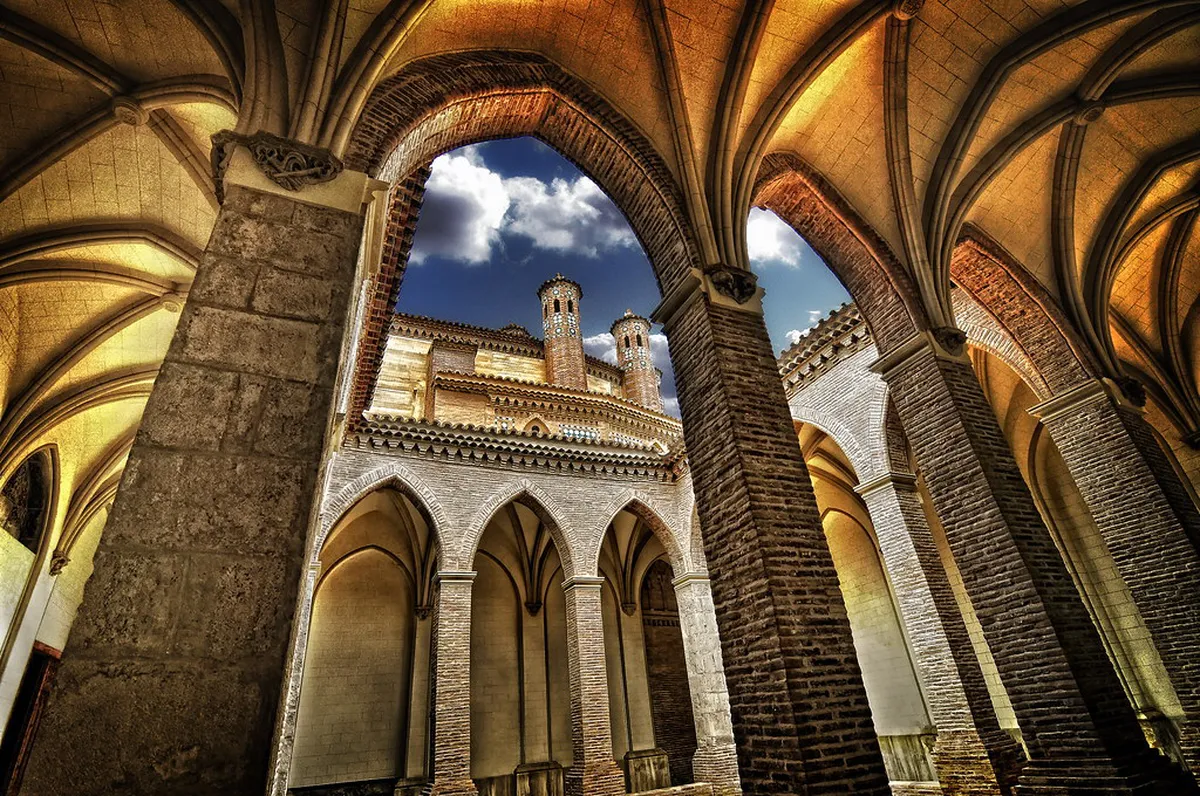
Table of Contents
Unveiling the Mudéjar Style in Ávila, Spain
Ávila, a UNESCO World Heritage city, boasts incredible architecture. Beyond its famous walls, a unique artistic blend awaits. This is the fascinating Mudéjar style in Ávila. It reflects a deep cultural history.
Mudéjar art mixes Christian and Islamic influences. This style emerged in medieval Spain. You will find its distinctive brickwork and intricate details. Prepare to explore this rich Ávila architecture guide for your 2025 trip. It offers a unique visual journey.
What Defines Mudéjar Architecture in Ávila?
The Mudéjar style is a captivating architectural fusion. It developed after the Christian Reconquista. Muslim craftsmen, known as Mudéjars, continued their traditions. They worked under Christian patronage.
This style uniquely blends Islamic art with Western forms. You will see rich ornamentation and geometric patterns. These elements adorn Christian buildings. It creates a truly distinctive aesthetic.
Key characteristics include intricate brickwork. Artisans used horseshoe arches frequently. Glazed tiles and stucco decorations are also common. These details add elegance to structures.
The Mudéjar style showcases a remarkable cultural exchange. It highlights a period of coexistence and artistic collaboration. This blend is especially visible in Ávila's historic structures. Learn more about Ávila's architectural details.
Key Examples of Mudéjar Style in Ávila
Ávila hosts several important Mudéjar examples. The Church of San Vicente is a prime site. Its apse features stunning brickwork. This shows early Mudéjar influence on Romanesque forms.
Another notable location is the Basilica de San Vicente. While largely Romanesque, it incorporates Mudéjar elements. Look for decorative brick arches inside. This blend makes it particularly interesting. Explore the Basilica de San Vicente further.
The Monastery of Santo Tomás also displays this style. Its cloisters and ceilings have Mudéjar touches. These details add warmth and texture. Visiting in 2025 offers a chance to see these up close.
Even some less prominent churches feature Mudéjar details. Keep an eye out for brick bell towers. Many Romanesque churches in Ávila include subtle Mudéjar elements. They reflect the prevalent construction methods of the era.
Where to Find Mudéjar Brickwork in Ávila
Mudéjar brickwork is a hallmark of the style. It offers a visually striking effect. Skilled craftsmen created complex patterns. These patterns used simple bricks.
You can find examples in the apses of churches. The Church of San Segundo is another excellent spot. Its exterior shows beautiful geometric designs. These patterns are created with brick. Consider a self-guided walk through Ávila.
Some residential buildings also feature Mudéjar brickwork. Wander through the old town's narrow streets. You might discover hidden courtyards or facades. These offer delightful surprises.
The interplay of brick, light, and shadow creates unique textures. This technique was both aesthetic and practical. It allowed for quick and efficient construction. Discover more about Mudéjar brickwork in Ávila on your next visit.
The Historical Influence of Mudéjar Art in Ávila
⭐ Recommendation: Don't miss out on amazing Madrid tours - book now!
Ávila's history is deeply intertwined with its architecture. The city's location was strategic. It served as a crossroads of cultures. This fostered the Mudéjar style's growth.
After the Reconquista, Muslim artisans remained. Their skills were highly valued. They contributed significantly to construction projects. These projects included both religious and secular buildings.
The presence of Mudéjar art showcases a period of cultural synthesis. It reflects a unique blend of traditions. This fusion helped shape Ávila's visual identity. It influenced the history of Ávila's construction profoundly.
This artistic dialogue enriched the city's heritage. It left an indelible mark on its monuments. Understanding this history enhances any visit. You truly appreciate the city's layers in 2025.
Experiencing Ávila's Mudéjar Treasures in 2025
Visiting Ávila to see Mudéjar architecture is rewarding. Many sites are easily accessible on foot. Start your exploration near the city center. Many churches are within walking distance.
Consider purchasing a combined ticket for several monuments. This can save you money. Always check opening hours and days beforehand. Some smaller chapels have limited access.
Guided architectural tours in Ávila are excellent. They offer deeper insights into the Mudéjar style. Local guides can highlight hidden details. They also explain the historical context vividly.
Plan at least half a day dedicated to this exploration. Allow time to soak in the details. Don't forget to look up at ceilings. Many Mudéjar elements are found in decorative roofs. This includes wooden coffered ceilings or alfarjes. The influence of Mudéjar art is everywhere.
Frequently Asked Questions
🌟 Local Expert Tip: Get the most out of your Madrid visit with guided tours!
What is the best way to find Mudéjar elements in Ávila?
Start by visiting the older churches within the city walls. Look for distinctive brickwork patterns. Pay attention to arches and decorative ceilings. A map of Ávila's architecture can guide you. Many Mudéjar elements are subtle yet significant.
Are there any specific Mudéjar palaces in Ávila to visit?
While Ávila is famous for its fortified palaces, pure Mudéjar palaces are rare. However, some Renaissance palaces incorporate Mudéjar elements. These can be seen in courtyards or decorative details. Explore Renaissance palaces in Ávila for blended styles. The Palacio de los Verdugo shows some interesting features.
How does Mudéjar style compare to Gothic architecture in Ávila?
Mudéjar and Gothic styles often coexisted and influenced each other. Gothic architecture focuses on soaring heights and stained glass. Mudéjar style emphasizes intricate brickwork and geometric patterns. You can see both in Ávila Cathedral. This cathedral features a mix of Gothic architecture and Romanesque elements.
The Mudéjar style offers a unique lens for viewing Ávila. It tells a story of cultural exchange and artistic innovation. This rich heritage enriches every corner of the city. Make sure to seek out these distinctive features.
Plan your visit to Ávila in 2025. Discover the beauty of its blended architectural styles. This experience will deepen your appreciation for Spain's history. For more, explore religious buildings in Ávila. Truly immerse yourself in this ancient city's charm.
Key Takeaways
- Mudéjar style blends Islamic and Christian architectural traditions.
- Look for intricate brickwork, horseshoe arches, and geometric patterns.
- Visit the Basilica de San Vicente and other churches for key examples.
- Plan a self-guided walk or join a tour to discover hidden details.
- Ávila's Mudéjar heritage reflects its rich multicultural history.