
Exploring Gothic Architecture in Ávila, Spain
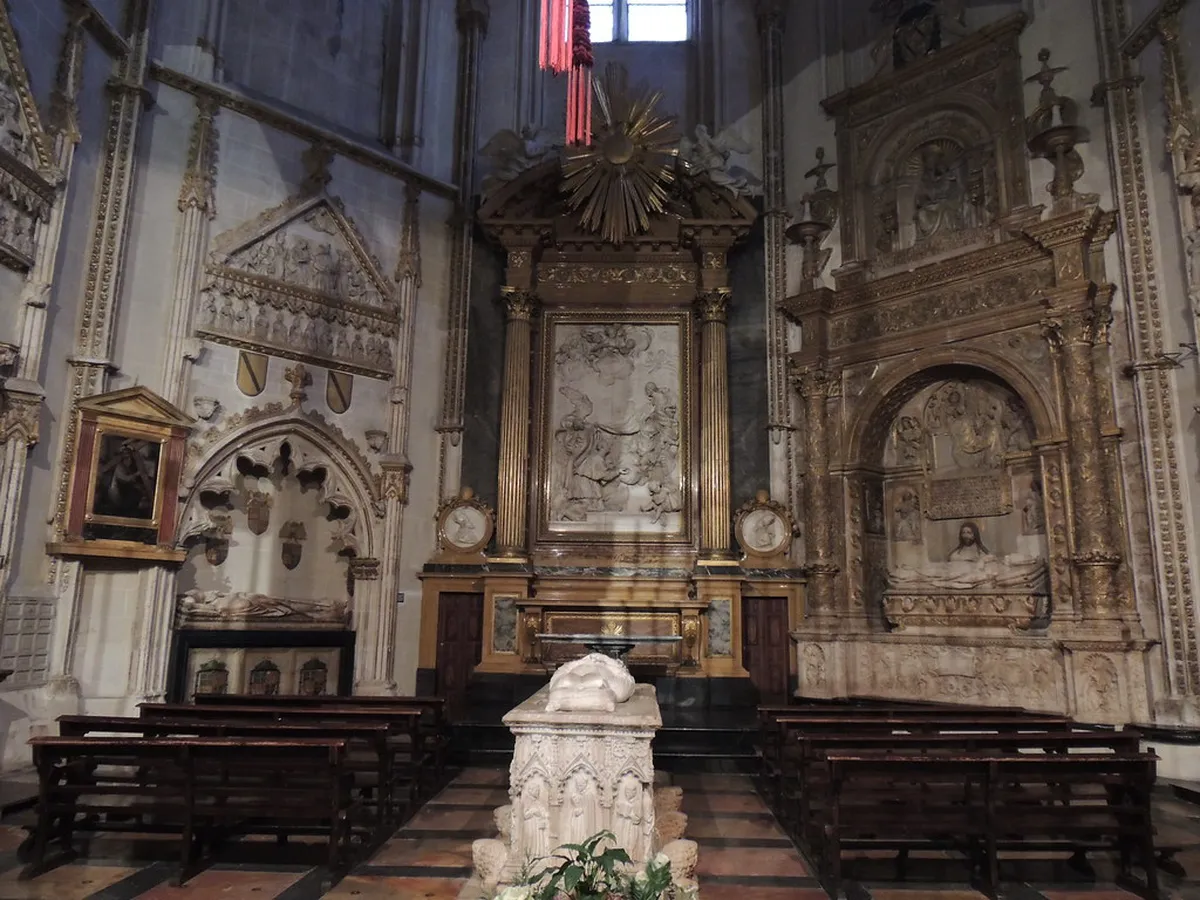
Table of Contents
Discovering Ávila's Stunning Gothic Architecture
Ávila, a UNESCO World Heritage city, boasts remarkable historical structures. Its formidable walls enclose a rich array of architectural styles. Among these, Gothic architecture in Ávila truly stands out. It offers a captivating glimpse into medieval Spain's grandeur. This guide will help you discover Ávila's most significant Gothic treasures. For a broader overview of the city's buildings, see our complete Ávila architecture guide.
Ávila Cathedral: A Fortified Gothic Masterpiece
Ávila Cathedral stands as Spain's first Gothic cathedral. Its construction began in the 12th century. The building served as both a church and a fortress. This dual purpose shaped its unique architectural style.
You can still see its defensive origins today. The east apse forms part of the city walls. This makes it a formidable defensive structure. It is one of the most striking features of Ávila Cathedral fortress.
Inside, the transition from Romanesque to Gothic is visible. Early sections feature sturdy, rounded arches. Later additions showcase pointed arches and ribbed vaults. These elements define classic Gothic design.
Visitors in 2025 will marvel at its towering interior. The main altar features impressive Plateresque detailing. Look for the stunning stained-glass windows too. These windows cast colorful light throughout the nave. Discover more about the Ávila Cathedral interior details.
Entry fees for adults are typically €8-€10. Reduced rates apply for seniors and students. Opening hours vary seasonally, so always check online before visiting. Allow 1.5-2 hours for a thorough visit. For more on historical places, explore religious buildings in Ávila.
Monasterio de Santo Tomás: Late Gothic Splendor
The Monasterio de Santo Tomás offers another prime example. This Dominican convent was completed in the late 15th century. It showcases the distinctive Isabelline Gothic style. Queen Isabella I and King Ferdinand II supported its construction.
Their son, Prince Don Juan, is entombed here. This makes it a significant royal site. The monastery features three beautiful cloisters. The Novitiate, Silence, and Kings' Cloisters each possess unique charm.
The Kings' Cloister stands out most impressively. Its intricate carvings and elaborate decoration are truly stunning. You will see strong Gothic arches and detailed stonework. This reflects the period's artistic high point. Discover more about the Monasterio de Santo Tomás.
The church's grand interior culminates in a stunning altarpiece. This piece depicts scenes from Saint Thomas Aquinas's life. Crafted by Pedro de Berruguete, it is a true masterpiece. The high altar features intricate Gothic details and vivid colors, making it one of the best examples of Gothic art in Ávila.
Prince Don Juan's elaborate marble tomb lies beneath the transept. It is a masterpiece of Renaissance sculpture by Domenico Fancelli. Entry costs around €5 for adults in 2025. Check their website for updated hours and guided tour options.
Allow at least two hours to explore the monastery fully. This includes visiting the cloisters and museum. This site is a truly essential stop for history lovers. It provides immense architectural and historical value.
Identifying Gothic Elements in Ávila's Churches
Understanding Gothic architecture involves recognizing specific elements. These features transformed medieval building design significantly. Ávila offers fantastic examples of these innovations. Keep an eye out for them on your architectural walk.
Look for characteristic pointed arches throughout structures. They replaced Romanesque round arches for greater height. Also, notice intricate ribbed vaults supporting ceilings. These structures allowed for thinner walls and larger window openings, helping you identify Gothic styles.
These larger openings often featured vibrant stained glass panels. Such elements brought colorful light into the interiors. They also depicted important religious stories. Look for these luminous displays inside Ávila Cathedral and Santo Tomás, which are prime Gothic art examples.
Gothic Art and Iconography: Stories in Stone
🌟 Local Expert Tip: Get the most out of your Madrid visit with guided tours!
Beyond structural elements, Gothic architecture in Ávila expresses itself through art. Look closely at the sculptures, carvings, and altarpieces. These artworks tell stories of faith and local history. They provide deep insights into medieval culture.
The Ávila Cathedral, for instance, has remarkable choir stalls. These feature intricate carvings depicting various figures. You will see saints, historical personages, and mythical creatures. They offer a window into medieval imagination, enhancing the Ávila Cathedral interior experience.
Monasterio de Santo Tomás also features significant Gothic iconography. The tomb of Prince Don Juan is a prime example. Its alabaster carvings show exquisite detail. These represent both Gothic and early Renaissance influences.
The cloister capitals at Santo Tomás also feature unique carvings. These depict allegorical scenes and symbolic figures. They tell stories through enduring stone. Pay attention to every intricate detail to appreciate the history of Ávila's construction.
Frequently Asked Questions
What is the best way to experience Gothic architecture in Ávila?
Start your exploration at the magnificent Ávila Cathedral. Then proceed to the Monasterio de Santo Tomás. Consider a self-guided walk through the city center to spot smaller Gothic details. An Ávila self-guided walk offers great flexibility.
Are there entrance fees for Gothic sites in Ávila?
Yes, most major Gothic sites charge an entrance fee. The Ávila Cathedral costs around €8-€10 for adults. The Monasterio de Santo Tomás is approximately €5. Always check official websites for current prices in 2025, or see our Ávila architecture guide for general information.
What is the difference between Romanesque and Gothic architecture in Ávila?
Romanesque architecture came first, featuring thick walls and round arches. Gothic architecture evolved with thinner walls and pointed arches. Gothic buildings are often taller and filled with more light. Ávila Cathedral showcases this transition, a stark contrast to earlier Romanesque churches in Ávila.
Ávila truly offers a captivating journey through medieval times. Its Gothic architecture stands as a testament to historical craftsmanship. From the fortified Cathedral to the serene Santo Tomás, beauty awaits. Plan your 2025 visit to explore these magnificent structures and consult our Ávila architecture guide for further exploration.
Key Takeaways
💡 Pro Tip: Book your Madrid adventures in advance through Viator for the best deals!
- Ávila Cathedral blends fortress defense with early Gothic style.
- Monasterio de Santo Tomás is a pure example of Isabelline Gothic.
- Look for pointed arches, ribbed vaults, stained glass, and detailed iconography.