
Discover Ávila's Romanesque Churches: A 2025 Guide
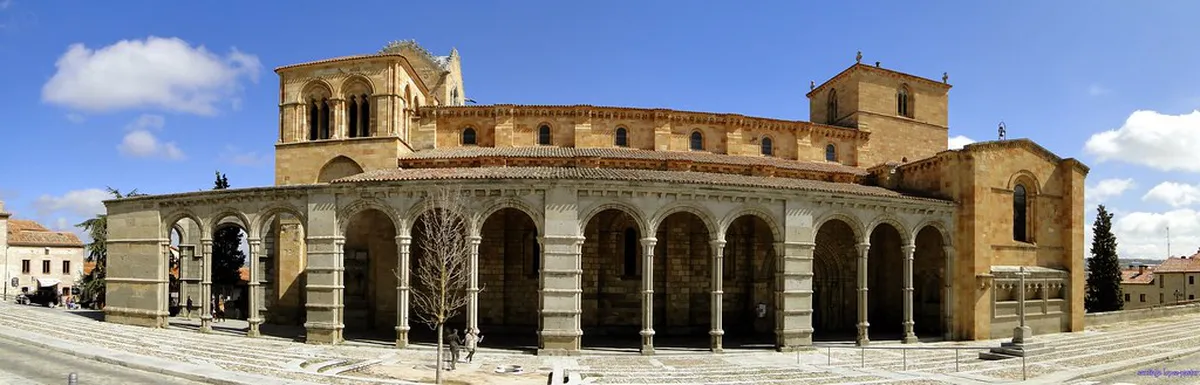
Table of Contents
Explore Ávila's Ancient Romanesque Churches and Heritage
Ávila, a UNESCO World Heritage city, boasts incredible history. Its famous medieval walls enclose a treasure trove of architecture. Among its gems are the stunning Romanesque churches. They offer a glimpse into early medieval Spain.
These ancient buildings showcase unique architectural styles. Visitors in 2025 can explore their intricate details. This guide will help you discover Ávila's Romanesque churches. Prepare for a journey through centuries of art and faith. Learn more about Ávila's overall architecture here.
Understanding Ávila's Romanesque Architectural Style
Romanesque architecture flourished in Europe from the 10th to 12th centuries. Ávila’s churches display its key features. Expect thick walls, sturdy pillars, and round arches. These structures were built for strength and permanence.
Local granite was the primary building material. This hard stone gives Ávila's buildings their distinct look. Stone masonry techniques were highly advanced. You can still see original carvings and decorative elements today. Delve deeper into Ávila's stone masonry heritage.
The style also emphasizes simplicity and religious symbolism. Many churches have a cruciform plan. Their interiors often feature limited natural light. This design creates a solemn and spiritual atmosphere. Understanding these elements enhances your visit.
Basilica de San Vicente: Ávila's Romanesque Masterpiece
The Basilica de San Vicente stands as a prime example. It is one of the most important Romanesque churches in Ávila. Construction began in the 11th century. The basilica features a striking narthex and impressive portals.
Inside, marvel at the Cenotaph of Saints Vicente, Sabina, and Cristeta. This 12th-century masterpiece tells their martyrdom story. Its detailed carvings are truly exceptional. The basilica's blend of styles showcases centuries of work.
Visiting hours typically run from 10:00 AM to 6:00 PM daily. Check for current 2025 schedules before your trip. Entry costs around 3-4 Euros. Learn more about the Basilica de San Vicente in detail. You can also explore other religious buildings in Ávila.
Iglesia de San Pedro: A Central City Landmark
The Iglesia de San Pedro is another magnificent Romanesque church. It sits prominently in Plaza de San Pedro. Its construction dates back to the 12th century. The church's main apse and bell tower are particularly notable.
San Pedro features a beautiful Romanesque portal. Intricate carvings adorn its archways. The church's design blends seamlessly with the surrounding square. It provides a peaceful retreat within the city. Take a moment to admire its ancient stones.
While primarily Romanesque, later Gothic additions are also visible. This shows the evolution of architectural styles. The church is typically open for visitors and services. It forms a key part of any Ávila self-guided walk. Find its location easily on an Ávila architecture map.
Exploring San Nicolás and San Andrés: Hidden Gems
💡 Pro Tip: Book your Madrid adventures in advance through Viator for the best deals!
Beyond the main landmarks, other Romanesque churches await. The Iglesia de San Nicolás offers quiet beauty. It dates to the 12th century. This church showcases simpler, yet elegant, Romanesque lines. Its humble charm is captivating.
The Ermita de San Andrés, though smaller, is equally historic. Its Romanesque apse is well-preserved. These lesser-known sites provide a more intimate experience. They are perfect for quiet reflection. Discover hidden Romanesque details at these locations.
Finding these churches allows for unique exploration. They often have shorter visiting hours. It is best to plan your itinerary in advance for 2025. These churches truly represent Ávila’s rich medieval past. They are essential stops for architecture enthusiasts.
Planning Your 2025 Visit to Ávila's Romanesque Churches
⭐ Recommendation: Don't miss out on amazing Madrid tours - book now!
The best time to visit Ávila is during spring or fall. The weather is pleasant, and crowds are thinner. Wear comfortable shoes for walking around the city. Many churches are within easy walking distance.
Consider purchasing an Ávila Card for discounts. It often includes entry to multiple attractions. Check official tourism websites for 2025 updates. Some churches might have specific photography rules. Always respect local customs when visiting.
Join a guided architectural tour for deeper insights. Experts can highlight specific details. You can find options for architectural tours in Ávila. These tours offer valuable historical context. They make your exploration even more rewarding. Enjoy capturing the timeless beauty of these structures with architectural photography tips.
Frequently Asked Questions
What defines Romanesque architecture in Ávila?
Ávila's Romanesque architecture features thick granite walls. It includes rounded arches and sturdy pillars. Simplicity and religious symbolism are also key. The style emphasizes strength and solemnity. It reflects the period's building practices.
Are Ávila's Romanesque churches easy to visit for tourists?
Yes, many are centrally located within the city walls. They are accessible on foot. Basilica de San Vicente and San Pedro are easy to find. Others, like San Nicolás, require a short walk. Check specific church hours for your 2025 visit. Consider a walking tour of Ávila's Romanesque churches for convenience.
Which Romanesque church is the oldest in Ávila?
The Basilica de San Vicente is generally considered the oldest. Its origins trace back to the 11th century. However, some smaller elements might be even older. Its construction spanned several centuries. This makes its exact 'oldest' status complex. Explore more about Ávila's construction history.
Ávila's Romanesque churches offer a profound historical experience. Their ancient stones tell stories of faith and craftsmanship. From grand basilicas to hidden chapels, each site is unique. Make sure to include these magnificent structures in your 2025 itinerary. Plan your visit to truly appreciate this architectural marvel. Discover more about Architect Tourist guides.
Key Takeaways
- Ávila's Romanesque churches are essential historical sites.
- Basilica de San Vicente and Iglesia de San Pedro are must-see landmarks.
- Plan your 2025 visit during spring or fall for pleasant weather.
- Look for intricate stone masonry and symbolic details.
- Consider guided tours for deeper understanding.