
Discover Ávila's Renaissance Palaces: A 2025 Guide
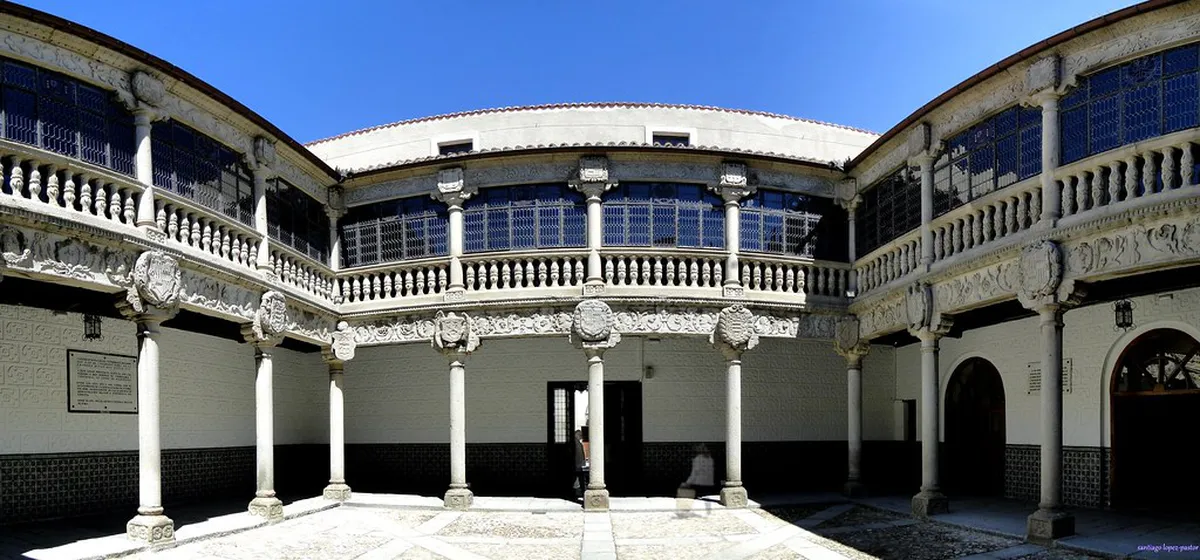
Table of Contents
Explore Ávila's Magnificent Renaissance Palaces
Ávila is famous for its magnificent medieval walls. However, inside these ancient defenses, a different beauty awaits. The city hosts stunning Renaissance palaces. These often-overlooked gems tell a rich history. They showcase Ávila's prosperous past in elegant stone. Many were built by noble families during the 15th and 16th centuries. Explore Ávila's diverse architecture on your next trip. This guide helps you discover these incredible structures in 2025.
These palaces reflect a fascinating architectural transition. They moved from Gothic robustness to Renaissance elegance. Each building offers unique details and captivating stories. They provide a deeper understanding of Ávila's heritage. Prepare to be enchanted by their intricate designs. You will uncover hidden courtyards and grand facades. Let's delve into the world of Ávila's remarkable Renaissance palaces.
The Golden Age of Ávila: Renaissance Styles
Ávila experienced a golden age during the Renaissance period. Wealthy noble families commissioned impressive homes. This era followed the Christian Reconquest of Spain. The city became a center for religious and political power. New architectural styles flourished within its walls.
Builders moved away from Gothic traditions. They embraced classical Roman and Greek influences. Symmetry, proportion, and decorative elements became key. Look for classical columns and detailed cornices. These features define the elegant Renaissance aesthetic. You can identify these Renaissance features easily.
Many Ávila palaces also blend styles. They often incorporate medieval defensive elements. Strong towers and robust walls remain. This unique fusion creates distinctive fortified palaces. It reflects the era's lingering need for security. Discover more about Ávila's secular architecture for deeper insights.
Palacio de los Velada: A Noble Renaissance Residence
The Palacio de los Velada stands prominently in Ávila. It sits right in front of the Cathedral. This grand palace dates back to the 16th century. It belonged to the noble Velada family. Today, it operates as a luxurious hotel. Guests can experience history firsthand.
Its stunning Renaissance patio is a highlight. Look for the elegant arcades and classic columns. The facade shows intricate stone carvings. It exemplifies the period's sophisticated taste. Consider exploring architectural details here. The palace also offers beautiful views of the Cathedral.
Visiting Information: While a hotel, visitors can often access public areas. Enjoy a coffee in the courtyard cafe. Guided tours of its historical parts might be available. Check current opening hours and access policies for 2025. It is located at Plaza de la Catedral 10.
Staying here allows immersion in history. Even a brief visit offers a glimpse into noble life. It's one of the best ways of visiting historic houses in the city. The palace showcases remarkable preservation efforts.
Palacio de los Superunda: Art and History
The Palacio de los Superunda is another beautiful example. It was the ancestral home of the Marquises of Benavites. This palace dates from the 16th century. It now houses an art collection and a museum. The interior courtyard is especially noteworthy.
The palace is known for its beautiful porticoed patio. It features elegant columns and detailed archways. Inside, visitors can see period furnishings. There are also important works of art. These include pieces by painter Joaquín Sorolla. This makes it a cultural highlight.
Visiting Information: The museum is usually open Tuesday to Saturday. Hours are typically 10:00 AM to 2:00 PM and 4:30 PM to 8:30 PM. Sundays it's open from 10:00 AM to 2:00 PM. Admission fees apply, often around €3-€5. Confirm specific opening times and costs for your 2025 visit. It is located near the Plaza de la Catedral.
This palace offers a unique blend of history and art. It provides insight into the private lives of Ávila's nobility. It is a must-see for art and history enthusiasts. Don't miss the chance to explore its grand rooms.
Palacio de los Dávila: A Fortified Renaissance Palace
🌟 Local Expert Tip: Get the most out of your Madrid visit with guided tours!
The Palacio de los Dávila is truly iconic. It stands near the city walls. This palace uniquely combines Renaissance style with medieval fortification. Its impressive corner tower makes it stand out. This tower served defensive purposes historically.
The palace boasts a striking Renaissance facade. Its large main entrance is decorated with the family's coat of arms. The interior features a charming patio. This patio showcases elegant arcades and a peaceful atmosphere. It is a splendid example of residential architecture evolving over time.
The Dávila family was one of Ávila's most powerful. Their palace reflects their status and influence. It is a testament to their enduring legacy. Take time to admire the intricate stone craftsmanship. Consider how such palaces adapted to their surroundings. Learn more about Ávila's fortified towers and their importance.
While largely a private residence, its exterior is captivating. You can admire its grandeur from the street. It provides excellent photographic opportunities. Its imposing structure reminds visitors of past eras. The palace is a crucial part of Ávila's rich architectural tapestry.
More Remarkable Renaissance Palaces to Explore
Beyond the most famous, Ávila holds more treasures. The Palacio de Polentinos is another splendid example. It now houses a military academy. Its austere facade hides a stunning interior patio. This patio is a classic example of pure Renaissance design. It offers a glimpse into military history.
The Palacio del Rey Niño, though smaller, is charming. Its name translates to 'Palace of the Child King.' It has a beautiful plateresque facade. This style is unique to Spanish Renaissance architecture. It showcases intricate decorative carvings. Seek out these smaller palaces on your walk.
Don't miss the Palacio de Verdugos. This palace also features a strong defensive tower. It has a beautiful Mudejar-style courtyard. This demonstrates a blend of Christian and Moorish influences. Such diversity makes Ávila truly special. Each palace tells a different part of the city's construction history.
Many Renaissance palaces in Ávila are privately owned. However, their exteriors offer immense beauty. Use a detailed map to find them all. Walking through the city reveals these hidden architectural gems. They enrich the experience beyond the famous walls.
Frequently Asked Questions
What defines a Renaissance palace in Ávila architecturally?
Ávila's Renaissance palaces often feature classical elements. Look for symmetrical facades and elegant patios. They use columns, arches, and intricate carvings. You might see elements like ornate doorways. Many also retain medieval defensive towers. This creates a unique blend of styles.
These palaces show a departure from earlier Gothic forms. They embrace a more refined and classical aesthetic. Many reflect the wealth of noble families. Discover specific Renaissance features to fully appreciate them.
Can I stay in any of Ávila's Renaissance palaces?
Yes, at least one notable Renaissance palace is a hotel. The Palacio de los Velada offers luxurious accommodations. Staying there provides a unique historical experience. It allows you to immerse yourself in the past. Other palaces might offer similar options. Always check current listings for 2025.
Some palaces also host events or have public areas. You may visit these without staying overnight. Explore options for architectural tours for insider access.
Are there guided tours focusing on Ávila's Renaissance palaces?
Yes, specific tours often highlight Ávila's secular architecture. These tours typically include the Renaissance palaces. A knowledgeable guide can provide historical context. They will point out key architectural details. This enhances your understanding of each building.
Check with local tourist offices for 2025 tour schedules. Many local companies offer specialized palace-focused tours. These tours are excellent for history and architecture enthusiasts.
Ávila's Renaissance palaces are remarkable historical treasures. They offer a captivating look into the city's affluent past. Each palace tells its own story of nobility and artistry. Plan your 2025 visit to explore these grand structures. They represent a significant chapter in Spanish architecture.
Beyond the famous walls, these palaces await your discovery. Take time to admire their beauty and intricate details. They offer a unique perspective on Ávila's rich heritage. Start planning your journey to explore Ávila's architectural wonders today.
Key Takeaways
⭐ Recommendation: Don't miss out on amazing Madrid tours - book now!
- Ávila's Renaissance palaces combine elegant design with defensive features.
- Many palaces are accessible as hotels, museums, or visible from the street.
- Plan your 2025 visit to include the Palacio de los Velada and Palacio de los Superunda.