
Mudéjar Art's Enduring Influence on Ávila's Architecture
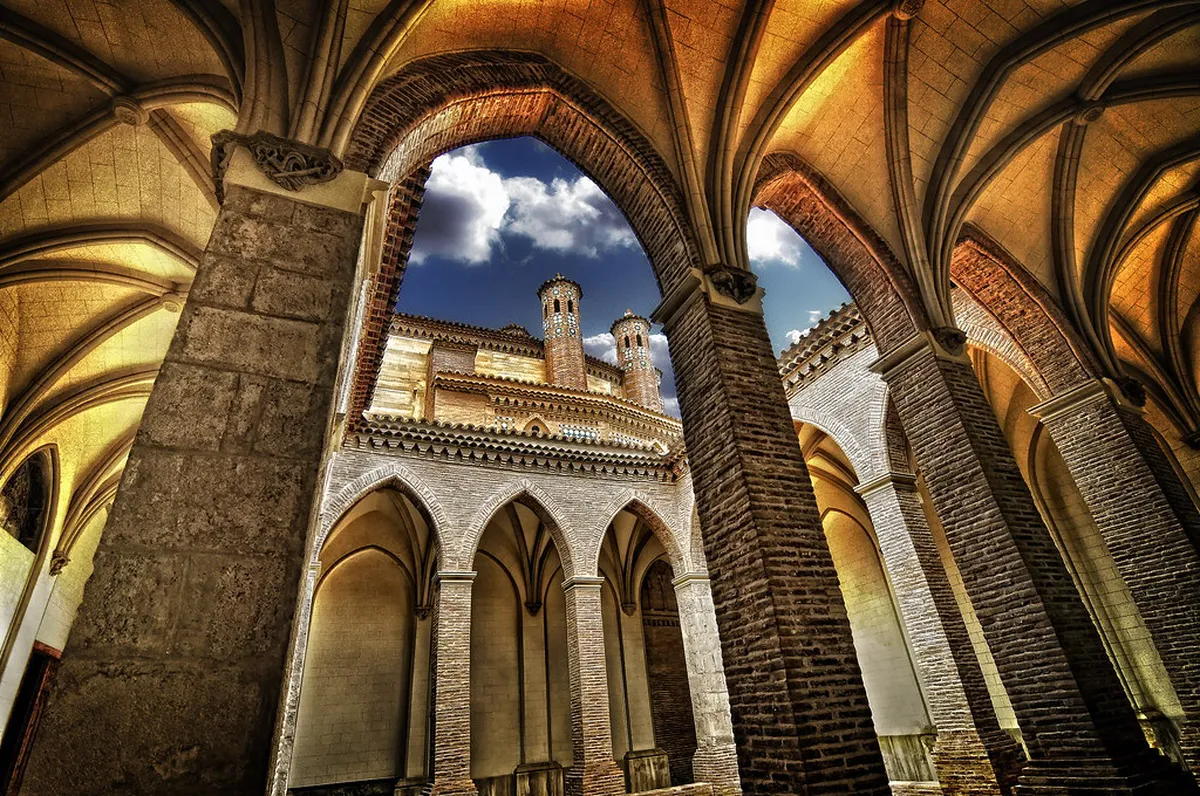
Table of Contents
Uncovering Mudéjar Influence in Ávila's Unique Architecture
Ávila, a UNESCO World Heritage city, boasts incredible historical architecture. Its medieval walls and churches define its skyline. Yet, a subtle but profound influence shaped many structures. This is the unique Mudéjar style in Ávila.
Mudéjar art reflects a fascinating cultural fusion in Spain. It blends Islamic art techniques with Christian design principles. This article explores the significant influence of Mudéjar art on Ávila's architecture. Discover how these elements enrich the city’s timeless beauty, especially in 2025. Learn to spot these amazing details during your Ávila self-guided walk.
Understanding Mudéjar Art in Ávila's History
Mudéjar art emerged from a unique historical context. It developed in Christian kingdoms after the Reconquista. Muslim craftsmen, or Mudéjars, continued their traditions. They applied their skills to new Christian buildings.
This style represents a remarkable cultural exchange. It incorporated Moorish artistic techniques into European forms. Ávila, like other Castilian cities, embraced this distinctive aesthetic. This resulted in buildings with a truly mixed heritage.
The Mudéjar influence is seen in materials and decorative elements. Brickwork often replaced stone in certain sections. Intricate plasterwork and geometric patterns also became common. These additions provided a contrasting texture and visual richness to structures. Explore more about the history of Ávila's construction to understand its evolution.
Distinctive Mudéjar Elements in Ávila's Buildings
Several key features identify Mudéjar art in Ávila's architecture. Foremost is the extensive use of brick. This material was more economical and versatile than stone. Builders shaped bricks into complex decorative patterns.
Look for striking horseshoe arches, a hallmark of Islamic design. These arches often appear in doorways and windows. They create elegant and distinctive openings. Geometric patterns, another Islamic legacy, adorn many surfaces.
These patterns can be found in tiling, carved wood, or plasterwork. You might also spot
Where to Discover Mudéjar Treasures in Ávila in 2025
Ávila offers many opportunities to observe Mudéjar influence firsthand. The Romanesque churches in Ávila often show these mixed elements. Look carefully at the apses and towers of these ancient religious buildings. They combine sturdy Romanesque forms with delicate Mudéjar details.
A prime example is the Basilica de San Vicente. Its eastern apse showcases beautiful brick patterns. You can see the blending of styles clearly here. Admission is typically around 3-4 euros, and it is open daily until 7 PM in 2025. Another excellent site for this unique architectural detail is the Church of San Pedro.
Even parts of the Ávila Cathedral fortress show subtle influences. While primarily Gothic, some earlier sections may hint at Mudéjar craftsmanship. For a comprehensive overview, consult an Ávila architecture map to guide your exploration. You will find these fascinating elements across the city.
Frequently Asked Questions
🌟 Local Expert Tip: Get the most out of your Madrid visit with guided tours!
What defines Mudéjar style in Ávila's architecture?
Mudéjar style in Ávila is a fusion of Christian and Islamic artistic traditions. It features extensive brickwork, especially in decorative patterns. You will also see horseshoe arches and geometric motifs. These elements are often integrated into Romanesque or Gothic structures. It makes for a truly unique visual experience.
Which specific buildings in Ávila best showcase Mudéjar influence?
The Basilica de San Vicente is an excellent starting point. Its apse highlights detailed Mudéjar brickwork. Churches like San Pedro and San Andrés also feature notable elements. Many religious buildings in Ávila demonstrate this fusion. Look for distinct brick patterns and decorative techniques.
How can visitors identify Mudéjar elements during their trip?
Focus on the materials and decorative patterns. Look for intricate brick patterns on towers and apses. Observe any horseshoe arches in windows or doorways. These are strong indicators of Mudéjar craftsmanship. An Ávila architecture guide can provide further insights. Pay attention to the geometric designs and the interplay of textures. Many of these elements are visible from the street.
The influence of Mudéjar art on Ávila's architecture remains truly significant. It created a distinct visual language within the city. This blend of cultures offers a rich tapestry for visitors to explore. Understanding this heritage deepens your appreciation.
As you wander Ávila in 2025, seek out these historical details. They tell stories of craftsmanship and cultural exchange. Discover the enduring legacy of Mudéjar style in Ávila. It continues to shape the city's unique identity.
Key Takeaways
- Mudéjar art represents a unique fusion of Islamic and Christian styles in Ávila.
- Look for distinctive brickwork, horseshoe arches, and geometric patterns in historic buildings.
- Basilica de San Vicente and other Romanesque churches are key sites for observing this influence.