
La Lonja de la Seda: Architectural Analysis in Valencia
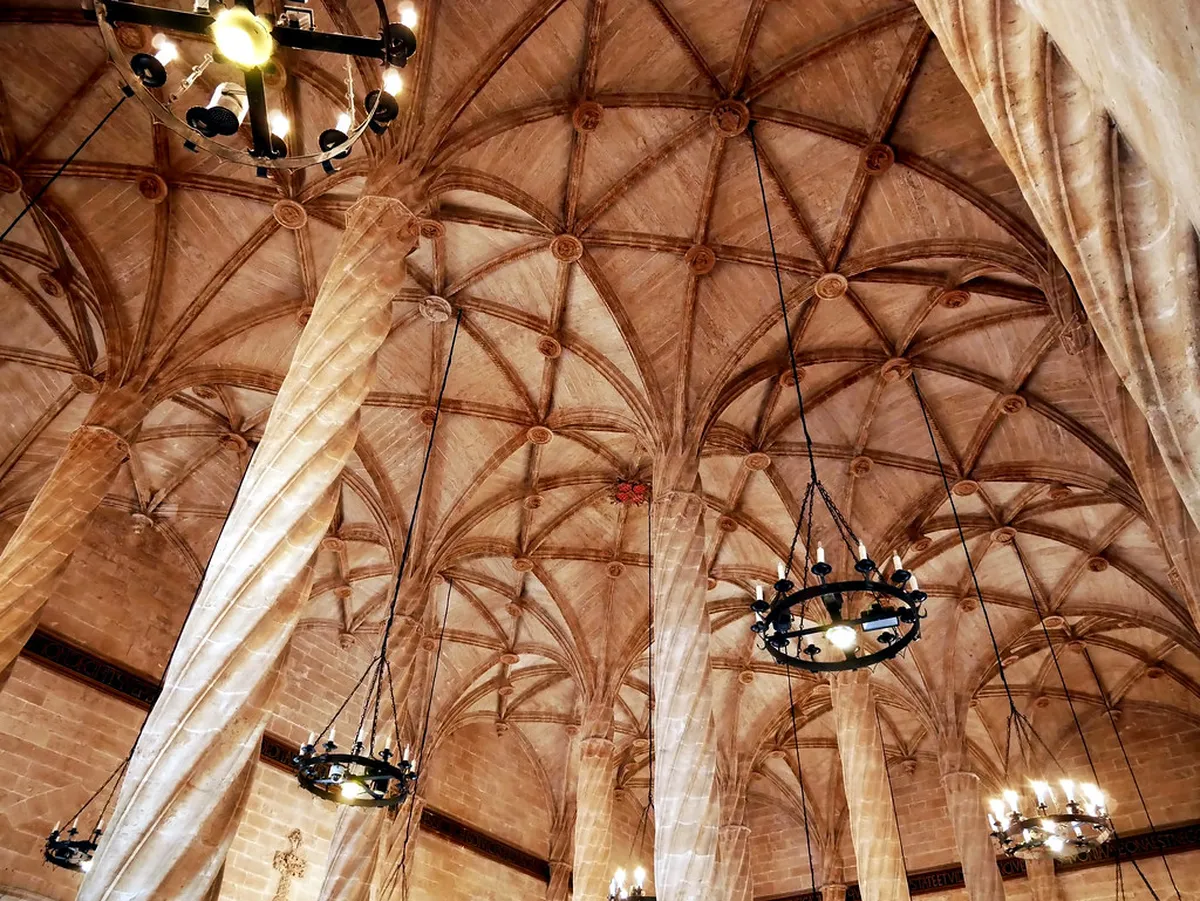
Table of Contents
Unpacking La Lonja de la Seda's Architectural Genius in 2025
La Lonja de la Seda stands as a UNESCO World Heritage site. This stunning building represents Valencia's Golden Age. It reflects the city's powerful mercantile past. A true architectural gem, La Lonja showcases exquisite Valencian Gothic design. Understanding its structure offers deep cultural insights. For more great buildings, see our Valencia architecture guide.
This detailed La Lonja de la Seda architectural analysis explores its unique features. We will examine its design, symbolism, and historical context. Prepare to uncover the genius behind this iconic Spanish landmark. Discover its lasting legacy in 2025.
The Masterpiece of Valencian Gothic Style
La Lonja de la Seda exemplifies the late Valencian Gothic style. It fuses functional design with artistic grandeur. Construction began in 1483 under Pere Compte. This era marked a peak in Valencia's economic power. The building served as a vibrant silk exchange.
Its design highlights Catalonia and Valencia's unique Gothic traits. These include rich ornamentation and innovative structural solutions. The building also incorporates elements of Renaissance style. Such details make it a transitional masterpiece. Explore more about Valencian Gothic architecture here.
Pere Compte's genius is evident throughout the complex. He integrated various building functions seamlessly. The result is a harmonious and impressive structure. It stands as a testament to medieval craftsmanship. Compare its style with the Valencia Cathedral architecture for more context.
Analyzing the Design of the Contract Hall
The Contract Hall, or Sala de Contratación, is La Lonja's heart. Its magnificent design captivates every visitor. Eighteen soaring helicoidal columns support its vaulted ceiling. These columns resemble palm trees reaching towards the heavens. This creates an awe-inspiring sense of space.
The intricate vaulting rises to nearly 18 meters (59 feet). It features detailed ribs and bosses. Natural light streams through large windows. This illuminates the vast, open floor plan. Merchants once conducted their silk trades in this grand space. The design facilitated bustling commercial activity.
The structural elegance is truly remarkable. Pere Compte used advanced stereotomy techniques. These allowed for the vast, unsupported spans. Such engineering was groundbreaking for its time. Learn about the symbolism in La Lonja de la Seda for deeper meaning. This hall remains a prime spot for architecture photography.
The Intricate Details: Gargoyles and Sculptures
La Lonja's exterior boasts an incredible array of sculptural details. Over 200 grotesque gargoyles adorn the facades. These figures depict humans, animals, and mythical creatures. They often convey humorous or satirical messages. Such carvings were common in medieval architecture.
The main entrance features impressive stone carvings. Look closely at the allegorical figures and coats of arms. These details highlight Valencia's commercial power. They also reflect the moral values of the period. Every corner tells a story.
Intricate window tracery and delicate doorways enhance the building. The craftsmanship in stone is truly exceptional. It demonstrates the skill of 15th-century artisans. These elements add layers of depth to the architectural analysis. Discover unique doorways in Valencia for more examples.
Don't miss the beautiful inscription along the hall's frieze. It praises honesty and civic duty in business. This inscription serves as a moral guide. It reinforces the building's purpose and values. The attention to detail is truly inspiring.
The Consolat de Mar and Orange Tree Courtyard
🎯 Insider Tip: Discover the best Valencia experiences with Viator Tours!
Beyond the Contract Hall lies the Consolat de Mar. This 'Consulate of the Sea' was a maritime trade tribunal. It features a distinct architectural style. The Consolat de Mar has a more sober and administrative feel. This contrasts with the main hall's grandeur.
Its ceiling is particularly noteworthy. It features a stunning painted wooden coffered ceiling. This ornate work adds warmth and richness to the space. It depicts various maritime themes and symbols. These symbolize Valencia's naval dominance.
Connecting these two main buildings is the tranquil Orange Tree Courtyard. This beautiful open space offers a peaceful oasis. It provides a stark contrast to the busy market life. The courtyard features lovely arcades and citrus trees. Its design offers respite and beauty.
The courtyard emphasizes the complex's multifaceted nature. It combines commerce, law, and natural beauty. This careful integration makes La Lonja unique. It is a must-see for any architecture student in Valencia. For an overview, read our article on La Lonja de la Seda.
Frequently Asked Questions
What are the key architectural elements of La Lonja de la Seda?
La Lonja de la Seda features several key elements. It has soaring twisted columns in the Contract Hall. There are intricate stellar vaults across its ceilings. The building also boasts numerous grotesque gargoyles. Its elegant doorways and window tracery are notable. These elements define its Valencian Gothic style.
Who was the main architect responsible for La Lonja de la Seda?
The principal architect was Pere Compte. He began construction in 1483. Compte was a master builder of his time. His innovative techniques shaped this masterpiece. He left a significant legacy in Valencian architecture.
How does La Lonja de la Seda represent Valencian Gothic style?
La Lonja exemplifies Valencian Gothic through several features. It uses strong verticality and intricate stone carvings. The building's functional design blends with rich ornamentation. Its use of light and expansive spaces is also typical. This style emerged during Valencia's prosperous Golden Age. Learn more about Valencian Gothic architecture here. The symbolism found within La Lonja further enhances this representation.
La Lonja de la Seda offers a profound architectural experience. Its blend of beauty, function, and symbolism is extraordinary. This building stands as a powerful reminder of Valencia's past. It showcases the ingenuity of medieval architects. Visiting provides an unparalleled insight into Gothic design. Plan your architectural exploration with a Valencia architecture walking tour.
Key Takeaways
- La Lonja is a prime example of late Valencian Gothic architecture.
- The Contract Hall's twisted columns are a structural and artistic marvel.
- Intricate gargoyles and sculptures offer rich symbolic narratives.