
Discovering Valencia Cathedral Architecture Guide
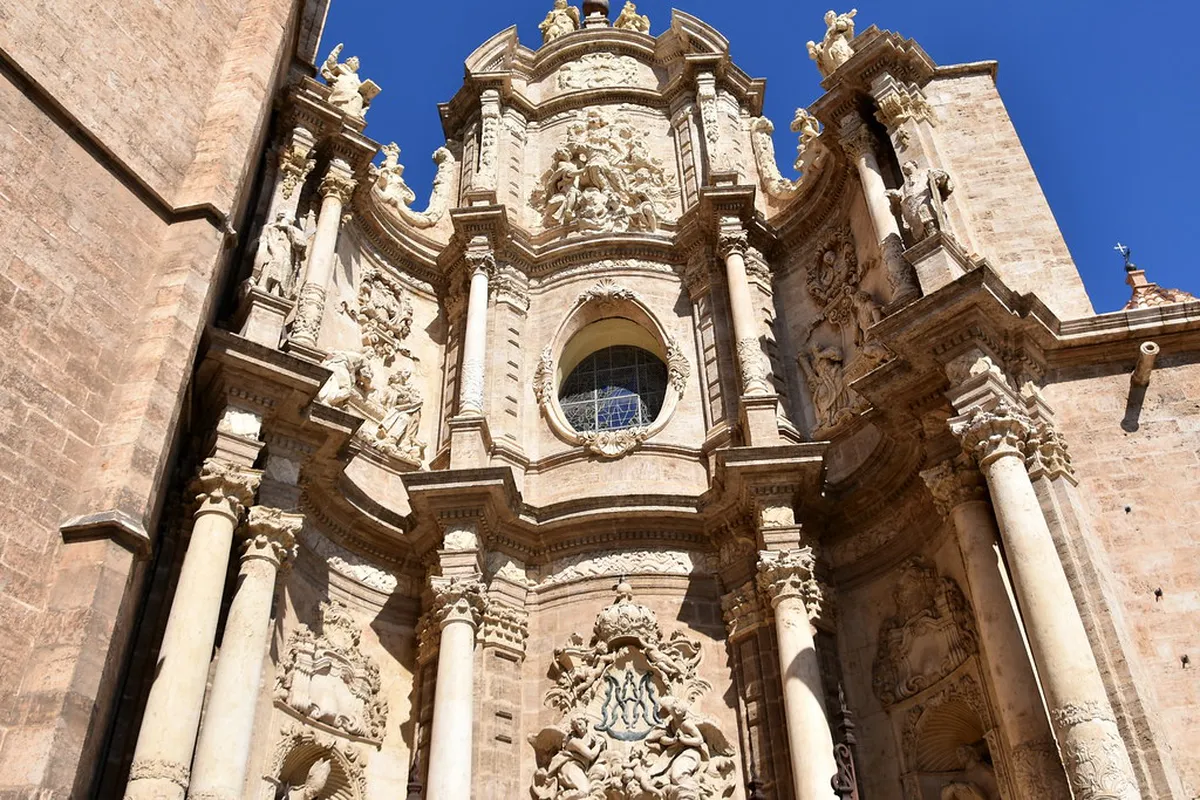
Table of Contents
Valencia Cathedral: A Tapestry of Architectural Styles
Valencia Cathedral stands proudly in the city's historic heart. Its Valencia Cathedral architecture tells centuries of rich history. This iconic landmark showcases diverse architectural styles. It is a must-visit for travelers. The cathedral offers a captivating journey through time.
Construction began in the 13th century. Subsequent eras added distinct design elements. Visitors flock to admire its unique beauty. Discover its fascinating blend of styles. It's essential for any Valencia architecture itinerary.
A Tapestry of Styles: Architectural Overview
Valencia Cathedral's design evolved significantly. Romanesque, Gothic, and Baroque styles converge here. Each period contributed distinct architectural elements. This creates a visually stunning experience. The cathedral serves as a living history book.
Its foundation occupies an ancient site. A former mosque stood here previously. Before that, a Roman temple existed. Construction officially started in 1262. Later centuries brought many substantial additions.
The main structure primarily reflects Valencian Gothic. Renaissance and Neoclassical touches also appear. These layers illustrate Valencia's rich past. You can trace its development through the building itself. This makes the architectural history of Valencia Cathedral truly compelling. Many guidebooks highlight these distinct phases.
Exploring the cathedral reveals these transitions. Notice the changes in materials and details. This fusion of eras creates a unique aesthetic. It stands as a testament to historical continuity.
Gothic Grandeur: The Main Body and Nave
The cathedral's interior is predominantly Gothic. Tall, slender columns support the nave. Intricate ribbed vaults soar high above. This design creates an impressive sense of verticality. Light streams through magnificent stained-glass windows.
Gothic elements are especially striking. The transept and numerous chapels show this style. Observe the detailed stone carvings. They depict various religious narratives. This architectural period emphasized height and illumination. You can find beautiful examples throughout.
Many side chapels also feature Gothic design. The Valencian Gothic architecture presents unique regional characteristics. Pay close attention to these smaller spaces. They offer moments for quiet reflection. Each chapel tells its own story. Consider a Valencia architecture walking tour to discover more.
The sheer scale of the nave is breathtaking. It inspires awe in every visitor. The original Gothic builders aimed for this effect. Their craftsmanship remains impressive today. Truly a grand testament to medieval engineering.
Baroque Brilliance: Entrances and Chapels
The main façade, or "Portal of the Iron," is a Baroque masterpiece. It was added during the 18th century. Ornate columns and dynamic sculptures adorn this entrance. Its elaborate design contrasts sharply with the earlier Gothic work. This portal faces the Plaza de la Reina.
Another significant Baroque addition is the "Portal del Palau" (Palace Portal). While its foundation is Romanesque, its upper sections were later modified. Look for the ornate carving and detailing here. It showcases the opulence of the Baroque era. This blend is typical for the cathedral.
Inside, several chapels also boast rich Baroque decoration. The high altar underwent Baroque renovations. Notice the opulent gilded details. Dramatic artistry covers many surfaces. Baroque buildings in Valencia frequently feature such elaborate designs. They reflect a period of great artistic expression.
The Capilla del Santo Cáliz (Chapel of the Holy Chalice) is unique. Its entrance displays Baroque elements. However, the chapel's interior is primarily Gothic. This chapel famously houses the Holy Chalice. Its design emphasizes solemnity and profound significance. This specific detail highlights the blend of styles. See how Gothic vs Baroque elements in the Cathedral coexist.
Romanesque Roots and the Micalet Bell Tower
⭐ Recommendation: Don't miss out on amazing Valencia tours - book now!
The oldest architectural parts are Romanesque. The "Portal del Palau" represents the earliest entrance. It features characteristic simple, rounded arches. These structures date back to the 13th century. This portal offers a direct glimpse into early construction periods.
The iconic Micalet Bell Tower stands prominently. Its primary design is Gothic. Construction commenced in 1381. It reached completion in 1425. Climbing its 207 spiral steps rewards visitors. Expect breathtaking panoramic city views from the top. The climb is well worth the effort.
The Micalet Tower is distinct yet connected. Its octagonal shape is instantly recognizable. A small fee, typically 2 euros, grants access to the tower. Always check current opening times for your 2025 visit. The tower occasionally closes during mass or special events. Nearby, the Torres de Serranos details also provide historical insights and views.
The bell tower serves as a crucial city landmark. Locals often refer to it as "El Micalet." Its chimes have marked time for centuries. It remains an enduring symbol of Valencia. Don't miss this opportunity for unique perspectives.
Inside the Cathedral: Art, History, and the Holy Chalice
⭐ Recommendation: Don't miss out on amazing Valencia tours - book now!
Beyond its diverse architecture, the cathedral safeguards many treasures. Numerous artworks adorn its ancient walls. Notable frescoes by Francisco Goya can be found here. Explore the impressive collection of sculptures. There are also many significant paintings.
The Chapel of the Holy Chalice is a major highlight. Many believe it houses the true Holy Grail. This revered artifact attracts pilgrims globally. The chapel itself is an artistic masterpiece. It is a powerful place of worship. You can feel its profound spiritual atmosphere.
The cathedral also functions partly as a museum. Discover ancient relics and liturgical vestments. A modest entry fee typically applies for visitors. General admission is around 8 euros for adults in 2025. This usually includes a helpful audio guide. Check the official website for precise details. Plan enough time to fully explore the interior. You might discover some hidden architectural gems in Valencia during your visit.
This historical site offers more than just stone. It provides a deep dive into faith and culture. The blend of art and architecture is truly stunning. Prepare to be amazed by its rich tapestry. Your visit will be an unforgettable experience.
Frequently Asked Questions
🎯 Insider Tip: Discover the best Valencia experiences with Viator Tours!
What architectural styles are visible in Valencia Cathedral?
Valencia Cathedral uniquely displays Romanesque, Gothic, and Baroque styles. You can also find subtle Renaissance and Neoclassical touches. This unique blend makes it historically significant. It showcases centuries of evolving architectural trends.
How much does it cost to enter Valencia Cathedral in 2025?
General admission to Valencia Cathedral is typically 8 euros for adults. This fee usually includes an informative audio guide for your tour. Climbing the Micalet Tower costs an additional 2 euros. Always check the official website for any updated prices or special hours.
Can I climb the Micalet Tower for city views?
Yes, you can absolutely climb the Micalet Tower. It offers truly stunning panoramic views of Valencia. The tower features 207 steps to reach the very top. There is a small additional fee, usually 2 euros. The tower may close temporarily during mass times.
Where is the Holy Chalice located within the Cathedral?
The Holy Chalice is housed in its dedicated chapel. This sacred space is called the Capilla del Santo Cáliz. You will find it on the right side of the main altar. This chapel is a profoundly significant pilgrimage site. Consider a self-guided architecture tour to easily locate it. Discover more about Roman architecture in Valencia nearby.
Valencia Cathedral is truly an architectural marvel. Its seamless blend of styles offers a rich, immersive experience. From its ancient Romanesque foundations to its grand Baroque facades, it captivates every visitor. Plan your 2025 visit to this historic Spanish treasure soon. Be sure to capture its immense beauty through photography. It is a photographer's dream.
Immerse yourself in its profound history and spiritual significance. The cathedral stands as a cornerstone of Valencia's heritage. Don't miss this incredible fusion of architectural eras. It tells a compelling story of faith and artistic endeavor. Visit Architect Tourist for more travel guides.
Key Takeaways
- Valencia Cathedral beautifully combines Romanesque, Gothic, and Baroque styles.
- Climb the Micalet Tower for incredible 360-degree city views (around 2 euros).
- Visit the Chapel of the Holy Chalice, believed to hold the true Holy Grail.
- General admission to the cathedral is about 8 euros in 2025, including an audio guide.
- Allow ample time to explore all its detailed architectural features and artworks.