
Discover Valencian Gothic Architecture in Spain
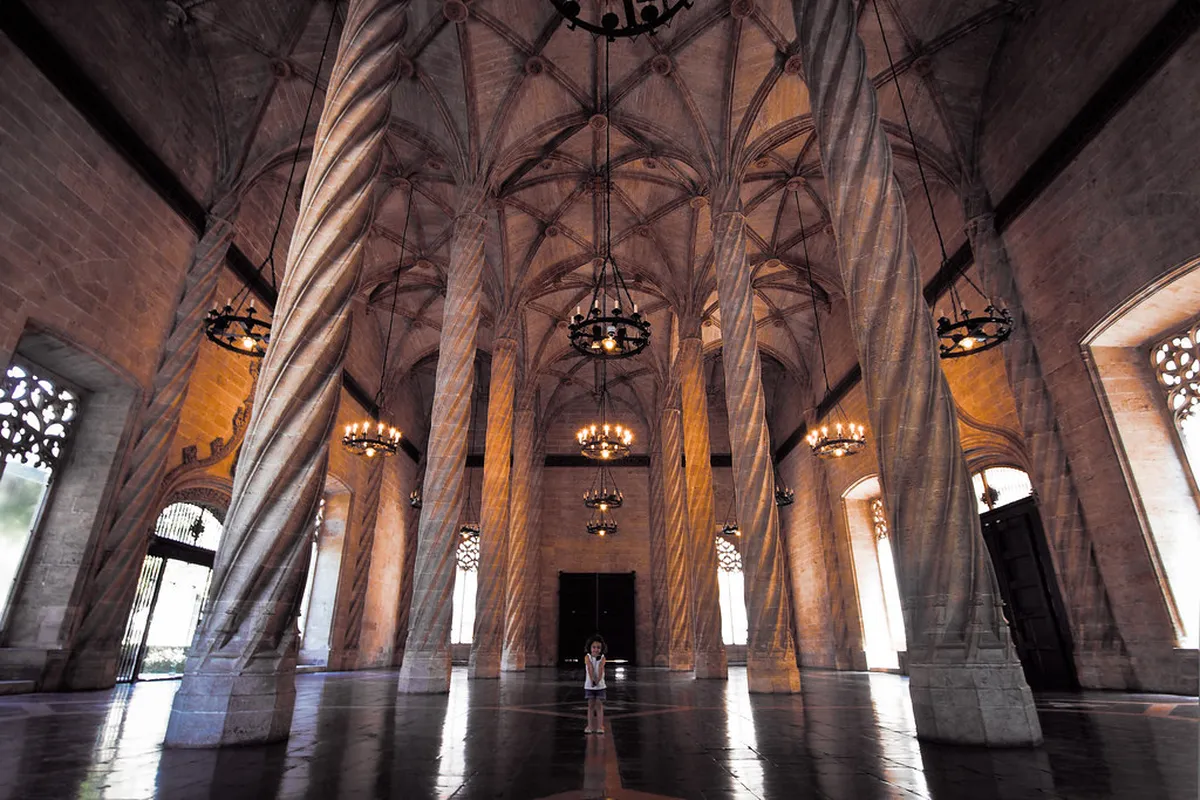
Table of Contents
Explore Valencia's Stunning Gothic Architecture
Valencia, Spain, boasts incredible architectural diversity. Among its many styles, Valencian Gothic architecture truly stands out. This unique regional style flourished during the Kingdom of Valencia. It showcases rich history and artistic skill.
You will find many stunning examples across the city. Prepare to explore magnificent cathedrals and ancient city gates. This guide will help you uncover Valencia's Gothic treasures. Plan your architectural journey for 2025 with our Valencia architecture guide.
Key Features of Valencian Gothic Style
Valencian Gothic architecture distinguishes itself from other European forms. It often combines practicality with artistic flair. Builders prioritized light and open spaces. This created soaring, impressive interiors.
Expect to see intricate ribbed vaults in ceilings. These provide structural support and beauty. Pointed arches define doorways and windows. Look for decorative elements carved into stone.
Unique to Valencia are flat roofs and minimal flying buttresses. This design adapted to the local climate. Many structures used local stone and brick. This gives them a distinct regional character.
Consider the flamboyant Gothic touches. These include intricate tracery and decorative flourishes. This style period dates primarily from the 13th to the 15th centuries. Discover more about key features of Gothic architecture in Valencia.
Many Valencian Gothic buildings incorporate local elements. Look for the distinct ceramic tiles, called azulejos. These add color and pattern to interiors. They are a wonderful local touch, as seen in Valencian tilework.
La Lonja de la Seda: A UNESCO Gem
The Silk Exchange, or La Lonja de la Seda, is a magnificent example. It symbolizes Valencia's golden age of commerce. This UNESCO World Heritage site was built between 1482 and 1533. It showcases a purely civic Gothic style.
Its most famous part is the Contracting Hall. Here, tall, twisted columns resemble palm trees. The ribbed vaults reach an incredible height. Sunlight streams through large windows.
Explore the central patio with its orange trees. Admire the gargoyles adorning the exterior. These grotesque figures depict various creatures. They add whimsical detail to the serious architecture.
The Consulat del Mar room features a beautiful wooden ceiling. This area once housed the maritime court. Entrance costs approximately €2.00 as of 2025. You can visit from 10:00 AM to 7:00 PM Tuesday to Saturday.
Do not miss the intricate details carved into the stone. Each element tells a story of trade and prosperity. Learn more about La Lonja de la Seda before your visit. It remains a highlight of Valencian architecture.
Valencia Cathedral and Miguelete Bell Tower
Valencia Cathedral presents a fascinating blend of styles. Its Gothic core dominates the structure. Romanesque and Baroque elements are also present. This reflects centuries of construction and changes.
The cathedral began in the 13th century on a former mosque site. Its main Gothic features include the Apostles' Gate and the main nave. Inside, you will find stunning stained-glass windows. These bathe the space in colorful light.
Climb the Miguelete Bell Tower for panoramic city views. This octagonal Gothic tower stands 63 meters tall. The ascent involves 207 spiral steps. It offers a unique perspective of Valencia's historic center.
Entry to the cathedral costs around €8.00 in 2025. This includes an audio guide. Access to the Miguelete Tower is an additional €2.50. Check official website for current opening hours.
The cathedral also houses what is believed to be the Holy Grail. This sacred relic attracts many visitors. Its blend of history and legend is captivating. Explore the Valencia Cathedral architecture in detail. It is a must-see for Gothic enthusiasts.
Torres de Serranos and Torres de Quart
🌟 Local Expert Tip: Get the most out of your Valencia visit with guided tours!
The ancient city gates of Valencia are impressive. The Torres de Serranos and Torres de Quart date from the medieval period. They represent powerful examples of military Gothic architecture. These towers once protected the city.
The Torres de Serranos, built in the late 14th century, is truly grand. It functioned as a triumphal arch and a city defense. You can climb to the top for wonderful views. Admission is approximately €2.00.
These towers offer a glimpse into Valencia's past. Imagine knights and merchants passing through their arches. The stone carvings and battlements are remarkable. They show skilled craftsmanship.
The Torres de Quart, from the mid-15th century, shows battle scars. Cannonball impacts are still visible on its facade. These towers served as a women's prison much later. They stand as a testament to resilience.
Visiting hours for both towers are typically 10:00 AM to 7:00 PM. Check for specific 2025 schedules. They are free on Sundays and public holidays. Discover more about the Torres de Serranos details for your trip. These fortifications are essential to understanding Valencia's medieval past.
Finding Gothic Gems in El Carmen
Beyond the major landmarks, El Carmen district hides more Gothic treasures. Wander its narrow, winding streets. You will discover less-known buildings and charming plazas. This area feels like stepping back in time.
Many residential buildings feature Gothic elements. Look for stone arches and decorative doorways. Some small churches, like Sant Nicolau, have Gothic origins. Their interiors often received Baroque makeovers later.
The Palau de la Generalitat also displays Gothic features. This impressive public building dates to the 15th century. Its elegant facade and patio are worth seeing. The tower was added later, in the Renaissance style.
Spend a few hours getting lost in this historic neighborhood. Stop for a coffee at a quaint cafe. The atmosphere alone is a reward. El Carmen district architecture offers a different view of Valencia.
Consider taking a self-guided tour to explore. Many architectural details are just waiting to be noticed. Pay attention to unique doorways and small courtyards. These reveal hidden aspects of Valencian Gothic architecture.
Frequently Asked Questions
What makes Valencian Gothic architecture distinctive?
Valencian Gothic is known for its horizontal emphasis. It features flatter roofs and minimal flying buttresses. Builders adapted designs to the Mediterranean climate. This differentiates it from Northern European Gothic styles. It also often uses local materials like stone and brick, as highlighted in Valencian Gothic style highlights.
Which are the must-see Valencian Gothic buildings in Valencia?
You must visit La Lonja de la Seda. It is a UNESCO World Heritage site. Valencia Cathedral showcases various historical styles. Its Gothic core remains prominent. The Torres de Serranos and Quart also stand out. These ancient city gates are truly remarkable.
Can I explore Valencia's Gothic sites on a walking tour?
Absolutely, a walking tour is ideal. Most major Gothic sites are in Valencia's old town. You can easily reach them on foot. Consider a Valencian architecture walking tour. This allows you to experience the atmosphere fully. Guided tours offer deeper insights into the city's history.
Valencia's Gothic architectural heritage is truly captivating. From the iconic La Lonja to the formidable city gates, history awaits. Each building tells a unique story of the city's past. Plan your architectural adventure for 2025.
Immerse yourself in the beauty of these ancient structures. They offer a profound glimpse into a bygone era. Discover more incredible architecture across the city. Start planning your Valencia architecture itinerary today.
Key Takeaways
- Explore La Lonja de la Seda and Valencia Cathedral for iconic Gothic experiences.
- Climb Torres de Serranos for amazing panoramic views of the city.
- Wander El Carmen district to discover hidden Gothic architectural gems.