
La Lonja de la Seda Valencia: Silk Exchange Guide
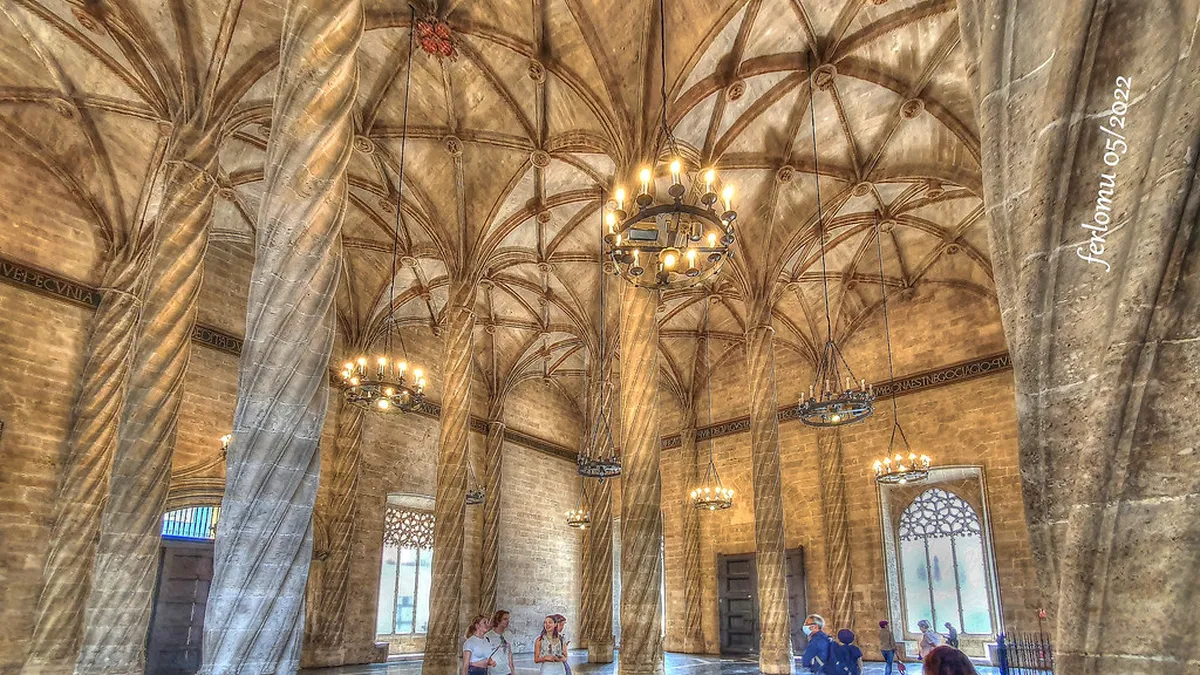
Table of Contents
Explore La Lonja de la Seda: Valencia's UNESCO Gem
Valencia boasts an incredible architectural treasure. La Lonja de la Seda stands as a testament to the city’s Golden Age. This UNESCO World Heritage site is a must-see. It showcases magnificent Valencian Gothic architecture.
Known as the Silk Exchange, it once bustled with merchants. Today, it offers a fascinating glimpse into Valencia's rich past. Explore its intricate details and learn its captivating story. For a deeper dive into the city's structures, check out our comprehensive Valencia architecture guide.
History and Significance of La Lonja de la Seda
La Lonja de la Seda emerged during Valencia's most prosperous period. The city thrived as a major Mediterranean trading hub. Silk production and trade were incredibly important. This exchange became the heart of commercial activity.
Construction began in 1483 and finished around 1533. It symbolized Valencia's economic power. Merchants from across Europe gathered here. They negotiated deals and exchanged goods, especially luxurious silk.
This magnificent building replaced an older, simpler structure. It was designed to impress visitors and competitors. Its grandeur reflected the city's wealth. The Lonja played a vital role in shaping Valencia's identity.
It served as a vibrant marketplace for centuries. The building housed not only trade but also a maritime consulate. This unique combination made it an economic powerhouse. Its influence extended throughout the Mediterranean.
Today, La Lonja de la Seda is a protected monument. It stands as a symbol of past glory. Visitors can truly appreciate its historical weight. Discover more about its importance in our architectural analysis of La Lonja.
Architectural Marvels: Valencian Gothic Style
The design of La Lonja de la Seda is truly exceptional. Pere Compte was the main architect. He masterfully blended late Gothic elements. The building exemplifies the highest form of civilian Gothic architecture.
Its robust stone structure inspires awe. Delicate decorative details soften its imposing presence. Look for intricate carvings on walls and columns. These elements showcase incredible craftsmanship.
The building features multiple distinct sections. Each serves a specific function. However, they all share a cohesive Gothic style. This unity creates a harmonious overall design. It is a prime example of Valencian Gothic architecture.
You will notice impressive gargoyles adorning the exterior. These grotesque figures served a dual purpose. They act as drainage spouts for rainwater. They also feature symbolic and often humorous imagery.
The Lonja's architecture represents a golden age. It showcases the prosperity of 15th-century Valencia. Its elegant forms and strong lines remain captivating. This historic building continues to inspire architects and visitors alike.
The Sala de Contratación and Consolat del Mar
The Sala de Contratación, or Contract Hall, is the heart of La Lonja. It is a vast, open space with soaring ribbed vaults. Twenty-four helicoidal columns support the ceiling. These twisted columns create a stunning visual effect.
Natural light floods the hall through large windows. The overall impression is one of grandeur and spaciousness. This is where merchants conducted their business. Imagine the bustling energy of past trade negotiations within these walls.
Adjacent to the Contract Hall is the Consolat del Mar. This section housed the Maritime Consulate. It was a court for resolving trade disputes. Justice was swift and often delivered by merchants themselves.
The Consolat features beautiful Renaissance elements. It contrasts slightly with the Gothic main hall. This blend of styles adds to the building's charm. It highlights the evolving architectural tastes of the era.
Connecting these two main areas is a tranquil courtyard. Known as the Patio de los Naranjos, it offers a peaceful respite. Orange trees fill the space with a pleasant aroma. It is a perfect spot for quiet reflection during your visit. Explore the rich symbolism in La Lonja de la Seda's design.
Visiting La Lonja de la Seda in 2025
🌟 Local Expert Tip: Get the most out of your Valencia visit with guided tours!
La Lonja de la Seda is located in Valencia's historic center. Its address is Carrer de la Llotja, 2, 46001 València. It is easily accessible by foot from many city landmarks. Public transport options are also readily available.
Opening Hours: The Lonja is generally open Tuesday to Saturday from 10:00 AM to 7:00 PM. Sundays and holidays see reduced hours, usually 10:00 AM to 2:00 PM. It is typically closed on Mondays. Always check current times before your 2025 visit.
Ticket Prices: General admission usually costs around 2 Euros. Reduced rates apply for students, seniors, and children. Some days, like Sundays, may offer free entry. Verify prices on the official Valencia tourism website for the most current information.
Allow at least one hour to explore the building thoroughly. Many visitors spend more time admiring the details. Consider a guided tour for deeper insights. These tours often highlight hidden gems and stories.
Photography is generally permitted inside the Lonja. Remember to be respectful of other visitors. Early mornings usually offer fewer crowds. This creates an ideal environment for stunning photos. Discover other best architecture photography spots in Valencia.
Exploring Beyond the Exchange: Nearby Architectural Gems
La Lonja de la Seda is nestled in a rich architectural district. Just across the street stands the Mercado Central. This vibrant market is a masterpiece of Art Nouveau design. Its iron and glass structure is truly stunning.
A short walk away, you'll find the Valencia Cathedral. This impressive building blends Romanesque, Gothic, and Baroque styles. Climb the Miguelete Bell Tower for panoramic city views. The Plaza de la Reina surrounds the Cathedral.
Wander through the narrow streets of the El Carmen district. This historic neighborhood offers a maze of ancient architecture. Discover medieval walls and charming plazas. You will find unique doorways and vibrant street art there. Find out more about El Carmen district architecture.
Consider joining a Valencia architecture walking tour. These tours often cover the Lonja and surrounding areas. They provide expert insights into the city's diverse styles. Many fascinating buildings are within easy reach.
Valencia offers a rich tapestry of architectural wonders. From ancient Roman remnants to futuristic designs, there's much to see. Don't limit your visit to just one site. Explore the diverse beauty all around the Lonja.
Frequently Asked Questions
🌟 Local Expert Tip: Get the most out of your Valencia visit with guided tours!
What is La Lonja de la Seda famous for?
La Lonja de la Seda is famous for its stunning Valencian Gothic architecture. It served as a vibrant silk exchange in the 15th century. This UNESCO World Heritage site symbolizes Valencia's Golden Age prosperity. It is considered one of Europe's finest examples of civil Gothic design.
Who was the architect of La Lonja de la Seda?
Pere Compte was the principal architect behind La Lonja de la Seda. He began his work in 1483. His masterful design is evident throughout the building. He is renowned for his innovative use of Gothic elements. Learn more about Valencian Gothic architecture.
Is La Lonja de la Seda a UNESCO World Heritage site?
Yes, La Lonja de la Seda was declared a UNESCO World Heritage site in 1996. Its exceptional universal value was recognized. It represents a significant period in European history. The building showcases an outstanding example of late Gothic architecture.
How much time should I allocate to visit La Lonja de la Seda?
Visitors should typically allocate between 60 to 90 minutes. This allows time to appreciate the Contract Hall and Patio. You can also explore the Consolat del Mar. For a more detailed visit, including photography, plan for longer. Consider nearby attractions like the Mercado Central afterward.
La Lonja de la Seda remains an iconic monument in Valencia. Its grand scale and intricate details are truly inspiring. This UNESCO World Heritage site offers a powerful link to the past. It showcases the city's economic and architectural prowess.
Make sure to include La Lonja in your 2025 Valencia travel plans. It provides a profound historical and cultural experience. Explore its beauty and rich stories firsthand. For more detailed guides and tours, visit Architect Tourist.
Key Takeaways
- La Lonja de la Seda is a UNESCO World Heritage site.
- It is a masterpiece of Valencian Gothic architecture from the 15th century.
- Explore the Contract Hall, Consolat del Mar, and Orange Tree Courtyard.