
Valencia Cathedral: A Journey Through Architectural History
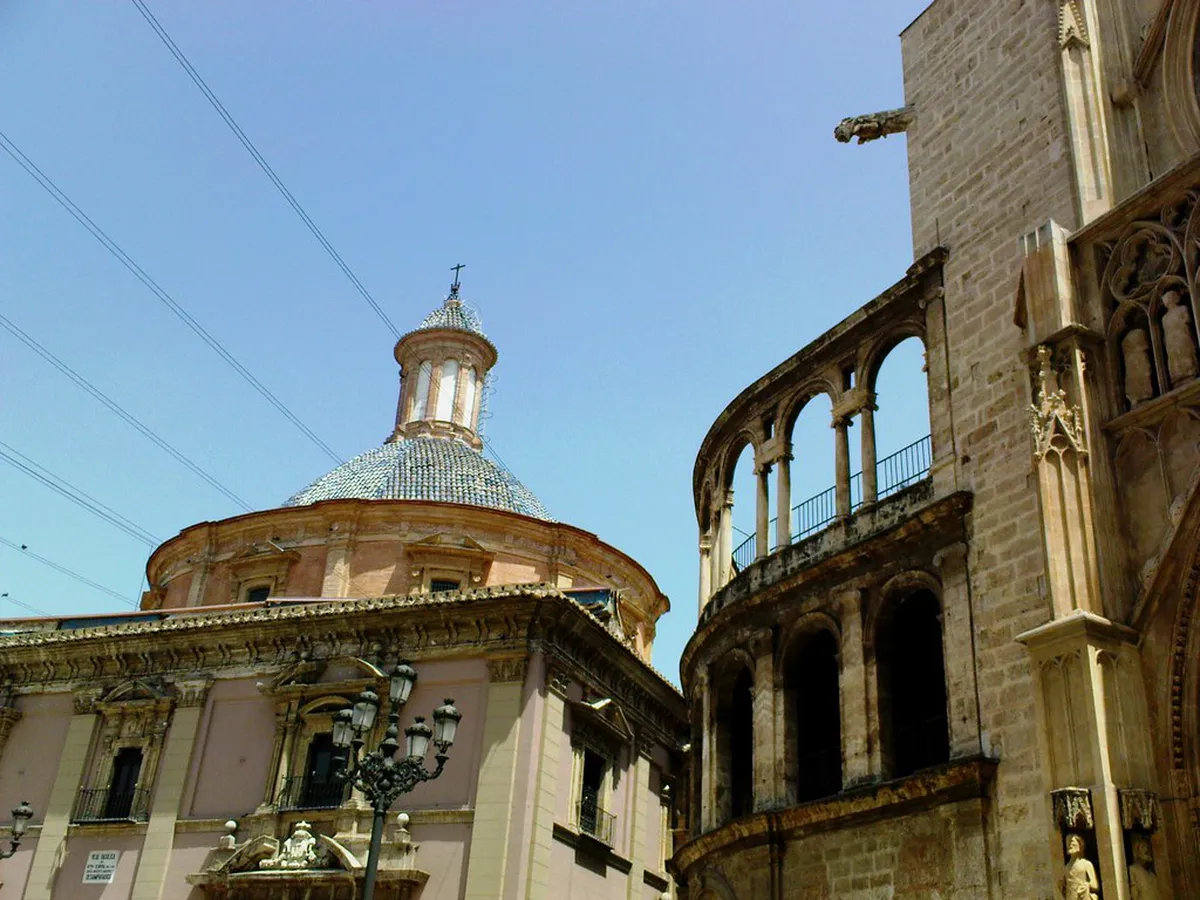
Table of Contents
Uncovering Valencia Cathedral's Rich Architectural History
Valencia Cathedral stands as a testament to time. Its stones whisper tales of diverse cultures and changing artistic styles. Understanding its architectural history reveals much about Valencia itself. This article explores the cathedral's fascinating evolution.
From ancient Roman foundations to elaborate Baroque facades, each era left its mark. You will uncover hidden secrets and visible transformations. For a broader view, delve into our Valencia architecture guide. Prepare to be amazed by this iconic Spanish landmark.
From Roman Temple to Moorish Mosque
The site of Valencia Cathedral holds deep historical roots. Evidence suggests a Roman temple once stood here. Later, during Moorish rule, it became a mosque. This layered past forms the very foundation of the current structure.
After the Reconquista in 1238, the mosque was consecrated. It was then transformed into a Christian church. Early Christian additions often repurposed existing walls. This early conversion began its long architectural journey.
Traces of its Roman and Moorish past are subtle yet significant. Archeological digs have revealed ancient foundations. The early Christian builders adapted these older structures. This continuous use makes the site profoundly historical. Learn more about Roman architecture in the region. The Moorish architectural influence can still be felt in Valencia's urban planning.
The Dominant Gothic and Renaissance Forms
The main construction of the cathedral began in the 13th century. This period saw the rise of the Gothic style. Most of the cathedral's core reflects this dominant architectural style. It showcases elegant arches and soaring vaults.
Valencian Gothic architecture is distinctive. It often incorporates local materials and craftsmanship. Key elements include impressive rose windows and pointed arches. The Puerta de los Apóstoles is a prime example of its Gothic artistry.
Later, the Renaissance brought new artistic influences. Chapels and altarpieces received Renaissance decorations. These additions blended seamlessly with the existing Gothic framework. This fusion creates a unique visual experience for visitors. Explore other examples of Valencian Gothic architecture for comparison. Consider a Valencia architecture walking tour to see these styles firsthand.
Baroque Flourishes and Modern Discoveries
The 17th and 18th centuries introduced the opulent Baroque style. The Puerta de los Hierros, or Iron Door, is a magnificent Baroque entrance. It contrasts sharply with the earlier Gothic facades. This elaborate portal features intricate carvings and columns.
Inside, many chapels underwent Baroque renovations. These often included rich ornamentation and dramatic altars. The high altar itself exhibits significant Baroque elements. This layering of styles tells a continuous story of architectural trends.
More recent efforts focus on restoration and discovery. Modern archaeology continues to uncover hidden medieval structures. These discoveries enhance our understanding of the cathedral's past. Comparing Gothic and Baroque elements is fascinating. For more context, observe other Baroque buildings in Valencia.
Frequently Asked Questions
⭐ Recommendation: Don't miss out on amazing Valencia tours - book now!
What architectural styles can be seen in Valencia Cathedral?
Valencia Cathedral displays a remarkable mix of styles. You will primarily see Gothic, Baroque, and Renaissance elements. Subtle traces of Roman and Moorish foundations also exist. This diverse blend makes it a unique historical landmark.
When is the best time to visit Valencia Cathedral in 2025?
Visiting in spring (April-May) or fall (September-October) is ideal for 2025. The weather is pleasant and crowds are smaller. Check official opening hours before your visit. Early mornings often provide the best experience for avoiding crowds.
Are there guided tours available for the architectural history?
Yes, guided tours are available and highly recommended. They offer deeper insights into the cathedral's rich history. Tours often highlight specific architectural features. Check the official cathedral website for tour schedules and booking information. This can also be part of a larger Valencia architecture itinerary.
The architectural history of Valencia Cathedral is truly exceptional. It beautifully represents centuries of cultural evolution. Each style adds a unique layer to its magnificent design. Visiting this cathedral is an enriching experience for any traveler in 2025. Don't miss exploring its incredible past. This site is among the best photography spots in Valencia.
Key Takeaways
- Valencia Cathedral showcases Roman, Moorish, Gothic, Renaissance, and Baroque styles.
- Look for distinct architectural features like the Puerta de los Hierros and Gothic rose windows.
- Consider a guided tour to fully appreciate the layered history and intricate details.