
Uncovering Moorish Influence in Valencia Architecture
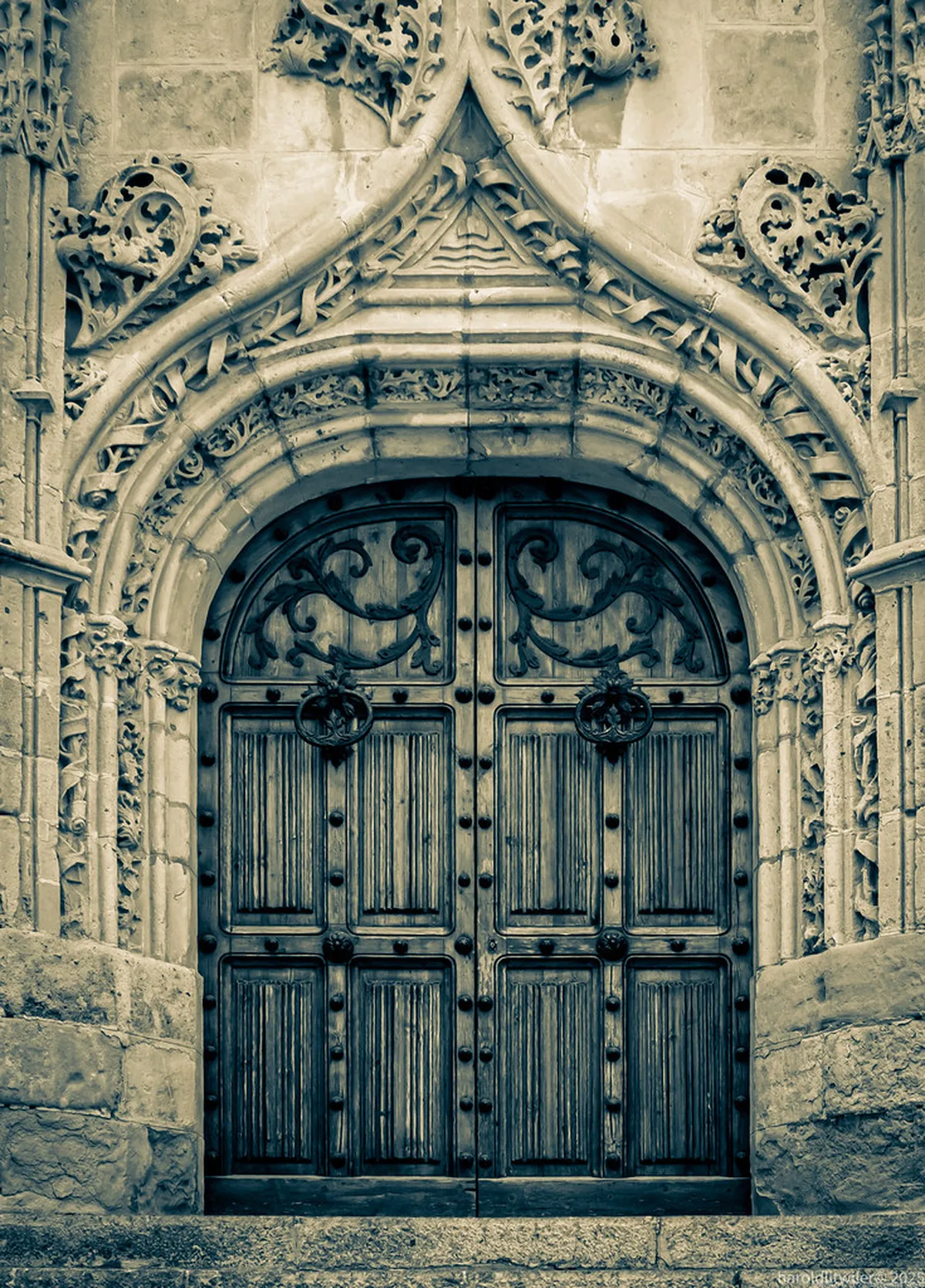
Table of Contents
Spotting Moorish Architecture Gems in Valencia's Landscape
Valencia boasts a rich tapestry of architectural styles. Among these, the profound Moorish influence in Valencia architecture stands out. This legacy shaped the city's character for centuries. It left behind unique designs and a vibrant cultural imprint.
From intricate patterns to clever engineering, Moorish design elements are still visible. They tell a story of innovation and beauty. This guide helps you discover these architectural wonders in Valencia. Prepare to explore a fascinating historical journey in 2025.
Valencia's Deep Moorish Heritage Revealed
Valencia was under Muslim rule for over 500 years. This era began in the 8th century AD. It profoundly shaped the city's early development. Moorish architects introduced advanced building techniques.
They brought sophisticated irrigation systems and urban planning. These innovations laid the groundwork for modern Valencia. The city thrived as a center of culture and trade. Its infrastructure reflected advanced Islamic knowledge.
Early fortifications also show this influence. While much was later rebuilt, foundations remain. You can still trace some remains of the Arab wall in Valencia. These remnants offer a glimpse into the city's distant past.
Understanding this heritage enriches any architectural tour. It highlights the layers of history beneath Valencia's streets. Seek out these ancient clues for a deeper appreciation.
Identifying Key Moorish Architectural Elements
Moorish architecture is renowned for its distinct features. Look for the iconic horseshoe arch in older structures. These arches often frame doorways or windows. They create a graceful and unique aesthetic.
Geometric patterns are another hallmark of Moorish design. Intricate tiling, known as Valencian azulejos, showcases these complex motifs. These patterns often repeat infinitely. They symbolize the infinite nature of God in Islamic art.
Decorative plasterwork, called *yesería*, also features heavily. This work covers walls and ceilings with delicate designs. Carved wooden ceilings, or *artesonados*, add warmth and grandeur. They are true masterpieces of craftsmanship.
Water features, like courtyards with fountains, were also common. They provided cooling and a sense of tranquility. While less common in public buildings now, their influence is clear. These elements define the unique beauty of Moorish design.
Mudejar Style: A Cultural Architectural Blend
After the Christian Reconquista, a new style emerged. This was the Mudejar style, developed by Muslim craftsmen. They continued working under Christian rule. This style beautifully fused Islamic and Christian architectural traditions.
Mudejar architecture often uses brick as a primary material. It incorporates intricate brick patterns and decorative plaster. These elements are distinctly Moorish in origin. Yet they appear on Christian churches and palaces.
You might find elements like horseshoe arches in unexpected places. Decorative friezes often adorn facades. Valencian Gothic architecture sometimes features Mudejar details. This blend creates a unique regional flavor.
The Mudejar style is a testament to cultural coexistence. It shows how artistic traditions can merge and evolve. Valencia’s historical buildings frequently showcase this rich synthesis. Discovering these blends is part of the city's charm.
Spotting Moorish Influence in Valencia Today
🎯 Insider Tip: Discover the best Valencia experiences with Viator Tours!
The Valencia Cathedral offers compelling evidence. Its 'Puerta de la Limosna' (Door of Alms) features a distinct horseshoe arch. This arch is a clear nod to Moorish design. The original minaret, now the Miguelete bell tower, shows Islamic origins.
Explore the winding streets of the El Carmen district. Here, you will find ancient urban layouts. Some narrower alleyways reflect original Moorish street plans. Courtyards within old buildings can reveal hidden details. These often include patterned tilework or archways.
While no complete Moorish palaces remain, their spirit lives on. Many later buildings incorporate elements. Look for intricate geometric patterns in facades and interiors. Spotting these design elements can be a fun challenge. They are scattered throughout the old city center.
Even residential buildings can surprise you. Many older homes feature decorative ceramic tiles. These tiles often use traditional Moorish patterns. They add a splash of color and history to modern life. Keep an eye out for these subtle, beautiful touches.
Planning Your Moorish Architecture Tour in 2025
Discovering Valencia's Moorish past is an exciting endeavor. Start your journey in the Ciutat Vella (Old City). Many key sites are within easy walking distance. A good pair of walking shoes is essential for exploration.
Consider a self-guided architecture tour. Maps highlighting historical points are very helpful. You can set your own pace and linger at interesting spots. Most sites are accessible during standard daytime hours.
Many sites are free to view from the exterior. For interior access, check opening times and ticket costs. The Valencia Cathedral, for instance, has an entrance fee of around €8. This usually includes an audio guide for more insights.
The best time to visit is spring or fall (April-June, September-October). The weather is pleasant, and crowds are smaller. Remember to bring water, especially during warmer months. Plan your 2025 visit for an optimal experience.
Frequently Asked Questions
What defines Moorish influence in Valencia architecture?
Moorish influence in Valencia architecture is visible through several features. These include horseshoe arches, intricate geometric patterns, and decorative tilework. Elaborate plasterwork and the use of brick also define this style. You will also see clever water management systems.
Where can I find Islamic art elements in Valencia buildings?
You can find Islamic art elements at the Valencia Cathedral's Puerta de la Limosna. Explore the El Carmen district for historical street layouts. Look for patterned azulejos on older building facades. Many historic courtyards also retain a Moorish feel.
Can I still see the original Arab wall in Valencia?
Yes, remnants of the original Arab wall are still visible in Valencia. Parts can be seen near the IVAM Museum and in the El Carmen neighborhood. These sections offer a tangible connection to the city's Moorish past. They represent a significant historical landmark.
What is Mudejar architecture in the context of Valencia?
Mudejar architecture in Valencia is a unique blend of styles. It combines Islamic decorative techniques with Christian building forms. Muslim craftsmen, or Mudejars, created this style. They used brickwork, plasterwork, and intricate wood carvings. This is seen in buildings constructed after the Reconquista.
Are there specific tours for Moorish architecture in Valencia?
While not exclusively Moorish, many historical architectural tours in Valencia cover this period. These tours often highlight key sites with Moorish influence. You can also create a self-guided tour using historical maps. Focus on the Old City for the most concentrated examples.
The Moorish influence in Valencia architecture is undeniable and beautiful. It forms an integral part of the city's identity. These historical layers offer a deeper appreciation for Valencia's charm. Exploring them unveils centuries of cultural exchange.
Plan your visit to Valencia in 2025. Immerse yourself in this fascinating architectural legacy. Discover the intricate details and grand structures yourself. Start your architectural journey today with our comprehensive travel guides.
Key Takeaways
- Look for horseshoe arches and geometric patterns on older buildings.
- Visit Valencia Cathedral and El Carmen district for key examples of Moorish design.
- Understand Mudejar architecture as a blend of Islamic and Christian styles.
- Plan a self-guided tour focusing on the Ciutat Vella for historical insights.
- The best time to explore Valencia's architecture is during spring or fall.