
Toledo Building Stone: Materials of a Historic City
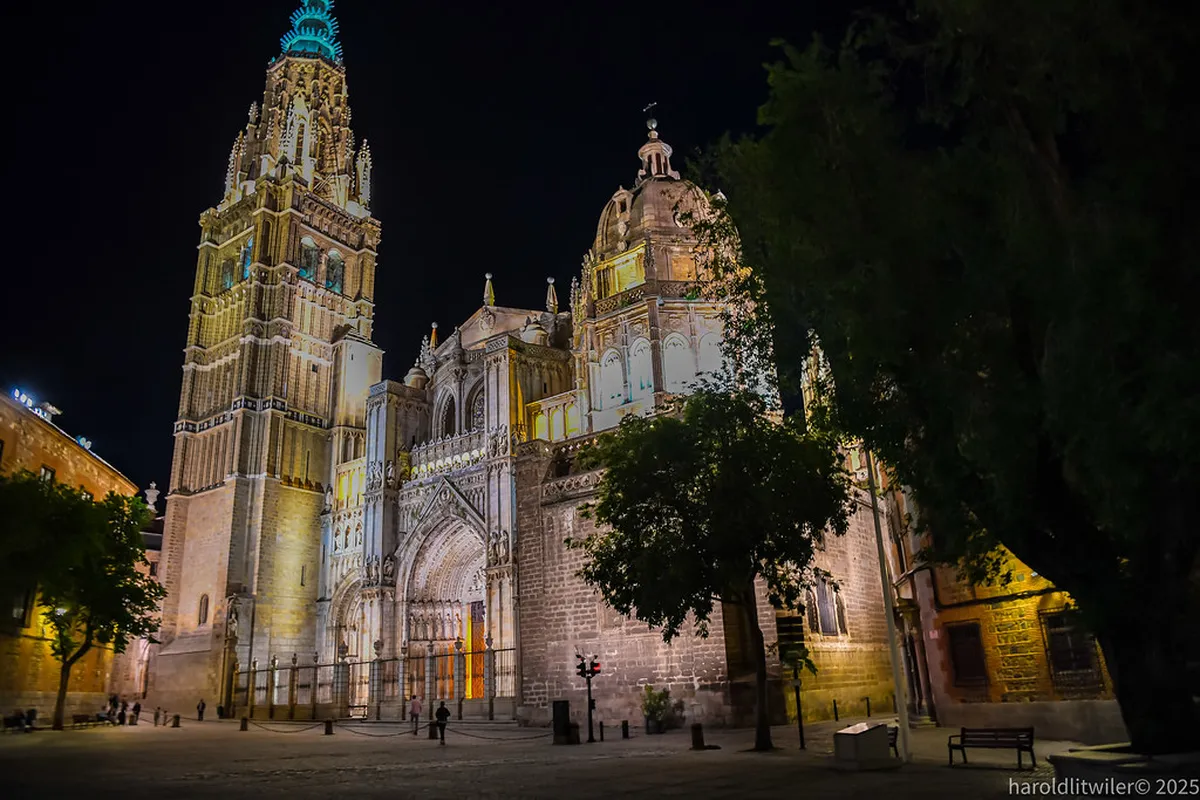
Table of Contents
Uncovering the Stone of Toledo Buildings
Toledo, Spain, boasts a rich architectural heritage. Many centuries of history shaped the materials used in Toledo buildings. Understanding these traditional elements enhances any visit. This guide explores the primary stones and other materials you will encounter. We cover everything from foundational limestone to intricate brickwork.
The city's unique blend of cultures is reflected everywhere. You will see influences from Roman, Visigothic, Jewish, Christian, and Islamic eras. Learn more about the fascinating Toledo architecture guide. This journey through building materials offers a deeper appreciation for this UNESCO World Heritage site.
The Dominant Stone: Toledo Limestone
Toledo's most prevalent building material is limestone. This sedimentary rock is readily available locally. Its warm, ochre tones define the city's charming streetscapes. Many historic Toledo buildings showcase this beautiful stone.
Limestone is relatively soft, making it easier to quarry and carve. However, it hardens over time when exposed to air. This characteristic makes it an ideal and durable material for construction. You can see its widespread use in ancient walls and foundational structures.
Famous structures like the Toledo Cathedral prominently feature this local stone. Its subtle variations in color add depth. The stone contributes to Toledo's distinctive historic appearance. This material has shaped the city for millennia.
Beyond Limestone: Other Stones and Earth Materials
While limestone dominates, other stones appear in Toledo buildings. Granite, known for its strength, was used for specific structural elements. It provided greater resilience in key areas. These harder stones often serve as foundations or reinforcements.
Beyond natural stone, brick played a vital role. Roman and Mudejar builders masterfully employed brickwork. They often combined brick with stone to create stunning patterns. Learn more about brickwork and masonry in Toledo. This combination is a hallmark of Toledo's unique style.
Additionally, earth-based materials like rammed earth (tapial) were common. These provided insulation and were economical. You can still spot remnants of these techniques in older, less prominent buildings. This demonstrates a resourceful use of local resources.
Traditional Toledo Building Materials and Their Legacy
The choice of materials in Toledo buildings reflects historical necessity. Builders utilized what was locally abundant and cost-effective. This reliance on local stone and earth created a cohesive architectural identity. Every street corner tells a story of this resourcefulness.
Techniques evolved through different eras, as seen in Visigothic remains and later Mudejar designs. The skilled craftsmanship adapted to each material's properties. This ensured longevity and beauty for centuries. The traditional methods endure today.
Modern restoration projects carefully source matching materials. They aim to preserve the authentic character of historic structures. Visitors in 2025 can observe these efforts across the city. Understanding these materials helps appreciate the city's enduring charm.
Identifying Materials in Toledo's Iconic Structures
⭐ Recommendation: Don't miss out on amazing Toledo tours - book now!
Walking through Toledo, pay close attention to building facades. You will easily spot the golden-hued limestone in major monuments. The imposing Alcázar of Toledo is a prime example. Its robust walls speak to the strength of this stone.
Look for the striking contrast of brick and stone in Mudejar buildings. The Synagogue of Santa María la Blanca demonstrates this blend beautifully. Such structures highlight the artistic use of available materials. This creates a distinct visual appeal.
Even the ancient city walls of Toledo showcase robust local stone. They stand as testaments to medieval engineering. Identifying these materials enhances your architectural exploration. It offers a tangible connection to Toledo's past.
Frequently Asked Questions
💡 Pro Tip: Book your Toledo adventures in advance through Viator for the best deals!
What is the primary type of stone found in Toledo's historic buildings?
The primary stone in Toledo's historic buildings is local limestone. It is abundant in the region. This stone contributes to the city's characteristic golden-ochre color. It has been used for construction since Roman times.
Are other materials, like brick, also common in Toledo's architecture?
Yes, brick is very common and essential to Toledo's architecture. It was often used alongside stone, especially in Mudejar styles. This combination creates intricate patterns and strong structures. You can learn more about Mudejar architecture in Toledo and its material use.
Where can visitors see examples of these traditional Toledo building materials?
Visitors can see traditional materials everywhere in Toledo. The Toledo Cathedral and the Alcázar are prime examples of limestone use. Many residential buildings also feature this stone. For a deeper dive, consider a self-guided architecture route. This helps identify different materials.
Toledo's architectural identity is deeply rooted in its building materials. The enduring limestone and versatile brick tell stories of ingenuity. These traditional elements shaped the city's unique charm for centuries. Exploring them offers a rich understanding.
As you wander Toledo's ancient streets in 2025, look closely. The stone and earth speak volumes about its past. Discover more insights into traditional Toledo building materials. Plan your visit to this historic Spanish gem soon!
Key Takeaways
💡 Pro Tip: Book your Toledo adventures in advance through Viator for the best deals!
- Toledo's main building material is locally sourced golden-ochre limestone.
- Brickwork, especially in Mudejar style, complements stone construction extensively.
- Materials like granite and rammed earth also appear in older Toledo structures.