
Discovering Visigothic Remains in Toledo, Spain
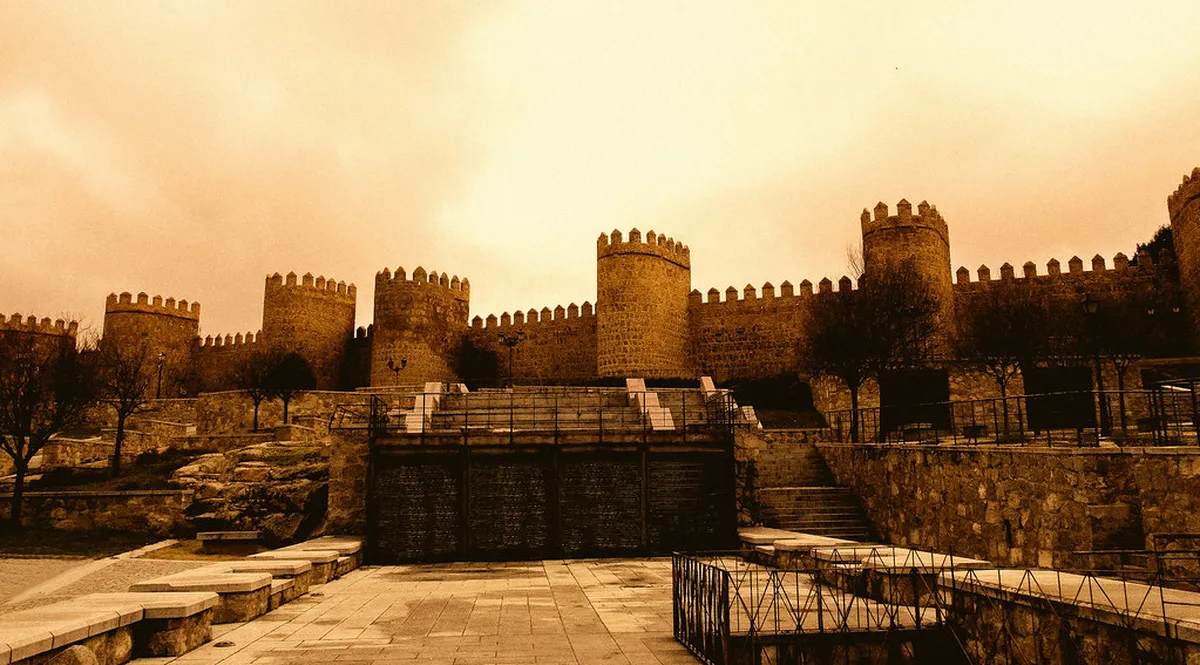
Table of Contents
Unearthing Ancient Visigothic History in Toledo
Toledo, Spain, boasts layers of rich history. Roman, Visigothic, Islamic, Jewish, and Christian cultures shaped this city. However, Visigothic remains in Toledo often go unnoticed. They are subtle treasures hidden beneath later constructions.
This guide helps you uncover Toledo’s Visigothic past. You will find ancient foundations and unique artifacts. Prepare for a journey through time in this historic Spanish city. Learn more about Toledo's diverse past with our comprehensive Toledo architecture guide. Understand the profound history of Visigothic influence on Toledo before you begin.
The Visigothic Kingdom in Toledo: A Brief History
Toledo served as the capital of Visigothic Spain. This was during the 6th and 7th centuries. The city became a political and religious hub. Many important councils took place here. These events shaped early Spanish history significantly.
The Visigothic period ended with the Islamic conquest in 711 AD. Much Visigothic architecture was destroyed or repurposed. Later builders often used existing foundations. This makes locating true Visigothic remains a challenge. The city's rich history shows many Islamic architectural influences.
Archaeological efforts continue to reveal new findings. Scholars piece together the puzzle of this early era. These discoveries help us understand Toledo's deep roots. They offer insights into a powerful ancient kingdom.
Toledo also has earlier history. Nearby, you can find Roman ruins near Toledo. These illustrate the city's continuous importance. Each layer adds to Toledo's unique architectural story.
Where to Find Visigothic Remains in Toledo Today
Finding distinct Visigothic remains requires a keen eye. Most structures were built over centuries later. However, several sites offer glimpses into this ancient period. You can discover fragments and foundations.
The Mezquita del Cristo de la Luz is a key example. This former mosque has Visigothic foundations. Its original structure dates back to the 7th century. It offers a clear example of historical layering. Explore more about this unique site at Cristo de la Luz Mosque.
Another significant spot is the Museo de los Concilios y la Cultura Visigoda. It is housed in the Church of San Román. This museum showcases Visigothic artifacts. You will see carved capitals, jewelry, and documents. It provides invaluable context for the era.
The church of Santa Eulalia also boasts Visigothic origins. Though heavily modified, some elements remain. Early Christian basilicas formed the basis of many churches. These often sit upon earlier Visigothic or Roman sites.
Finally, parts of Toledo’s ancient city walls may hold Visigothic origins. While largely Roman and later medieval, some sections have older foundations. The city walls of Toledo offer a journey through various historical periods. Look closely at the lower stone courses.
Recognizing Visigothic Architectural Elements
Visigothic architecture has distinct features. One common element is the horseshoe arch. This arch shape is narrower at the bottom than at the spring. It is a precursor to later Islamic styles. You can see similar arches in Mudejar architecture in Toledo.
Look for carved capitals in churches and museums. Visigothic capitals often feature geometric patterns. They also show stylized flora and fauna designs. These carvings are less ornate than Roman Corinthian styles. They reflect a unique artistic tradition.
Visigothic buildings typically used local stone. Construction techniques were robust and simple. Buildings were often smaller and more functional. Their design reflected a transitional period. It moved from Roman grandeur to early medieval forms.
Understanding these elements helps identify authentic remains. Contrast them with later styles. Toledo's Gothic architecture, for instance, is vastly different. The earlier forms provide a fascinating study.
Planning Your Visigothic Exploration in 2025
🌟 Local Expert Tip: Get the most out of your Toledo visit with guided tours!
Toledo makes for an excellent day trip from Madrid. To best explore Visigothic remains, allocate a full day. Wear comfortable walking shoes, as the city is hilly. Many sites are close to the historic center.
The Museo de los Concilios y la Cultura Visigoda opens daily. It is generally closed on Mondays. Admission costs around 3 Euros in 2025. Verify current hours and prices before your visit. You can find it at Plaza de San Román.
Consider starting your day at the museum. This provides excellent historical context. Afterwards, visit the Cristo de la Luz Mosque. Then explore other mentioned sites, keeping an eye out for details. This route allows a logical progression.
For a deeper dive, consider a self-guided tour. Our self-guided architecture route can be a helpful tool. If you prefer guided experiences, explore Toledo architecture tours. Some tours focus specifically on early history.
Frequently Asked Questions
🎯 Insider Tip: Discover the best Toledo experiences with Viator Tours!
What are the most important Visigothic sites in Toledo?
The Church of San Román houses the Museo de los Concilios y la Cultura Visigoda. This is the prime spot for artifacts. The Mezquita del Cristo de la Luz preserves Visigothic foundations. Additionally, the Church of Santa Eulalia shows early Christian origins. These sites are essential for understanding Toledo's Visigothic past.
How much does it cost to visit Visigothic museums in Toledo?
Admission to the Museo de los Concilios y la Cultura Visigoda is around 3 Euros. This price is current for 2025. The Mezquita del Cristo de la Luz also charges a small entrance fee. You can purchase a Toledo Tourist Card for combined savings. Many churches may be free to enter, though some areas may have a charge.
Why are Visigothic remains in Toledo so hard to find?
Visigothic remains are challenging to find due to subsequent building. Toledo has been continuously occupied for millennia. Later cultures often built directly over earlier structures. This recycling of materials was common practice. Many ancient sites underwent extensive Toledo building restoration over time. Its status as a UNESCO heritage site helps preserve what remains. However, much lies hidden beneath the surface.
Toledo's Visigothic past is a captivating chapter. It requires careful observation to truly appreciate. These ancient remains offer a unique glimpse into early medieval Spain. Plan your visit to uncover these hidden architectural gems.
Do not miss the opportunity to connect with Toledo's foundational history. Use this guide to enrich your understanding. Explore Toledo with our comprehensive Toledo architecture walking map. Embark on a journey through time in this remarkable city.
Key Takeaways
🎯 Insider Tip: Discover the best Toledo experiences with Viator Tours!
- Prioritize the Museo de los Concilios y la Cultura Visigoda for artifacts.
- Examine the Mezquita del Cristo de la Luz for its Visigothic foundations.
- Look for distinctive horseshoe arches and carved capitals in older structures.