
Discover Mudejar Architecture in Toledo, Spain
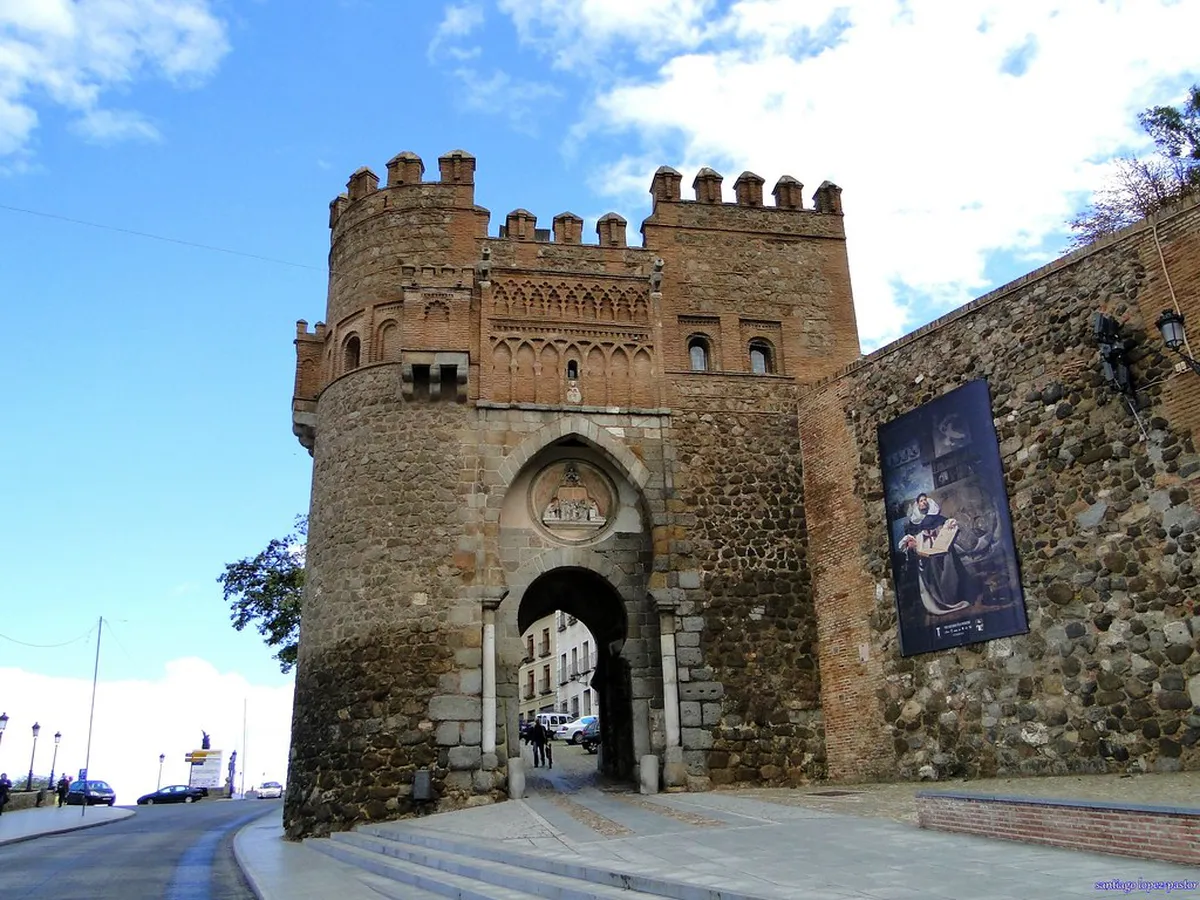
Table of Contents
Explore Toledo's Rich Mudejar Architecture
Toledo, Spain, is a city brimming with history. Its unique past saw Christian, Muslim, and Jewish cultures blend. This fusion created a truly special architectural style. You can discover incredible Mudejar architecture in Toledo. Prepare to be amazed by its beauty in 2025.
Mudejar art and building techniques flourished here. Christian rulers adopted the skilled craftsmanship of their Muslim predecessors. This led to structures with distinct Islamic features. This guide helps you explore Toledo’s Mudejar legacy.
Understanding Mudejar Architecture in Toledo
Mudejar architecture defines a distinct Spanish style. It combines elements of Gothic, Romanesque, or Renaissance design. However, it incorporates Islamic construction and decorative motifs. This style emerged after the Christian Reconquista of Spain.
Toledo became a major Mudejar center. Muslim artisans, called Mudéjars, continued their craft under Christian rule. They applied their skills to new Christian commissions. This resulted in beautiful churches and palaces.
Key materials include brick, plasterwork, and ceramic tiles. You will often see intricate geometric patterns. Horseshoe arches and elaborate wooden ceilings are also common. Identifying Mudejar style in Toledo is quite rewarding. These elements make Mudejar buildings stand out visually.
Magnificent Mudejar Synagogues of Toledo
Toledo's Jewish Quarter holds two stunning Mudejar synagogues. These buildings showcase the incredible craftsmanship. They reflect the diverse cultural harmony of the city. A visit offers deep historical insight.
The Synagogue of Santa María la Blanca is essential. It was built in the 12th century. Later, it became a church. Its interior features a forest of arches. White plasterwork adorns the capitals and friezes. Entrance costs about 3.00 euros. It is generally open daily until 5:45 PM in 2025.
Another must-see is the Synagogue of El Tránsito. This 14th-century gem houses the Sephardic Museum. Its main hall boasts magnificent plasterwork. This work depicts heraldic symbols and Hebrew inscriptions. Exploring the Jewish Quarter architecture is a fascinating experience. Both synagogues beautifully represent Mudejar style. They are crucial to understanding Toledo’s past.
Christian Churches Transformed by Mudejar Art
Many of Toledo's Christian churches feature Mudejar elements. Builders often used existing structures. They then added new, distinctive Mudejar details. This fusion creates unique and compelling sacred spaces.
The Church of Santo Tomé is one famous example. It houses El Greco's masterpiece, "The Burial of the Count of Orgaz." However, its striking Mudejar tower is equally impressive. This tower features intricate brick patterns. It remains a key example of Mudejar architecture in Toledo. Expect a small entrance fee of around 3.00 euros.
Another significant site is the Church of Santiago del Arrabal. This church sits near the Puerta de Bisagra. It boasts a stunning Mudejar brick tower. Its interior features beautiful horseshoe arches. The Church of San Román also shows strong Mudejar influence. It incorporates Visigothic elements too. These churches are open during specific worship hours.
Other Essential Mudejar Gems and Features
💡 Pro Tip: Book your Toledo adventures in advance through Viator for the best deals!
Beyond synagogues and churches, Toledo holds more Mudejar treasures. The city itself acts as an open-air museum. You will find Mudejar details around every corner. Keep an eye out for these special features.
The Mosque of Cristo de la Luz is ancient and small. It began as a mosque in the 10th century. Later, it was converted into a church. Its Mudejar additions are visible today. These include a beautiful apse and frescoes. It is a remarkable piece of history. Visiting Cristo de la Luz costs around 3.00 euros.
Even Toledo's defensive structures show Mudejar influence. The iconic Puerta de Bisagra is a prime example. Its twin towers and horseshoe arches are Mudejar. The city walls of Toledo and bridges also feature this style. The Alcántara Bridge includes Mudejar-style arches. These elements showcase the widespread use of Mudejar craftsmanship.
Frequently Asked Questions
What defines the Mudejar style in Toledo?
Mudejar style in Toledo combines Christian architectural forms with Islamic artistic techniques. It features brickwork, intricate plaster decoration, and geometric patterns. Horseshoe arches and colorful ceramic tiles are also common. This blend makes Mudejar structures visually unique. It reflects Toledo's multicultural history.
Are there guided tours focusing on Mudejar architecture?
Yes, many guided tours highlight Mudejar architecture in Toledo. These tours offer expert insights into the style's history. They also cover its most significant examples. Look for specialized Toledo architecture tours. They can provide a deeper understanding. Booking in advance is recommended, especially during peak season.
What are the best free Mudejar architectural sights in Toledo?
While some Mudejar sites charge admission, many are visible for free. You can admire the Puerta de Bisagra and other city gates. The exterior of the Church of Santiago del Arrabal is also free to see. Walking along the city walls reveals Mudejar elements. You can also explore general streetscapes in the old town. Many residential buildings feature subtle Mudejar details.
Toledo's Mudejar architecture offers a captivating journey. It showcases a unique blend of cultures and artistic traditions. Each arch, tile, and plaster pattern tells a story. This style is a testament to the city's rich heritage. Plan your visit to explore these architectural wonders. Discover the lasting legacy of Mudejar art in 2025.
Key Takeaways
- Mudejar architecture fuses Christian design with Islamic craftsmanship.
- Toledo boasts significant Mudejar synagogues, churches, and civic structures.
- Look for brickwork, geometric patterns, and horseshoe arches in Mudejar buildings.
- Many Mudejar sites are walkable and easily accessible in Toledo's historic center.
- Plan visits to key sites like Santa María la Blanca and Cristo de la Luz.