
Discover the Best Mudejar Architecture Examples in Toledo
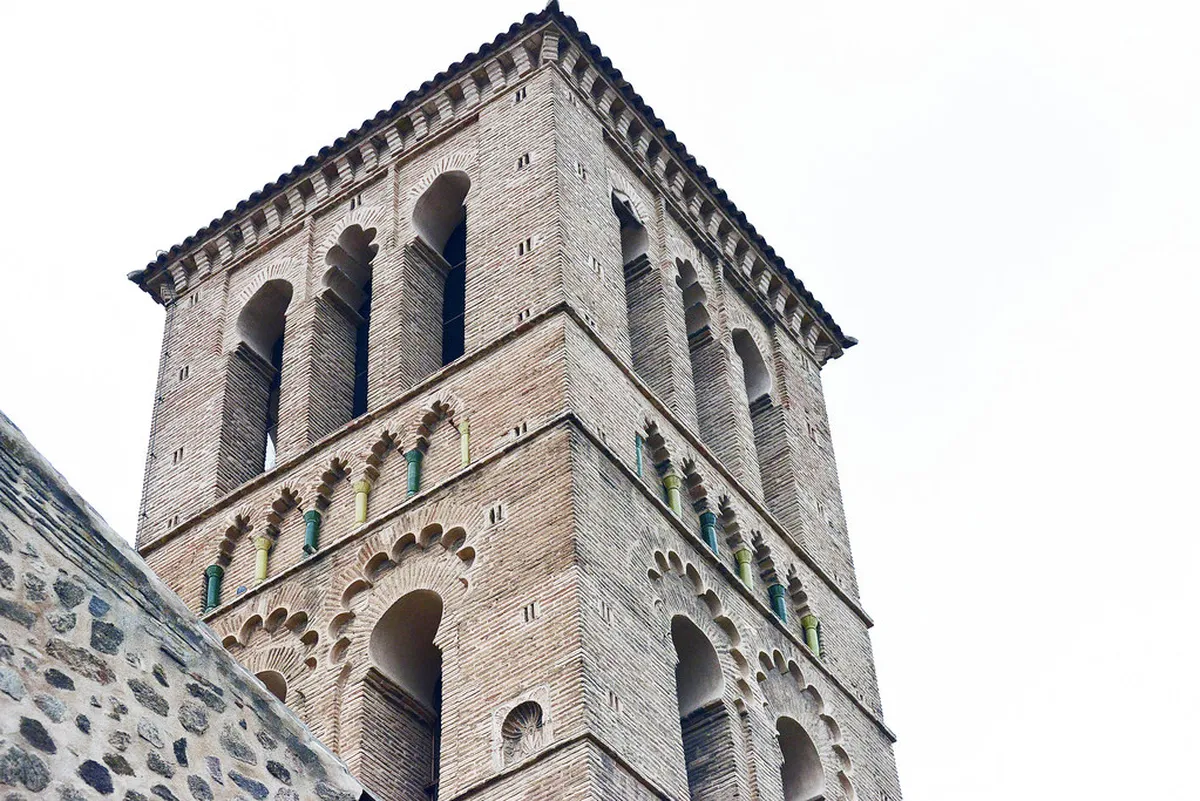
Table of Contents
Unveiling Toledo's Finest Mudejar Architecture Gems
Toledo, Spain, stands as a UNESCO World Heritage site. It boasts a rich tapestry of cultures and architectural styles. Among these, Mudejar architecture shines brightly. This unique style blends Islamic art with Christian design principles. Finding the best examples of Mudejar architecture in Toledo offers a captivating journey. You will explore a city where history truly comes alive. Our guide will help you discover these architectural marvels in 2025. Delve into the intricate details of this fascinating artistic fusion.
Mudejar art represents a significant historical period. It flourished after the Christian reconquest of Spain. Muslim craftsmen, known as Mudejars, applied their skills to Christian buildings. This created a distinctive and beautiful aesthetic. Understanding how to identify Mudejar style enriches your visit. Prepare to be amazed by Toledo's enduring architectural legacy.
Synagogue of Santa María la Blanca: A Mudejar Gem
The Synagogue of Santa María la Blanca is a prime example. It showcases exquisite Mudejar architecture in Toledo. This 12th-century structure was once a synagogue. Later, it was converted into a church. Its interior features a forest of horseshoe arches. These arches rest on delicate, white pillars. The whitewashed walls create a serene atmosphere.
Mudejar craftsmanship is evident in the intricate plasterwork. You will notice geometric and vegetal motifs. These designs adorn the capitals and friezes. The building's simplicity highlights its elegant forms. It offers a peaceful retreat from the bustling city. Consider it a must-see for architecture lovers.
Visiting information for 2025: It is located in the Jewish Quarter. Admission is typically around €3.00. Check their official website for current hours. This site provides deep insights into Mudejar synagogue design. It is a powerful symbol of Toledo's diverse past.
Walking through its halls reveals a unique blend of cultures. The absence of traditional religious iconography is striking. Instead, focus on the structural beauty. This makes it one of the best examples of Mudejar architecture. Its history and aesthetics are truly captivating.
El Transito Synagogue and Sephardic Museum
Another significant Mudejar site is El Transito Synagogue. It now houses the Sephardic Museum. This synagogue was built in the 14th century. Its patron was Samuel ha-Levi, King Pedro I's treasurer. The building boasts remarkable decorative plasterwork. These intricate designs cover the upper walls. They are considered some of the finest in Spain.
The main prayer hall is a masterpiece of Mudejar art. It features stunning epigraphic friezes. These inscriptions include verses from the Psalms and Hebrew prayers. They also contain dedications to its founders. The cedarwood ceiling is another impressive feature. It showcases exquisite craftsmanship and detail.
For your 2025 visit: The museum is open Tuesday to Saturday. It closes on Mondays. Entry is approximately €3.00, or free for EU citizens. You can find it near Santa María la Blanca. Explore its exhibits to learn about Jewish culture. This site offers context for Toledo's Mudejar heritage. It provides a deeper understanding of its history.
Pay close attention to the detailed stucco work. It exemplifies the Mudejar style perfectly. The geometric patterns are particularly striking. This synagogue shows the rich cultural exchange. It also highlights the artistic achievements of the time. It is an essential stop on any architectural tour of Toledo.
Mosque of Cristo de la Luz: Ancient Mudejar Roots
The Mosque of Cristo de la Luz holds immense historical value. It is one of Toledo's oldest structures. Originally built as a mosque in the 10th century. Later, it was converted into a church. This small but powerful building beautifully illustrates Mudejar evolution. It is one of the best examples of Mudejar architecture.
Its original Islamic part features a distinctive brick structure. You will see nine vaulted bays. Each bay has a unique design. After the reconquest, a Mudejar apse was added. This extension incorporates characteristic brickwork. It also includes blind arches and geometric patterns. These elements showcase the fusion of styles.
Visiting hours for 2025 are generally from 10:00 AM to 6:00 PM. Admission is around €3.00. It is located just inside the Bisagra Gate. This makes it easily accessible. Its small size allows for an intimate exploration. Understand the significant Islamic architectural influence present.
Look for the different types of arches within. The Visigothic influence is subtle. The later Mudejar additions are clear. This site tells a compelling story. It speaks of Toledo's continuous cultural layering. Do not miss this architectural time capsule.
Church of Santiago del Arrabal: Mudejar Tower
🌟 Local Expert Tip: Get the most out of your Toledo visit with guided tours!
The Church of Santiago del Arrabal stands proudly. It features a magnificent Mudejar tower. This church originated in the 12th century. It later saw significant Mudejar additions. Its tower, in particular, showcases stunning brickwork. The design incorporates intricate geometric patterns. These are characteristic of the Mudejar style.
The church's exterior also presents horseshoe arches. These are integrated into its facade. This creates a distinct visual appeal. Its robust structure reflects the fortified architecture. Many Mudejar churches in Toledo share this characteristic. They blend defensive needs with beautiful artistry.
Entry to the church is usually free. Donations are appreciated. Located near the Puerta del Sol, it is easy to find. Take time to admire the craftsmanship of its tower. It provides a superb example of Mudejar church architecture. Its unique design stands out among Toledo's many religious buildings.
Observe the decorative brick motifs closely. These details are a hallmark of Mudejar construction. They show how Islamic techniques were adapted. This church is often less crowded. It offers a more tranquil viewing experience. It truly highlights the Mudejar legacy. Discover more about Toledo's diverse architecture here.
Mudejar Elements in the Alcázar of Toledo
While largely a Renaissance fortress, the Alcázar of Toledo contains Mudejar traces. Its history spans Roman, Visigothic, and Islamic periods. The current structure primarily reflects 16th-century rebuilding. However, keen observers can find earlier elements. These hints speak to its deep architectural past.
Some inner courtyards and foundational structures hint at Mudejar design. The use of brick and certain arch forms are subtle indicators. These features reflect the building practices of the time. They highlight the enduring influence of Mudejar craftsmen. Even in grander, later styles, Mudejar roots persist. The Alcázar offers a blend of historical periods.
The Alcázar houses the Army Museum. It is open most days, usually from 10:00 AM to 5:00 PM. Admission is around €5.00. Look for details on their website for 2025 schedules. While not a purely Mudejar building, its history is connected. Explore the various layers of Alcázar architecture. You might uncover hidden Mudejar influences.
Consider how different eras built upon each other. The integration of styles is a key theme in Toledo. Mudejar influence often lies beneath newer facades. This grand fortress remains a symbol of Toledo. It reminds us of its complex architectural journey. Seek out these subtle nods to Mudejar artistry.
San Román Church: Towering Mudejar Beauty
💡 Pro Tip: Book your Toledo adventures in advance through Viator for the best deals!
The Church of San Román is another striking example. It features a prominent Mudejar tower. This church, built on a former mosque, showcases early Mudejar style. Its bell tower is particularly renowned. It exhibits the characteristic brickwork and horseshoe arches. These are signature elements of Toledo's Mudejar architecture.
Inside, the church houses the Council of Toledo Museum. You will find Visigothic and Mudejar art collections. The interior also features stunning Mudejar plasterwork. It has painted murals that reflect diverse influences. The columns and arches create an impressive space. This makes it a significant cultural site.
For 2025, the museum is typically open Tuesday to Saturday. It usually runs from 10:00 AM to 2:00 PM. There is often a small entrance fee. Located centrally, it is easy to access. This church is a fantastic place to observe Toledo's architectural beauty. It offers insight into Mudejar building techniques.
Take time to appreciate the blend of styles within. The Visigothic foundations complement the Mudejar additions. This fusion makes San Román truly unique. It serves as a testament to Toledo's rich history. It is definitely among the best examples of Mudejar architecture in Toledo. Do not miss its captivating charm.
Frequently Asked Questions
What makes Mudejar architecture unique in Toledo?
Mudejar architecture in Toledo is unique. It seamlessly blends Islamic, Christian, and Jewish artistic traditions. Muslim craftsmen built structures for Christian patrons. They used traditional materials like brick and plaster. Distinctive elements include horseshoe arches and geometric patterns. This fusion created a truly original style. It reflects the city's multicultural past.
The intricate plasterwork and detailed tile designs are characteristic. Many buildings show a fascinating layering of cultures. Toledo’s rich history is visible in every arch. You can learn more about its distinct features here. These examples are found nowhere else.
Are there any free Mudejar sites to visit in Toledo?
Many Mudejar sites in Toledo charge a small entrance fee. However, some church exteriors can be appreciated for free. The Church of Santiago del Arrabal's exterior is freely viewable. You can admire its impressive Mudejar tower. Walking through the Jewish Quarter also reveals Mudejar elements. Look for intricate doorways and courtyards. Some of Toledo's hidden courtyards might be freely accessible.
Consider also exploring the city walls. They incorporate Mudejar building techniques. A stroll across the city allows you to spot details. Look for brick arches and decorative patterns. These are visible on many historic buildings. You can find many free architectural sights if you know where to look.
How can I best plan a Mudejar architecture tour in Toledo?
Planning a Mudejar architecture tour is straightforward. Start with a map of Toledo's historic center. Group sites geographically to save time. The Jewish Quarter contains several key Mudejar synagogues. The Mosque of Cristo de la Luz is nearby. Consider purchasing a Toledo Tourist Card. This can offer discounted entry to multiple sites. Wear comfortable shoes for walking on cobbled streets.
Allow at least a full day, or even two. This ensures you can explore thoroughly. Use a Toledo architecture walking map. Look into guided tours for expert insights. Many companies offer specialized Mudejar tours. Booking tickets online beforehand saves time. This is especially true during peak season in 2025.
Toledo's Mudejar architecture is a breathtaking testament. It showcases a rich history of cultural coexistence. From ancient synagogues to magnificent churches, each site tells a story. These best examples of Mudejar architecture in Toledo offer deep insights. They reveal the enduring legacy of skilled craftsmen. Plan your visit to explore these fascinating buildings.
Experience firsthand the beauty of fusion architecture. Toledo truly invites you to step back in time. Discover this unique blend of artistic traditions today. Your architectural journey awaits in 2025. Begin planning your unforgettable Toledo adventure now.
Key Takeaways
- Toledo's Mudejar architecture blends Islamic and Christian art.
- Visit Santa María la Blanca and El Transito Synagogues for iconic examples.
- Explore the Mosque of Cristo de la Luz for ancient Mudejar roots.
- Look for Mudejar elements in churches like Santiago del Arrabal and San Román.
- Plan your 2025 visit using a walking map or guided tour for the best experience.