
Guide to Brickwork and Masonry in Toledo, Spain
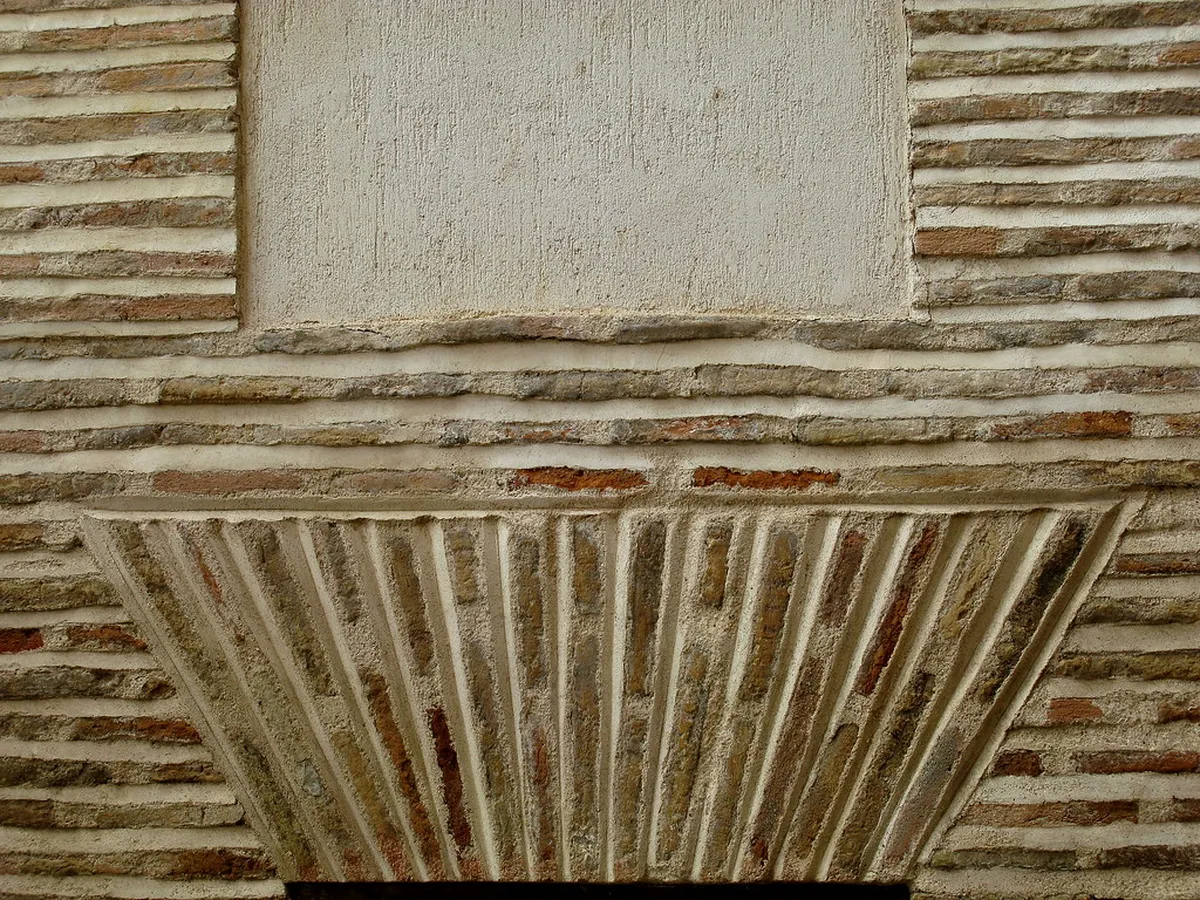
Table of Contents
Uncovering Toledo's Rich Brickwork and Masonry Heritage
Toledo, Spain, stands as a living museum. Its ancient streets tell stories through stone and brick. Understanding Toledo's brickwork and masonry reveals centuries of history. This guide explores the foundational building techniques. Prepare to discover the artistry behind its iconic structures in 2025. Explore Toledo's architecture marvels. Learn about traditional building materials used here.
Ancient Foundations: Roman and Visigothic Masonry
Toledo's history stretches back millennia. Early inhabitants left their marks on the landscape. Roman engineers introduced sophisticated construction methods. Their influence is visible in foundational structures today. Many building techniques form Toledo’s original urban fabric.
Visigothic builders later adapted these Roman practices. They often repurposed materials from older Roman sites. Evidence of Visigothic remains can be found discreetly. These remnants often appear in church foundations or hidden walls. Discover more about Visigothic remains on your journey.
The city's earliest layers feature robust stone masonry. Large, irregular stones were tightly fitted together. This strong construction style supported ancient settlements. You can still see this heavy stonework in some city sections. It speaks volumes about Toledo's resilient past.
Exploring these ancient layers offers unique insights. Look closely at the lower parts of old city walls. You might spot these distinctive early building styles. Understanding these roots helps appreciate later developments. It highlights the deep historical layers of Toledo. Visitors in 2025 can still trace these ancient footsteps. Learn more about Toledo's characteristic stone. You can also visit Roman ruins near Toledo.
Mudejar Masterpieces: The Art of Brick in Toledo
The Mudejar style truly defines Toledo's brickwork. This unique architectural blend emerged after the Reconquista. Christian builders incorporated Islamic craftsmanship. It created stunning patterns using humble bricks. The result is both intricate and incredibly beautiful.
Mudejar brickwork often features decorative arches. Intricate geometric motifs also adorn many facades. These designs showcase the skilled hands of Mudejar artisans. They transformed simple bricks into complex works of art. This style became synonymous with Toledo's identity.
One prime example is the Mosque of Cristo de la Luz. Its brick arches and patterns are captivating. This ancient mosque perfectly illustrates Mudejar techniques. It offers a glimpse into Toledo's multicultural past. Explore the Cristo de la Luz Mosque in person.
Another notable example is the Synagogue of Santa María la Blanca. While primarily stone, it features brick accents and horseshoe arches. This showcases the blend of cultures within Toledo. The building demonstrates how different traditions merged. Its interior brickwork is truly remarkable. Learn more about Mudejar architecture in Toledo. The profound Islamic architectural influence is clear.
Toledo's Defenses: Mighty Walls and Strategic Masonry
Toledo's strategic location required strong defenses. The city walls are a testament to this need. They feature impressive brickwork and masonry techniques. Different eras contributed to their construction. This created layers of history in the fortifications.
The outer walls incorporate robust stone blocks. These provided formidable protection against invaders. Sections show Roman, Visigothic, and Arab influences. Later additions strengthened these initial structures. The city walls of Toledo are a historical timeline.
Look closely at the various towers and gates. You will notice a blend of materials. Stone forms the sturdy base, while brick fills the upper sections. This combination offered both strength and flexibility. The craftsmanship ensured lasting resilience. Consider exploring a self-guided architecture route to appreciate these details.
The Alcázar of Toledo is another defensive masterpiece. While rebuilt many times, its core relies on strong masonry. Its commanding position speaks to its strategic importance. The building reflects various architectural styles. Learn about the Alcázar of Toledo design. Also, admire Toledo’s historic bridges, built with exceptional masonry.
Modern Preservation and Restoration in 2025
💡 Pro Tip: Book your Toledo adventures in advance through Viator for the best deals!
Preserving Toledo's architectural heritage is crucial. Modern techniques support ancient structures. Conservationists work tirelessly to maintain buildings. They use traditional methods combined with new science. This ensures the longevity of Toledo's unique look.
Restoration projects in 2025 focus on authenticity. Specialists carefully repair brickwork and masonry. They aim to match original materials and techniques. This painstaking work prevents further deterioration. It keeps Toledo's historical integrity intact. Learn more about Toledo building restoration.
Protecting the city's status is also important. Toledo is a UNESCO World Heritage Site. This designation highlights its global significance. It brings funding and international attention. This support helps safeguard its unique architecture. The entire city benefits from this recognition. Discover more about Toledo as a UNESCO Heritage Site.
Visitors can appreciate these efforts firsthand. Notice the refreshed facades and stable structures. This careful work allows future generations to experience Toledo. It ensures that its stories in brick and stone endure. The commitment to preservation is truly commendable. It makes Toledo a remarkable place to explore.
Frequently Asked Questions
What are common materials used in Toledo's historic buildings?
Toledo's historic buildings primarily use local stone and brick. Limestone, often reddish, is very common. You will also see extensive use of fired clay bricks. These materials create the city's distinctive aesthetic. They define the unique character of Toledo.
Where can I see the best examples of Mudejar brickwork in Toledo?
Excellent Mudejar brickwork is visible at the Cristo de la Luz Mosque. The Synagogue of El Tránsito also features beautiful details. Explore the Church of Santiago del Arrabal. These sites showcase stunning Mudejar artistry. Consider a self-guided architecture route to find them.
Are there any distinctive tile elements related to Toledo's masonry?
While not strictly masonry, Toledan azulejo tiles often complement brickwork. These glazed ceramic tiles add color and detail. They are frequently found in courtyards and along building edges. Explore the history of Toledan azulejo tile. They are a beautiful addition to the city's architecture.
What role does brickwork play in Toledo's Gothic architecture?
Toledo's Gothic architecture primarily uses stone. However, brick sometimes appears in less prominent areas. It might be used for infill or secondary structures. The main elements of Gothic cathedrals are stone. Brick often adds support in hidden sections.
Toledo's brickwork and masonry offer a captivating journey. They tell tales of Roman, Visigothic, and Mudejar heritage. Every wall and arch holds centuries of stories. This guide helps appreciate the city's intricate beauty. Plan your exploration of these architectural wonders. Consider booking one of the best Toledo architecture tours. Visit ArchitectTourist.com for more travel insights.
Key Takeaways
- Toledo's architecture blends Roman, Visigothic, and Mudejar influences.
- Mudejar brickwork creates stunning geometric patterns and decorative arches.
- The city walls and Alcázar showcase centuries of defensive masonry techniques.
- Modern preservation efforts maintain Toledo's UNESCO World Heritage status.