
Zocodover Square Architecture History in Toledo, Spain
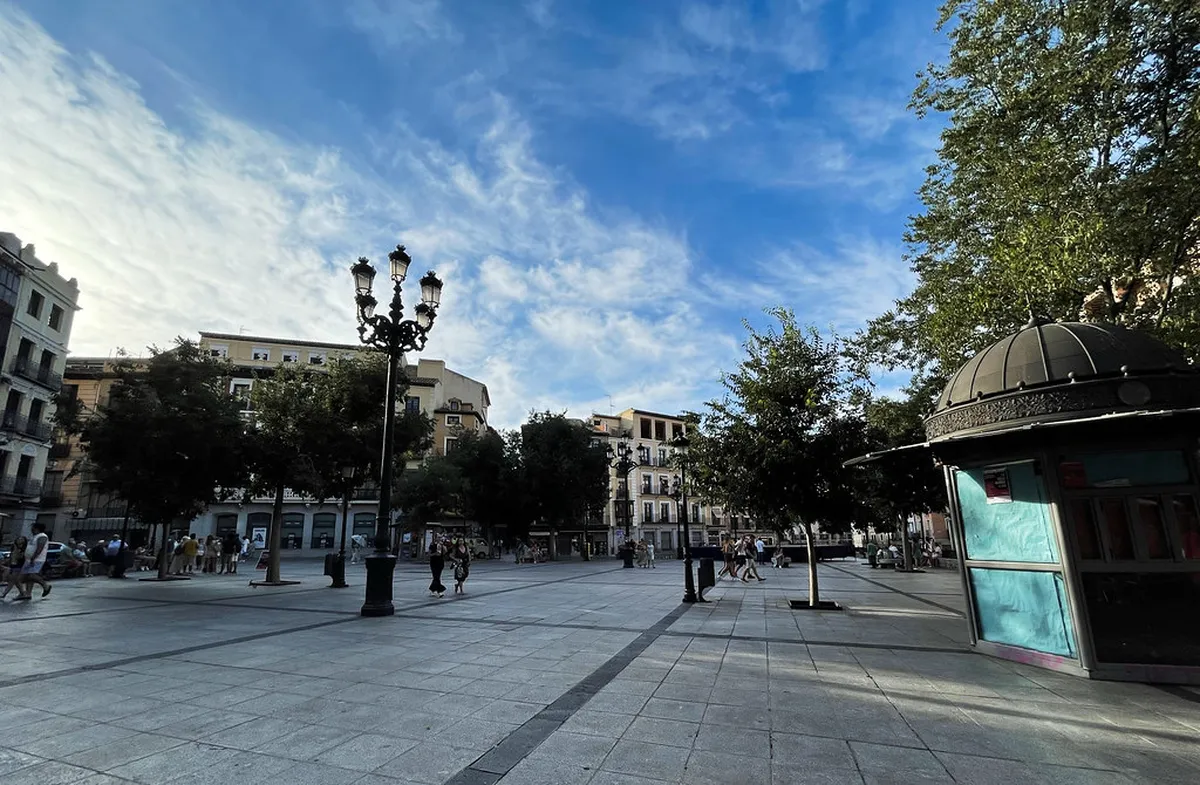
Table of Contents
Unveiling the Architectural History of Plaza de Zocodover
Plaza de Zocodover stands as Toledo's vibrant heart. This historic square has witnessed centuries of change. Its unique architectural history of Plaza de Zocodover tells a fascinating story. You can trace influences from various cultures here. This guide explores the diverse styles shaping its appearance.
Understanding Zocodover's past enhances your visit in 2025. It reveals the layers of its design and purpose. Discover how this iconic public space evolved. Dive into the captivating Toledo architecture guide. Let's uncover the secrets held within its ancient stones.
Moorish Legacy: Zocodover's Ancient Origins
Plaza de Zocodover dates back to Moorish times. Its name originates from Arabic, 'souk-ad-dawabb'. This means 'market of beasts of burden'. It was a vital trading hub for livestock and goods. This early function shaped its initial layout.
The square served as a vibrant marketplace for centuries. Merchants brought their wares from afar. Animals were traded daily in this bustling area. The original structures were likely less formal. They reflected practical market needs.
Toledo's Islamic period left indelible marks. Many early buildings showed Islamic architectural influence. These designs often featured simple, functional forms. They focused on utility for trade and daily life. You can still feel this ancient spirit when you visit.
Renaissance Rebirth: Herrera's Grand Vision
The 16th century brought a significant transformation. King Philip II commissioned a grand redesign. The renowned architect Juan de Herrera took charge. He was also responsible for El Escorial's design.
Herrera envisioned a proper Renaissance plaza. He created a rectangular, uniform space. This design followed classical architectural principles. Porticoes lined the square, providing shade. They offered sheltered areas for market stalls and gatherings.
This major reconstruction gave the square its definitive shape. It became a model for other Spanish plazas mayores. Herrera's influence brought symmetry and order. The Toledo Renaissance buildings around Zocodover reflect this style. This period truly defined the Zocodover Square architecture.
The square's new form accommodated public spectacles. Bullfights, festivals, and royal proclamations occurred here. This grand design elevated Zocodover's status. It became the city's main civic and social stage. Consider exploring the Alcázar of Toledo's design nearby for more Herrera connections.
Key Architectural Features and Evolution
Zocodover boasts several distinct architectural features. The arcaded galleries are a prime example. These arches provide shelter and a unified aesthetic. They invite visitors to stroll and observe.
The surrounding buildings have evolved over time. While some retain Renaissance facades, others show later changes. Fires and rebuilding efforts have led to variations. Yet, the core Herrera layout remains intact.
The central monument to Miguel de Cervantes adds another layer. It commemorates the famous Spanish writer. He described Toledo and Zocodover in his works. This statue grounds the square in literary history.
To truly appreciate the square, look closely. Notice the harmonious blend of styles. From Moorish roots to Renaissance grandeur, it is all present. Discover the key buildings to see in Zocodover Square. It offers a living lesson in architectural adaptation.
Zocodover Today: A Living Historic Landmark
🎯 Insider Tip: Discover the best Toledo experiences with Viator Tours!
Today, Zocodover remains Toledo's bustling heart. It serves as a central meeting point. Tourists and locals alike gather here daily. The square is still surrounded by shops and cafes.
The buses to the Mirador del Valle depart from here. This offers stunning panoramic views of Toledo. Many best Toledo architecture tours begin in this iconic plaza. It's the perfect starting point for your exploration.
Visiting in 2025 offers a chance to connect with history. Imagine the centuries of activity within these walls. The architectural details tell a story. Pay attention to the facades and column designs. You can capture great moments through Toledo architecture photography here.
Frequently Asked Questions
What is the primary architectural style of Plaza de Zocodover?
The primary architectural style of Plaza de Zocodover is Renaissance. This comes from Juan de Herrera's 16th-century redesign. He introduced classical elements like arcades and a symmetrical layout. Earlier Moorish influences are also present in its origins. This blend reflects Toledo's diverse past.
How did Zocodover Square get its unique name?
Zocodover Square gets its name from Arabic. It is derived from 'souk-ad-dawabb'. This phrase translates to 'market of beasts of burden'. The square historically served as a vital animal market. This name reflects its ancient trading function. Discover more about Zocodover Square architecture.
Can I find examples of Mudejar architecture near Zocodover?
While Zocodover itself is largely Renaissance, you can find Mudejar architecture nearby. Toledo is famous for its unique Mudejar style. This blends Christian and Islamic art forms. Explore the rich Mudejar architecture in Toledo during your visit. Many religious buildings showcase this stunning fusion. It is a true testament to Toledo's diverse heritage.
Plaza de Zocodover offers a compelling journey through time. Its architectural history reflects Toledo's diverse past. From Moorish markets to Renaissance grandeur, its story is rich. Every arch and facade tells a tale. Consider taking a self-guided architecture route to appreciate it fully.
Planning your visit in 2025 will be rewarding. Immerse yourself in this vibrant, historic square. Let its architectural layers transport you. Zocodover is more than a plaza; it's a living museum. Explore all the wonders of Toledo, a UNESCO heritage site.
Key Takeaways
- Zocodover's name comes from Arabic, meaning 'market of beasts of burden'.
- Juan de Herrera redesigned the square in the 16th century in Renaissance style.
- The plaza showcases a blend of Moorish origins and later classical influences.
- Look for the arcaded porticoes and the Cervantes monument during your visit.
- Zocodover serves as Toledo's main hub and a gateway to exploring the city.