
Explore Zocodover Square Architecture in Toledo, Spain
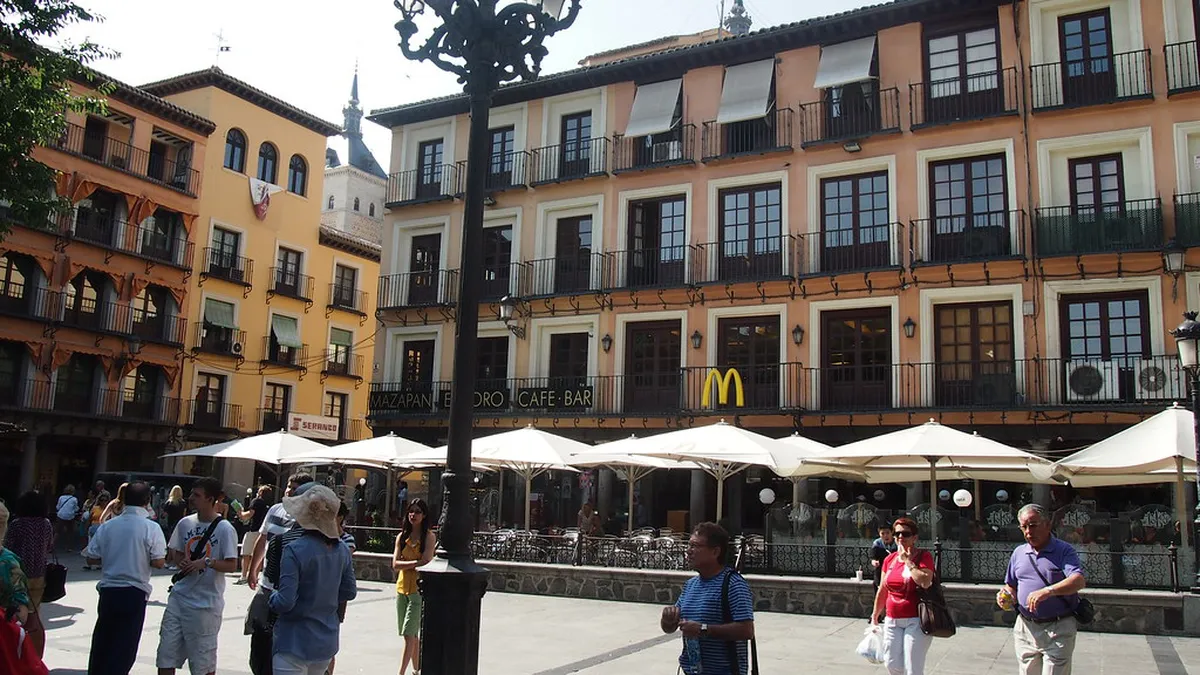
Table of Contents
Discover Toledo's Historic Zocodover Square Architecture
Toledo, Spain, holds countless architectural marvels. Among them, Zocodover Square architecture stands out. This historic plaza is Toledo's beating heart. It offers a fascinating glimpse into the city's past. From its ancient origins to modern use, Zocodover Square tells many stories.
Visitors in 2025 will discover layers of history here. Moorish, Renaissance, and Baroque influences are visible. This guide explores the unique architecture of this central hub. Prepare to immerse yourself in Toledo's captivating history. Find more about Toledo as a UNESCO Heritage Site.
The Enduring Legacy of Zocodover Square
Zocodover Square boasts a rich and complex history. Its name comes from Arabic 'sóco dovir', meaning 'market of beasts'. This square served as a central market for centuries. It was a vital commercial hub for Toledo. You can delve deeper into the architectural history of Plaza de Zocodover.
The square's shape changed significantly over time. It adapted to various needs and eras. Public executions, bullfights, and festivals all happened here. This activity shaped the surrounding buildings. The square's importance is undeniable.
Today, Zocodover functions as a meeting point. It is a vibrant space for locals and tourists. The constant flow of people adds to its charm. Its traditional Toledo building materials still define its character. Look closely at the facades for clues to its past.
Architectural Evolution: From Moorish to Renaissance
Toledo's complex history is reflected in Zocodover Square. The square originally had a more irregular layout. Moorish influences were prevalent in early designs. Many structures showed Islamic architectural styles. This was before the Reconquista.
The square underwent a significant redesign. Juan de Herrera, King Philip II's architect, led this project. Herrera was renowned for his austere Renaissance style. He also designed the Escorial. His work transformed Zocodover into a more regular, symmetrical space.
The 16th century saw the plaza take on its current form. Renaissance architecture became dominant around Zocodover. Elements include arcades and stone facades. These features created a grander, more orderly appearance. Explore other Toledo Renaissance buildings for comparison. Later Baroque influences also added decorative flourishes.
Key Structures: Arch of Blood and Casa de la Sangre
Two significant structures define the Zocodover Square architecture. The Arch of Blood (Arco de la Sangre) is one such example. It connects the square to Calle Cervantes. This arch dates back to Roman times. It later became part of a larger mosque.
The arch's current form shows later modifications. These include Mudejar and Renaissance additions. It once housed a chapel to Cristo de la Sangre. This historical depth makes it a fascinating sight. It's a key example of important buildings in Zocodover Square.
Next to the arch stands the Casa de la Sangre. This building once served as a hospital. Its façade blends different architectural periods. Look for its traditional Toledo brickwork. These structures offer a deep dive into local craftsmanship. They use Toledo's classic building materials.
Surrounding Gems: Alcázar and Other Notable Buildings
🎯 Insider Tip: Discover the best Toledo experiences with Viator Tours!
Zocodover Square acts as a gateway to other Toledo landmarks. The imposing Alcázar of Toledo sits on the highest hill. It overlooks the entire square. Its robust design reflects military architecture. Learn more about the Alcázar of Toledo design.
Other buildings surrounding the plaza showcase varied styles. Many feature typical Toledan balconies and ironwork. Some incorporate elements of Baroque architecture. These intricate details are worth observing.
The square provides excellent views of the city's unique skyline. You can see parts of the ancient city walls of Toledo. Look for distant church spires and historic rooftops. This panoramic perspective highlights Toledo's rich architectural tapestry.
Frequently Asked Questions
What architectural styles can you see at Zocodover Square?
Zocodover Square primarily displays Renaissance architecture. You will see arcades and symmetrical facades. Hints of earlier Moorish design are also present. Later Baroque elements add to its grandeur. This blend reflects Toledo's diverse history.
Are there specific landmarks to look for near Zocodover Square?
Absolutely. Don't miss the Arch of Blood and Casa de la Sangre. The massive Alcázar of Toledo stands proudly nearby. These structures are essential to the key buildings in Zocodover Square experience. Consider a self-guided architecture route to see them all.
What is the best way to experience Zocodover Square's architecture?
Walking around the square is the best way to explore. Take your time to notice small details. Join a guided Toledo architecture tour for deeper insights. Many tours start right from the square. Consider visiting in the morning for fewer crowds in 2025.
Zocodover Square architecture provides a captivating journey. It showcases Toledo's incredible historical layers. From ancient markets to Renaissance grandeur, its story unfolds. Every stone tells a tale of diverse cultures and changing eras. Plan your visit to this iconic Spanish plaza.
Experience the unique blend of styles firsthand. This plaza is a must-see for architecture lovers. For more detailed insights, check out our comprehensive Toledo architecture guide. Let Zocodover Square inspire your next architectural adventure.
Key Takeaways
- Zocodover Square showcases diverse architectural styles, primarily Renaissance.
- The Arch of Blood and Casa de la Sangre are key historical structures to observe.
- Allow ample time to wander and appreciate the square's intricate details and history.