
Key Features of Moorish Architecture in Seville for 2025
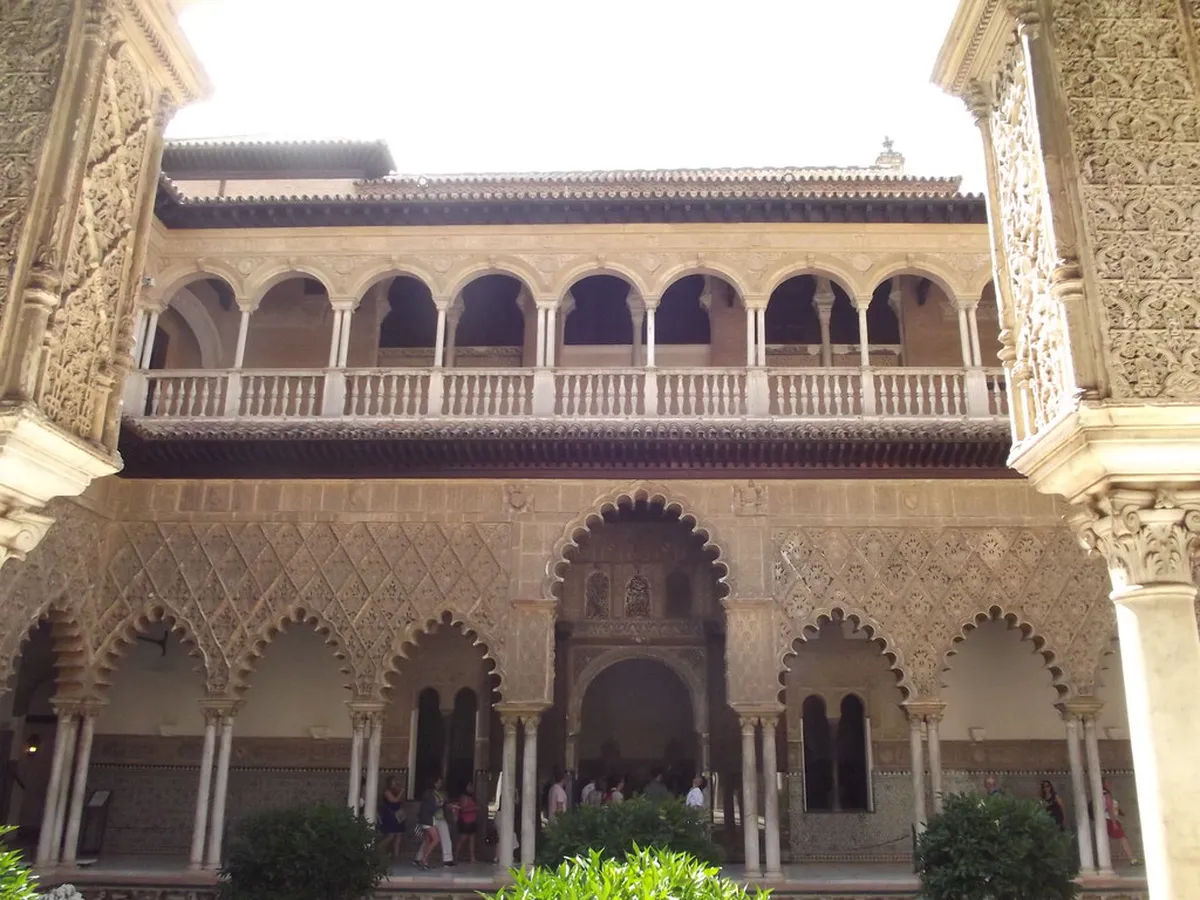
Table of Contents
Discovering Seville's Stunning Moorish Architectural Gems
Seville, a jewel of Andalusia, boasts a rich architectural heritage. Its stunning buildings tell tales of various cultures. Among these, Moorish architecture stands out prominently. This unique style shaped much of the city's identity. Understanding its key features reveals a fascinating history.
Moorish influence arrived with the Islamic conquest in 711 AD. This era lasted for over 500 years. It left an indelible mark on Seville's structures. Today, visitors can explore many breathtaking examples. Prepare to be amazed by Seville's Moorish architectural treasures. You can also dive deeper with a comprehensive Seville architecture guide.
Intricate Geometric Patterns and Arabesque Motifs
Moorish architecture is famous for its complex ornamentation. Geometric patterns cover surfaces in remarkable detail. These designs often feature stars, polygons, and interlocking shapes. They symbolize the infinite nature of God and the universe. You will see these patterns everywhere.
Calligraphy also plays a vital decorative role. Arabic script often adorns walls and arches. These inscriptions typically feature Quranic verses or praises. They add spiritual meaning to the architectural beauty. Look closely for these elegant textual elements.
The meticulous nature of these patterns is breathtaking. Artisans spent countless hours creating them. This dedication reflects a profound artistic tradition. Such intricate work defines the aesthetic of this period. It truly sets Moorish design apart.
Finding these patterns is easy across Seville. The Real Alcázar of Seville offers prime examples. Its palaces are a showcase of geometric and calligraphic artistry. Visitors in 2025 will be captivated by the detail.
Iconic Horseshoe Arches and Exquisite Plasterwork
The horseshoe arch is a defining feature of Moorish design. Its distinctive curve is instantly recognizable. These arches are wider than their supports. They create a graceful, welcoming entrance. Many historic buildings in Seville feature them.
Beyond structural use, arches are highly decorative. They are often framed by ornate plasterwork. This delicate carving is known as sebka or ataurique. It features floral motifs, vines, and geometric forms. This adds incredible depth and texture.
Plasterwork is another hallmark of Moorish artistry. Skilled craftsmen sculpted gypsum into intricate designs. These relief carvings often cover entire walls. They bring a sense of luxury and sophistication. The details are astonishing up close.
You can admire fantastic examples at Casa de Pilatos. This palace beautifully blends Moorish and Renaissance styles. Its courtyards showcase stunning plasterwork. Another notable site is the Casa de Pilatos, a must-see. These features highlight the exceptional skill involved.
Lush Courtyards, Water Features, and Serene Gardens
Moorish architecture prioritizes harmony with nature. Courtyards are central to many buildings. They provide light, ventilation, and a tranquil escape. These spaces serve as private oases from the city's bustle. They invite peaceful contemplation.
Water features are essential within these courtyards. Fountains, pools, and irrigation channels are common. Water provides cooling relief in Seville's hot climate. It also adds soothing sounds and reflective surfaces. The sound of trickling water enhances serenity.
Gardens within these courtyards are meticulously planned. They feature fragrant plants, fruit trees, and vibrant flowers. These elements create a sensory experience. They connect inhabitants with the natural world. Many Seville's historic courtyard gardens are open to the public.
The Patio de los Naranjos at Seville Cathedral is a prime example. This orange tree courtyard was once a mosque's ablution court. It showcases the enduring legacy of Moorish garden design. Explore Seville's famous patios for similar beauty. Many private homes also feature stunning inner gardens.
Vibrant Azulejo Tiles and Mudejar Influence in Seville
⭐ Recommendation: Don't miss out on amazing Seville tours - book now!
Azulejo tiles are another signature element of Moorish design. These glazed ceramic tiles display vivid colors. They are used for floors, walls, and decorative panels. The patterns range from simple geometric to complex arabesques. Azulejo tiles in Seville are a true art form.
These tiles offer both beauty and practicality. They keep interiors cool in summer months. Their smooth surfaces are also easy to clean. They bring life and vibrancy to any space. You'll find them almost everywhere you look.
The Mudejar style emerged after the Reconquista. It blends Moorish artistic elements with Christian architecture. Christian rulers often employed Moorish craftsmen. These artisans continued their traditional techniques. This created a unique and beautiful hybrid style.
Seville is a primary center for Mudejar architecture. Buildings like the Real Alcázar exemplify this fusion perfectly. The Alcázar was built for Christian kings. Yet, its intricate design is overwhelmingly Moorish. Discover more about Seville's Mudejar style on your trip. It represents a fascinating cultural blend.
The Giralda Tower: A Moorish Minaret Transformed
⭐ Recommendation: Don't miss out on amazing Seville tours - book now!
The Giralda Tower is an iconic symbol of Seville. It began its life as the minaret of the Great Mosque. This structure was built in the 12th century. Its original design showcases classical Almohad Moorish style. It served as a call to prayer for centuries.
After the Christian conquest, the mosque became a cathedral. The minaret was preserved and repurposed. A Renaissance bell tower was later added to its top. This blend creates a unique architectural masterpiece. It perfectly illustrates Seville's layered history.
The Giralda's intricate brick patterns are remarkable. These panels feature diamond-shaped designs. They demonstrate the sophisticated brickwork of the era. The tower is a testament to Moorish engineering. Its beauty remains undiminished over time.
Visitors can climb the Giralda for stunning city views. The ramps, not stairs, were designed for horses. This allowed the muezzin to reach the top easily. Learn more about the Giralda Tower's architecture and history. It's a key example of Moorish influence in 2025.
Frequently Asked Questions
What are the primary characteristics of Moorish architecture in Seville?
The primary characteristics include horseshoe arches and intricate geometric patterns. You will also see elaborate plasterwork and vibrant azulejo tiles. Courtyards with serene water features are also common. These elements create truly unique and beautiful spaces.
Where can I best experience Moorish architecture in Seville in 2025?
The Real Alcázar of Seville is the absolute best place. Its palaces are a spectacular showcase of Moorish design. The Giralda Tower and Casa de Pilatos also offer excellent examples. Consider a Seville architecture tour for expert insights. These tours often highlight hidden gems too.
Is Moorish architecture unique to Seville, or found elsewhere in Spain?
Moorish architecture is prominent in Seville, but also throughout Andalusia. Granada's Alhambra and Cordoba's Mezquita are famous examples. However, Seville has its own distinct Mudejar style. This fusion developed after the Christian reconquest. It makes Seville's examples particularly special. Discover more about best examples of Moorish design in Seville.
What is the difference between Moorish and Mudejar architecture?
Moorish architecture was created under Islamic rule. It strictly adheres to Islamic artistic traditions. Mudejar architecture blends Moorish elements with Christian styles. It emerged after the Christian Reconquista. Christian patrons often hired Moorish craftsmen. This created a unique and hybrid aesthetic.
Seville's Moorish architecture offers a breathtaking journey. Its key features create an atmosphere of wonder. From intricate patterns to serene courtyards, every detail tells a story. This unique heritage defines much of the city's charm. Plan your visit to explore these magnificent sites in 2025.
Do not miss the chance to witness these historical masterpieces firsthand. Book your tickets to Seville's landmarks in advance. Immerse yourself in the enduring legacy of Moorish design. You can also consider a self-guided walking tour to explore at your own pace.
Key Takeaways
💡 Pro Tip: Book your Seville adventures in advance through Viator for the best deals!
- Moorish architecture in Seville features intricate geometric patterns and calligraphy.
- Look for horseshoe arches, delicate plasterwork, and vibrant azulejo tiles.
- Courtyards with water features provide serene, cooling oases.
- The Mudejar style in Seville blends Moorish and Christian artistic traditions.
- The Real Alcázar and Giralda Tower are prime examples to visit in 2025.