
Architectural Photography: What Lens to Use in San Sebastián
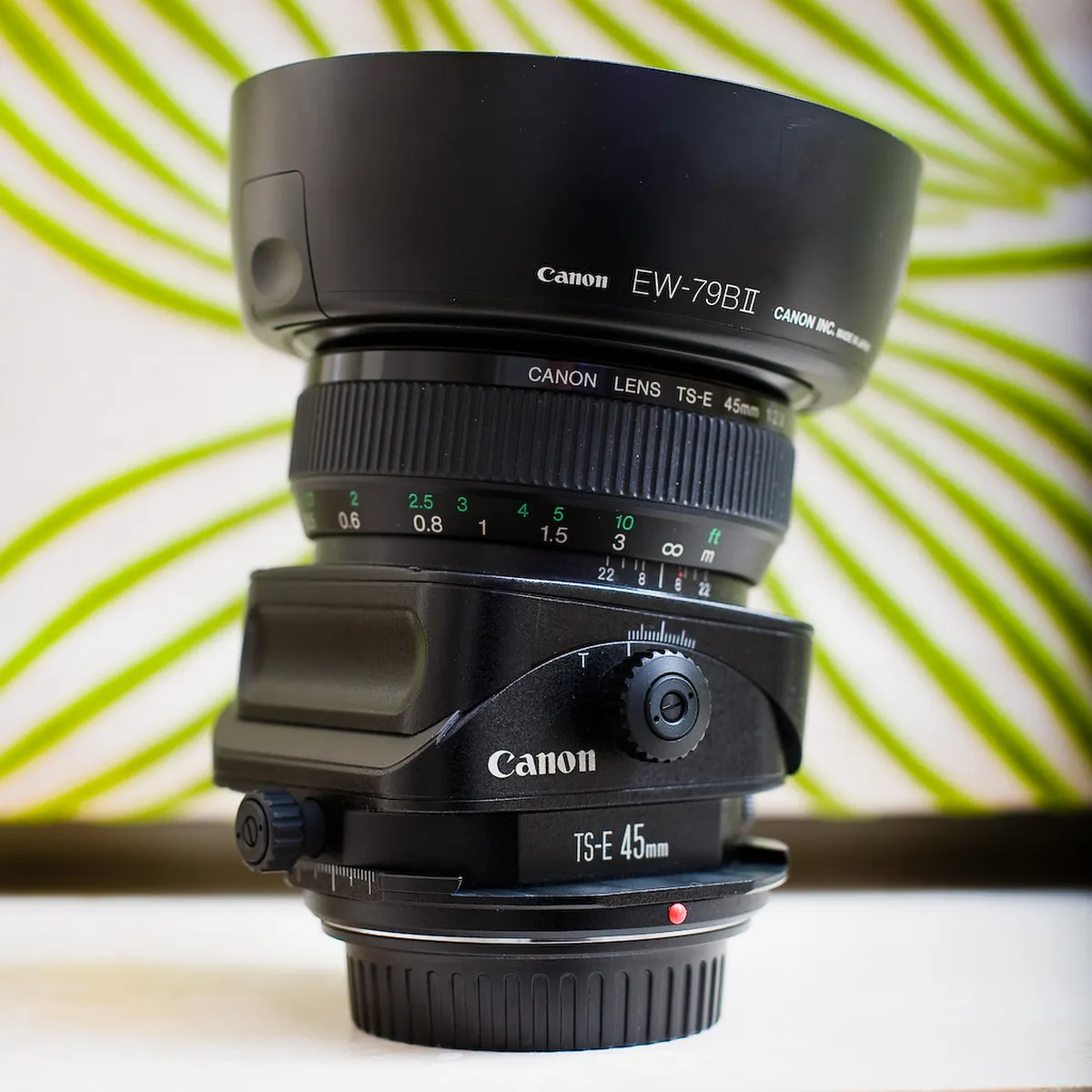
Table of Contents
Mastering Architectural Shots: Picking the Right Lens in San Sebastián
San Sebastián offers stunning architectural beauty. Capturing its charm requires the right camera gear. Understanding what lens to use for architectural photography is key. This guide helps you choose wisely for your 2025 trip. Explore San Sebastián's architecture with confidence. Learn expert architectural photography tips here.
Wide-Angle Lenses: Capturing San Sebastián's Grandeur
San Sebastián boasts many grand buildings. Wide-angle lenses help capture their full scale. They are ideal for sweeping cityscapes. This lens type makes structures appear impressive.
Lenses like a 16-35mm zoom work well. They encompass large facades effectively. Use them for structures like the Kursaal Palace. You can also capture entire street scenes.
Wide angles can introduce distortion. Keep your camera level to minimize this. Shoot from a distance when possible. This helps maintain straighter lines. Architectural photography tips often stress this.
The city's Belle Époque architecture benefits greatly. Capture the elegant sweeping curves. Frame entire plazas with ease. Wide lenses reveal their historical grandeur.
Tilt-Shift Lenses: Precision for Perfect Lines
Tilt-shift lenses are specialized tools. They offer unique perspective control. You can shift the lens plane vertically. This corrects converging vertical lines.
Architectural photos often suffer from distortion. Buildings appear to lean backward. Tilt-shift lenses keep lines perfectly parallel. They provide a professional, realistic look.
These lenses can be expensive to buy. Lens rentals are a great alternative. Software like Lightroom can also correct perspective. However, hardware solutions are often superior. Explore San Sebastián's modernist buildings with precision.
Capture San Sebastián's iconic buildings flawlessly. Get sharp images from corner to corner. Achieve stunning results with minimal post-processing. A tilt-shift lens is a worthy investment for pros.
Standard and Telephoto Lenses: Detail and Compression
A 50mm prime lens offers versatility. It provides a natural field of view. This lens is perfect for street architecture. It captures intricate building details well.
Telephoto lenses, like a 70-200mm, isolate subjects. They are excellent for capturing textures. Focus on specific patterns or facade elements. Use them for distant architectural features.
Telephoto lenses compress perspective. This creates unique visual effects. Distant objects appear closer together. Frame San Sebastián's beautiful bridges from afar. Capture striking compositions with ease.
Highlight the city's decorative ironwork. Zoom in on unique Basque balconies. These lenses reveal hidden architectural gems. They add depth and dimension to your portfolio.
Essential Lens Features for Architectural Photography
⭐ Recommendation: Don't miss out on amazing San Sebastian tours - book now!
Sharpness is paramount in architectural shots. Prime lenses often deliver superior clarity. Choose lenses known for their optical quality. This ensures crisp details in your photos.
A wide aperture (e.g., f/2.8) is not always needed. Architectural shots usually require a deep depth of field. Shoot at f/8 to f/11 for optimal sharpness. This keeps the entire building in focus.
Image stabilization reduces blur. It is very helpful for handheld shooting. This feature is crucial in low-light conditions. Many modern lenses include this technology.
Consider the lens's weight and size for travel. You will carry your gear across San Sebastián. A lighter kit allows more comfortable exploration. Plan your routes with a self-guided architecture map. Understanding San Sebastián's urban development can help you plan too. Your back will thank you on long photo walks.
Practical Lens Selection for San Sebastián
Match your lens to the subject you're shooting. A wide-angle is best for grand facades. A telephoto excels at intricate details. Your choice depends on your creative vision.
San Sebastián's light changes throughout the day. Consider lenses with good low-light performance. Faster apertures (lower f-numbers) gather more light. This is useful for dawn or dusk photography.
Lens rentals are a smart option for 2025. Try out different focal lengths before buying. This helps you discover your preferences. It also saves money on expensive gear. Plan your shots at San Sebastián's best photo spots.
A versatile kit includes a wide-angle and a mid-range zoom. This combination covers most architectural scenarios. It minimizes lens changes while shooting. You can efficiently capture the Centro Romántico's charm. Be ready for any photographic opportunity.
Frequently Asked Questions
What is the single best lens for architectural photography?
A wide-angle zoom (16-35mm) is most versatile. It captures broad views effectively. Consider a modernist building's full facade. It helps avoid distortion with careful composition.
Do I really need a tilt-shift lens for architecture in San Sebastián?
Not always, but it is ideal. Tilt-shift lenses correct converging lines perfectly. They are perfect for Belle Époque buildings. Software can often fix perspective distortion too.
How can I minimize lens distortion in my photos of San Sebastián?
Shoot level with your subject. Use a tripod for precise framing. Wide-angle lenses can distort if tilted upwards. Post-processing software helps correct minor issues. Capture Centro Romántico architecture with care.
Choosing what lens to use for architectural photography significantly impacts your results. San Sebastián's diverse architecture deserves proper capture. Consider wide-angle, tilt-shift, or telephoto lenses for your 2025 trip. Plan your shots at San Sebastián's best photo spots. Enhance your architectural journey through this beautiful city.
Key Takeaways
- Wide-angle lenses are essential for grand structures and cityscapes.
- Tilt-shift lenses offer unparalleled precision for correcting building lines.
- Standard and telephoto lenses excel at capturing intricate details and compressing scenes.
- Prioritize lenses with excellent sharpness and consider image stabilization.
- Match your lens choice to the specific architectural subject and lighting conditions.