
Explore San Sebastián's Belle Époque Architecture
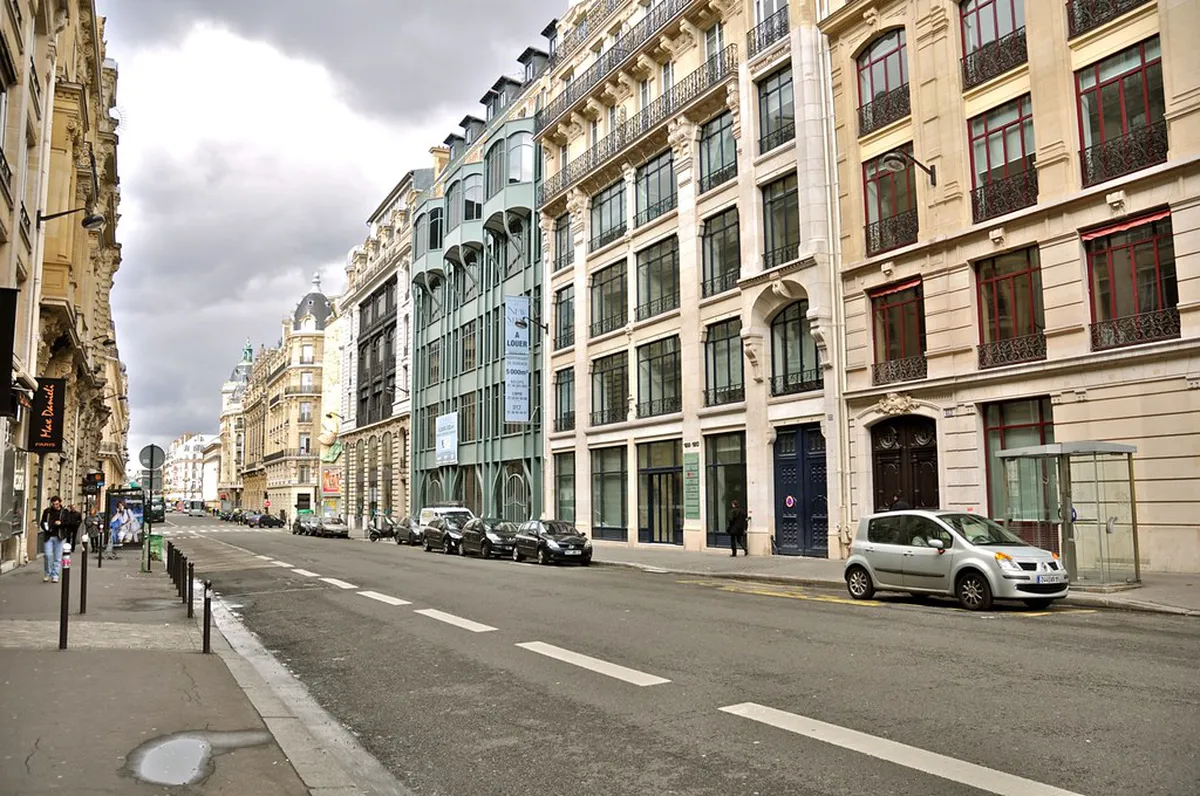
Table of Contents
San Sebastián: A Guide to Belle Époque Architecture in 2025
San Sebastián offers a captivating journey back in time. Its stunning Belle Époque architecture defines the city's unique charm. This elegant style transformed San Sebastián into a premier European resort. Visitors in 2025 can still admire its magnificent legacy.
This guide will help you uncover these beautiful structures. You will learn about their history and discover key examples. Prepare to explore the grandeur of a bygone era. Discover more about San Sebastián's overall architecture here.
The Golden Age: What is Belle Époque Architecture?
The Belle Époque, or 'Beautiful Era,' spanned from 1871 to 1914. It was a period of peace, prosperity, and artistic innovation. This era greatly influenced architecture across Europe. San Sebastián embraced this style wholeheartedly.
Belle Époque buildings often feature ornate facades. They boast intricate ironwork and grand proportions. Large windows and decorative balconies are common. The style reflects a sense of luxury and optimism. Learn more about the key features of Belle Époque style.
San Sebastián became a royal summer retreat during this time. Queen María Cristina's patronage attracted high society. This influx of wealth fueled extensive urban development. French architectural trends heavily influenced the city's new look. Explore the French architectural influence in San Sebastián.
Iconic Belle Époque Buildings to Discover
San Sebastián proudly showcases several magnificent Belle Époque structures. The Hotel María Cristina stands as a prime example. Opened in 1912, it embodies luxury and classical elegance. Its location by the Urumea River adds to its grand appeal.
Next door, the Victoria Eugenia Theatre is equally impressive. Completed in 1912, it hosts major cultural events. Its neo-Plateresque facade is truly remarkable. Discover the history of the Victoria Eugenia Theatre.
The Miramar Palace offers breathtaking views of La Concha Bay. This former royal summer residence features English cottage influences. It was built between 1888 and 1893. The palace grounds are perfect for a leisurely stroll. Read an architectural guide to Miramar Palace for your visit.
These buildings are not just historical sites. They are living testaments to San Sebastián's past. Their grandeur continues to define the city's identity. They offer a glimpse into a time of opulence. Visiting these sites is a must for any architecture enthusiast.
A Stroll Through the Centro Romántico District
The Centro Romántico district is San Sebastián's Belle Époque heart. It features a meticulously planned grid system. Wide boulevards and elegant buildings fill this area. This district emerged from a significant urban expansion in the late 19th century. Its design offers a cohesive architectural experience.
Start your walk along Alameda del Boulevard. Observe the uniform sandstone facades. Many buildings here display beautiful wrought-iron balconies. These balconies often feature floral motifs. The rhythmic repetition creates a harmonious streetscape. Learn more about the Centro Romántico's distinct architecture.
Don't miss the Plaza de Gipuzkoa. It is surrounded by impressive Belle Époque structures. The Provincial Council building is particularly notable. Its intricate details showcase the era's craftsmanship. The nearby bridges over the Urumea River also reflect this period. Many of them feature elegant lampposts and balustrades. Check out the most beautiful San Sebastián bridges.
Explore the smaller side streets. You will find charming residential buildings. Many boast unique architectural flourishes. Pay attention to the doorways and window frames. These often hide beautiful Art Nouveau details. Discover Art Nouveau details in the city.
Beyond the Grandeur: Exploring Hidden Details
🎯 Insider Tip: Discover the best San Sebastian experiences with Viator Tours!
While grand buildings capture attention, smaller details tell a deeper story. Many Belle Époque elements adorn everyday structures. Look for decorative ironwork above shopfronts. These often feature intricate patterns. Ornamental grilles and railings add subtle elegance.
Residential buildings throughout the city showcase unique features. Many apartments have enclosed balconies called 'miradores.' These often feature glass and wood construction. They are characteristic of the region. These enclosures offer protection from the elements. Explore unique Basque balcony designs.
The materials used also reflect the era. San Sebastián's distinctive sandstone gives buildings a warm hue. This material weathers beautifully over time. It contributes to the city's coherent aesthetic. The consistency in materials ties the urban fabric together. Learn about San Sebastián's sandstone buildings.
Take your time to observe these smaller touches. They reveal the widespread influence of Belle Époque design. Even seemingly ordinary buildings hold architectural treasures. Discovering these hidden gems makes for a rewarding experience. Find out where to spot hidden architectural gems.
Planning Your Belle Époque Architectural Tour (2025)
Visiting San Sebastián in 2025 provides an excellent opportunity. The best times to visit are spring (April-June) or fall (September-October). The weather is pleasant then. Crowds are also much smaller than in peak summer months. This allows for more relaxed exploration.
Consider a self-guided tour with a map for flexibility. Many resources provide routes highlighting key buildings. You can move at your own pace. This is ideal for photography enthusiasts. Utilize a self-guided architecture map for ease.
Alternatively, guided architectural tours offer expert insights. A local guide can reveal fascinating stories. They share details you might otherwise miss. These tours often focus on specific periods or areas. Review options for guided architecture tours before you go.
Remember to wear comfortable shoes. Many beautiful areas are best explored on foot. Allow plenty of time to linger and admire the details. Don't rush through these architectural masterpieces. Plan a visit to the Hotel María Cristina for a coffee or drink, experiencing its grandeur firsthand.
Frequently Asked Questions
What defines Belle Époque architecture in San Sebastián?
Belle Époque architecture in San Sebastián is known for its grandeur. It features ornate facades and intricate ironwork. Common elements include large windows, balconies, and rich decorative details. These buildings often reflect a sense of luxury. They often use the city's distinctive sandstone. Discover more about the key features of Belle Époque style.
Where can I find the best examples of Belle Époque buildings?
The Centro Romántico district is ideal for Belle Époque exploration. Iconic examples include the Hotel María Cristina and Victoria Eugenia Theatre. Miramar Palace also showcases this elegant style. Many buildings along the Urumea River and in the Gros neighborhood exhibit these features. See the best examples of Belle Époque buildings.
Are there guided tours for San Sebastián's Belle Époque sites?
Yes, several companies offer guided architectural tours in San Sebastián. These tours often focus on the Belle Époque era. They provide historical context and insights into specific buildings. Booking in advance is recommended, especially during peak season. You can find reviews of guided architecture tours online to help plan your visit.
San Sebastián's Belle Époque architecture remains a timeless treasure. It reflects a period of prosperity and artistic expression. The city's elegant buildings tell a compelling story. They invite you to step into a luxurious past.
Make sure to dedicate time to explore these beautiful structures in 2025. Each building offers a unique glimpse into history. Your journey through San Sebastián's grand past awaits. Start planning your unforgettable architectural adventure today on Architect Tourist.
Key Takeaways
- San Sebastián's Belle Époque architecture defines its unique charm.
- Visit Hotel María Cristina, Victoria Eugenia Theatre, and Miramar Palace.
- Stroll through the Centro Romántico for a comprehensive architectural experience.