
Iconic Buildings in San Sebastián: An Architectural Tour
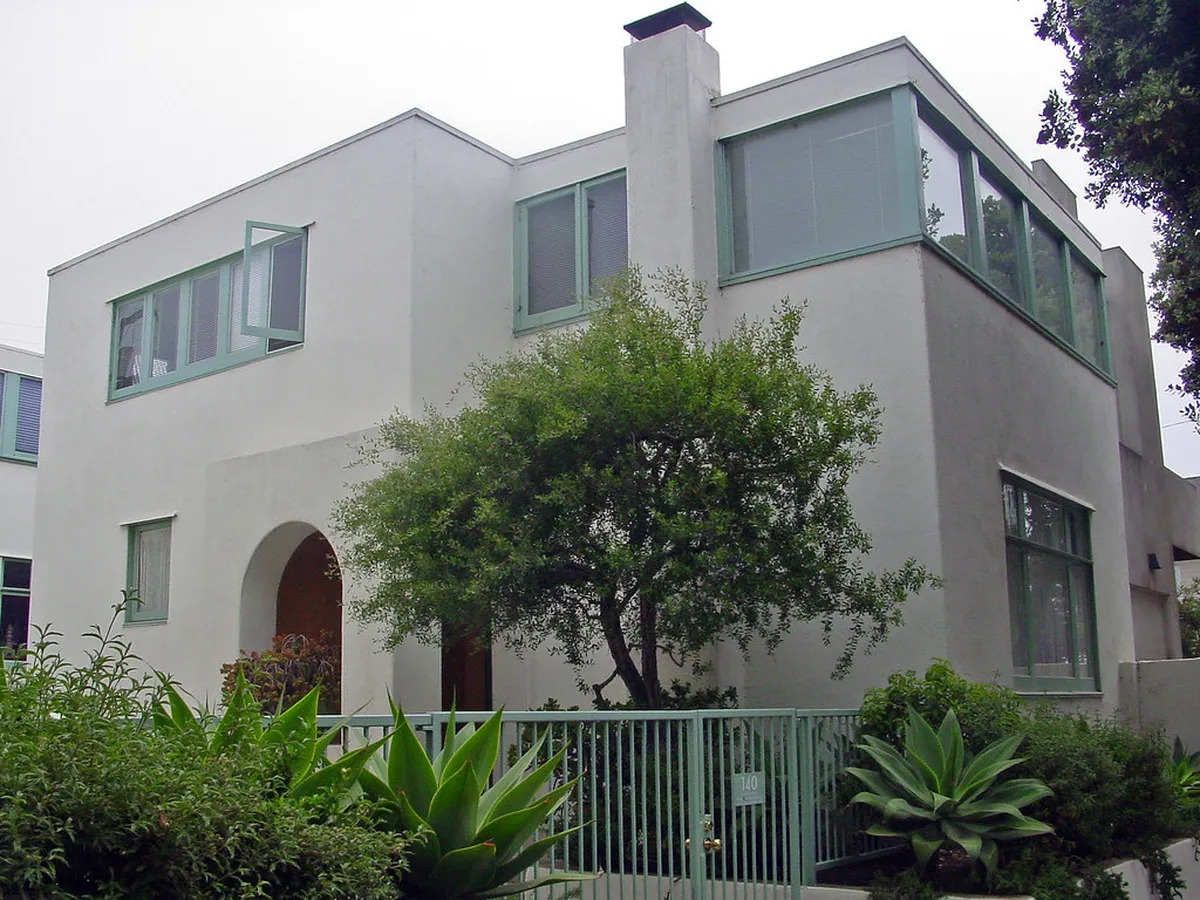
Table of Contents
Exploring San Sebastián's Iconic Architectural Wonders
San Sebastián, known as Donostia, captivates visitors with its stunning coastal beauty. The city also boasts an incredible array of diverse architectural styles. From grand Belle Époque structures to sleek modern designs, its buildings tell a rich story. This guide explores the most iconic buildings in San Sebastián for your 2025 visit. You will uncover hidden gems and famous landmarks on your journey. The city's urban development shaped its unique character.
Belle Époque Grandeur: Hotel Maria Cristina & Victoria Eugenia
San Sebastián’s Belle Époque era left an indelible mark on the city. The majestic Hotel Maria Cristina stands as a prime example. It was inaugurated in 1912 by Queen Maria Cristina. This luxurious hotel embodies the elegance of its time.
The hotel's design reflects significant French architectural influence. Its opulent interiors and facade feature intricate details. Guests can admire its stunning Neo-Baroque style. The hotel is located on Paseo República Argentina, 4.
Adjacent to the hotel is the Victoria Eugenia Theatre. This theatre also opened in 1912. It showcases the city's rich artistic heritage. The theatre's striking sandstone facade is truly impressive. It is home to major film and jazz festivals.
This pair of buildings define the city's Belle Époque architecture. They offer a glimpse into San Sebastián's royal past. Consider attending a show here in 2025. You can also simply admire its external beauty. Learn more about the Victoria Eugenia Theatre's history.
Royal Retreats and Coastal Views: Miramar Palace
Miramar Palace offers breathtaking views of La Concha Bay. This historic palace served as a summer residence for the Spanish Royal Family. It was completed in 1893. The palace design combines English country house style with a touch of Basque charm.
Architect Selden Wornum designed this stunning edifice. He incorporated unique elements throughout its structure. The palace grounds are perfect for a relaxing stroll. Many visitors enjoy picnics here. Entry to the gardens is free, typically open from 7:30 AM to 9:00 PM. The palace itself hosts events and conferences.
Its prominent location provides unparalleled scenic beauty. The palace is nestled between La Concha and Ondarreta beaches. Exploring its surroundings offers incredible photo opportunities. This is a must-see landmark for any visitor in 2025. Discover more about the Miramar Palace's architectural guide.
The palace is easily accessible from the La Concha Bay promenade. You can enjoy a leisurely walk along the coastline. Then you can ascend to the palace gardens. It perfectly blends history with natural beauty. This area is also close to the Antiguo neighborhood's historic villas.
Modern Icons: Kursaal Congress Centre and Auditorium
The Kursaal Congress Centre stands out with its bold, contemporary design. Architect Rafael Moneo completed this masterpiece in 1999. It features two translucent glass cubes resembling beached rocks. These cubes brilliantly reflect the Urumea River and the sea.
Moneo's vision was to integrate the building with its natural surroundings. The Kursaal's unique concept earned it the prestigious Mies van der Rohe Award. It functions as a cultural hub for concerts and conferences. This building is a cornerstone of modern San Sebastián architecture.
Inside, the acoustics are world-class. The main auditorium hosts many international events. Check their schedule for any performances during your 2025 visit. The building also houses a restaurant and exhibition spaces. It is located at Av. de la Zurriola, 1.
Visiting the Kursaal provides a strong contrast. It stands against the city's traditional buildings. This makes it an essential stop on an architectural tour. Learn more about the Kursaal Palace's architectural analysis. Its innovative design truly represents the city's forward-thinking spirit.
Sacred Structures and Cultural Hubs: Buen Pastor & San Telmo
🎯 Insider Tip: Discover the best San Sebastian experiences with Viator Tours!
The Cathedral of the Good Shepherd (Buen Pastor) dominates the city skyline. It is the largest religious building in San Sebastián. Its Neo-Gothic style is very impressive. Construction was completed in 1897.
Designed by Manuel de Echave, it features a towering spire. This spire reaches 75 meters high. The cathedral’s interior boasts beautiful stained-glass windows. These windows depict scenes from the life of Jesus. Visiting hours typically run from 10:00 AM to 1:00 PM and 4:30 PM to 7:30 PM daily. Entry is free.
Another significant site is the San Telmo Museum. It is San Sebastián’s oldest museum. Located at Plaza Zuloaga, 1, it blends history with modernity. The original building is a 16th-century Dominican convent. It now houses extensive Basque cultural collections. Discover more about the Buen Pastor Cathedral's design.
A stunning modern extension was added in 2011. This blends seamlessly with the historic structure. Its perforated metal facade features creeping plants. This creates a unique dialogue between old and new. The museum provides deep insights into Basque heritage. Read about the San Telmo Museum renovation details. Explore other historic churches in the city.
Charming Districts: Centro Romántico and Parte Vieja Architecture
San Sebastián's Centro Romántico district is filled with elegant architecture. It emerged during the city's expansion in the late 19th century. Wide boulevards and ornate buildings characterize this area. Many structures feature classical and Belle Époque influences. These styles often utilize distinctive San Sebastián sandstone.
Stroll along Avenida de la Libertad. Here you will see grand residential buildings. They boast intricate ironwork balconies and detailed facades. The Centro Romántico architecture is a joy to explore. Many buildings feature art nouveau details. Look for these unique design elements as you walk. This area is perfect for leisurely exploration in 2025.
In contrast, the Parte Vieja (Old Town) offers a different architectural experience. Its narrow, winding streets are full of traditional Basque buildings. These structures often feature wooden balconies and vibrant colors. They show the city's historical roots. This district is home to many beloved pintxos bars.
The Parte Vieja holds a charm of its own. It reflects centuries of history. Take an architectural walk through its charming alleys. You will discover small squares and historic churches. This contrasts sharply with the grandeur of the Centro Romántico. Both areas provide unique architectural insights.
Beyond the Classics: Architectural Diversity in Gros and Antiguo
Beyond the main tourist areas, San Sebastián offers more architectural treasures. The Gros neighborhood, known for Zurriola Beach, also has distinct buildings. Its grid-like layout features more modernist and functionalist styles. Many residential buildings here date from the early to mid-20th century. These are less ornate than the Belle Époque structures.
Gros showcases a blend of styles. It includes some elegant apartment blocks. These often feature clean lines and larger windows. Explore the Gros neighborhood building styles. You will notice a shift towards practicality and understated beauty. This area offers a different perspective on San Sebastián's urban fabric. It is also a great place for surfing.
The Antiguo neighborhood, located west of La Concha, presents another side. This district is characterized by its charming historic villas. Many date back to the late 19th and early 20th centuries. These villas often feature beautiful gardens and unique architectural details. They offer a peaceful escape from the city center.
Walking through Antiguo reveals grand residences. Each has its own story. These buildings highlight the city's expansion as a resort town. Discover hidden architectural gems in this serene area. These neighborhoods add depth to San Sebastián's rich architectural tapestry. They are well worth exploring in 2025.
Frequently Asked Questions
🌟 Local Expert Tip: Get the most out of your San Sebastian visit with guided tours!
What is the most famous building in San Sebastián?
The Kursaal Congress Centre is arguably the most famous modern building. Its distinctive glass cube design attracts much attention. Historically, the Hotel Maria Cristina is also iconic. Both are top attractions for architecture lovers. Consider visiting the top 10 must-see buildings for a complete experience.
Are there any self-guided tours for San Sebastián's architecture?
Yes, many visitors prefer self-guided tours. You can easily walk between most iconic buildings. The city center is very compact. Pick up a map of famous landmarks to guide your way. Use our self-guided architecture map for an enjoyable experience. Many resources offer routes and detailed information.
What architectural styles can be seen in San Sebastián?
San Sebastián boasts a fascinating mix of architectural styles. You will find grand Belle Époque structures from the late 19th century. Neo-Gothic influences are evident in its cathedral. Modernist and rationalist buildings also appear. Contemporary designs, like the Kursaal, add to this rich blend. The city's modernist buildings are particularly notable.
San Sebastián offers a magnificent journey through architectural history. From royal palaces to avant-garde cultural centers, its buildings impress. Each structure tells a story of the city's past and present. Plan your visit for 2025 to experience these wonders firsthand.
Whether you admire Belle Époque grandeur or modern innovation, San Sebastián has it all. Take a guided architecture tour for deeper insights. Or explore at your own pace with a map. Start planning your architectural adventure today. Use our map of famous landmarks for easy navigation.
Key Takeaways
- Explore diverse architectural styles from Belle Époque to modern designs.
- Visit iconic landmarks like Hotel Maria Cristina, Kursaal, and Miramar Palace.
- Discover unique district architectures in Centro Romántico and Parte Vieja.