
Kursaal Palace Architectural Analysis in San Sebastián
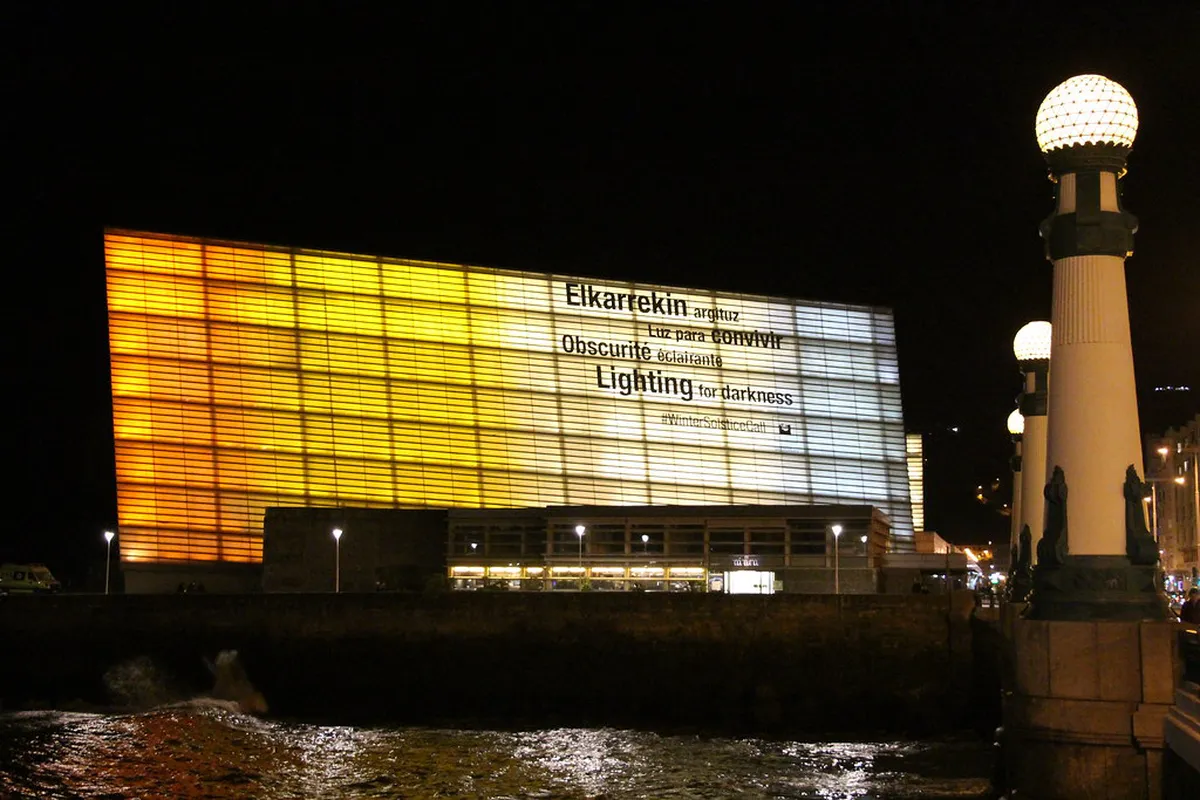
Table of Contents
Unveiling Kursaal Palace: An Architectural Analysis
San Sebastián, a gem on Spain's northern coast, boasts stunning architecture. Among its treasures stands the modern Kursaal Palace. This iconic structure reshaped the city's skyline in 1999. It serves as a vibrant cultural and convention center.
Its unique design sparks much discussion and admiration. This article offers a detailed Kursaal Palace architectural analysis. We will delve into its history, concept, and visual impact. Prepare to discover one of San Sebastián's most iconic buildings.
The palace perfectly blends into its coastal surroundings. Its transparent volumes reflect the estuary and sky. It represents a bold statement in contemporary design. Discover more about San Sebastián's diverse architecture.
Rafael Moneo's Vision for the Kursaal Palace
The Kursaal Palace is a masterpiece by Rafael Moneo. He is a renowned Pritzker Prize-winning architect. Moneo envisioned two translucent glass cubes. These cubes would echo rocks or stranded icebergs at the river mouth.
His goal was to integrate the building seamlessly. It needed to connect with the urban landscape. Moneo's design also had to respect the natural setting. Learn more about Rafael Moneo's Kursaal concept.
The concept defied conventional building forms. It offered a bold, minimalist aesthetic. This approach set the Kursaal apart from traditional structures. The vision became a reality after extensive planning.
Moneo successfully created a modern landmark. It respects San Sebastián's historic charm. The palace became a symbol of contemporary Spanish architecture. It remains a celebrated work in 2025.
Key Architectural Features and Materials
The Kursaal Palace is defined by its two large glass cubes. These cubes house the main auditoriums and convention spaces. Their outer skin is made of frosted glass panels. These panels create a soft, ethereal glow.
Inside, the structure utilizes concrete, wood, and steel. These materials create a robust yet warm environment. The use of natural light is paramount. Large windows offer stunning views of the Urumea River.
The glass material is especially important. It allows light to filter in and out. This creates a dynamic visual experience. The building appears to change with the time of day. Discover the meaning behind the Kursaal Palace's glass cubes.
Structural innovation supports these massive glass volumes. The design minimizes visible supports. This enhances the feeling of lightness. It truly is a marvel of modern engineering and design.
The choice of materials ensures durability. They also reflect the coastal environment. The building withstands the elements beautifully. Its aesthetic remains timeless and impactful. Explore other contemporary San Sebastián architecture.
Integrating with San Sebastián's Urban Fabric
The Kursaal Palace sits at the mouth of the Urumea River. It faces the Bay of Biscay. Its location is a key part of its design success. It connects the Gros neighborhood with the city center.
The building replaced an older casino structure. Moneo's design thoughtfully respects the site's history. It avoids overshadowing nearby, older buildings. Instead, it complements the surrounding urban space.
Its pedestrian areas and open plazas invite public interaction. The palace is not an isolated monument. It functions as a vital part of daily city life. Residents and visitors enjoy its public spaces.
The structure acts as a gateway to the city. It marks the end of the Zurriola Beach promenade. This careful integration shows Moneo's urban planning genius. The palace enhances San Sebastián's urban development.
Walk along the river to appreciate its scale. The palace provides a focal point. It draws the eye towards the sea. This interaction creates a harmonious urban experience.
Symbolism and Cultural Impact of Kursaal Palace
🌟 Local Expert Tip: Get the most out of your San Sebastian visit with guided tours!
The Kursaal's glass cubes carry deep symbolism. They represent 'two beached rocks' or 'icebergs'. This imagery connects the building to its maritime environment. It reflects San Sebastián's strong ties to the sea.
This symbolism fosters a dialogue with nature. The palace embraces its coastal identity. Its forms evoke a sense of elemental power. It stands as a gateway between land and ocean.
Culturally, the Kursaal has transformed San Sebastián. It hosts major events like the International Film Festival. The palace attracts global attention. It has become a significant cultural hub.
It symbolizes San Sebastián's modern aspirations. The building represents progress and innovation. Its bold design challenges traditional views. It remains a beacon of contemporary art and culture.
The Kursaal continues to inspire locals and tourists alike. Its unique silhouette is instantly recognizable. This modern icon truly leaves a lasting impression. Consider exploring a guided architecture tour for deeper insights.
Visiting the Kursaal: Practical Information for 2025
The Kursaal Palace is located at Zurriola Hiribidea, 1, 20002 Donostia, Gipuzkoa. It is easily accessible by foot from most central areas. Public transport also serves the area well.
Admission fees vary based on events or exhibitions. Checking their official website for a 2025 schedule is recommended. Many public spaces remain accessible daily. You can appreciate the exterior at any time.
Best photography times are early morning or late afternoon. The changing light dramatically affects the glass facades. The cubes glow beautifully at sunset. This creates stunning photographic opportunities. Learn about the best time to photograph Kursaal Palace.
Consider exploring the surrounding Gros neighborhood. It offers vibrant atmosphere and excellent pintxos bars. The Zurriola beach is also right next door. Enjoy a walk after your architectural exploration.
Guided tours are sometimes available for specific events. Booking in advance is highly advisable. This ensures you gain access to internal spaces. Check for tour availability when planning your visit.
Frequently Asked Questions
Who was the architect behind the Kursaal Palace design?
The Kursaal Palace was designed by Rafael Moneo. He is a celebrated Spanish architect. Moneo won the prestigious Pritzker Architecture Prize in 1996. His vision shaped this modern landmark. Find out who designed the Kursaal Palace.
What is the primary function of the Kursaal Palace today?
Today, the Kursaal Palace serves as a major convention center. It also functions as a cultural events venue. It hosts concerts, conferences, and the San Sebastián Film Festival. This versatility makes it a city hub.
How does the Kursaal Palace integrate with its coastal environment?
The palace features two translucent glass cubes. These are designed to resemble beached rocks. This visual connects it directly to the sea and river mouth. Its location by the Urumea River is key. It acts as a natural extension of the landscape. Explore the building styles in the Gros neighborhood near the Kursaal.
What materials were primarily used in the Kursaal's construction?
The main materials include frosted glass for the exterior. Concrete, wood, and steel define the interior spaces. These choices combine modernity with durability. They also create a unique aesthetic. The materials contribute to its iconic look.
The Kursaal Palace stands as a testament to modern design. Its powerful yet subtle presence defines San Sebastián's waterfront. Rafael Moneo's vision created an enduring architectural icon. This Kursaal Palace architectural analysis reveals its intricate genius.
Visiting the Kursaal offers a glimpse into innovative architecture. Its beauty lies in its simplicity and profound symbolism. Don't miss this landmark on your next trip. Plan your self-guided architecture tour to include the Kursaal today.
Key Takeaways
- The Kursaal Palace is a modern masterpiece by Rafael Moneo.
- Its two glass cubes symbolize 'beached rocks' by the sea.
- The building seamlessly integrates with San Sebastián's urban and natural landscape.
- It serves as a vital cultural hub, hosting major international events.