
Discover the Buen Pastor Cathedral Design in San Sebastián
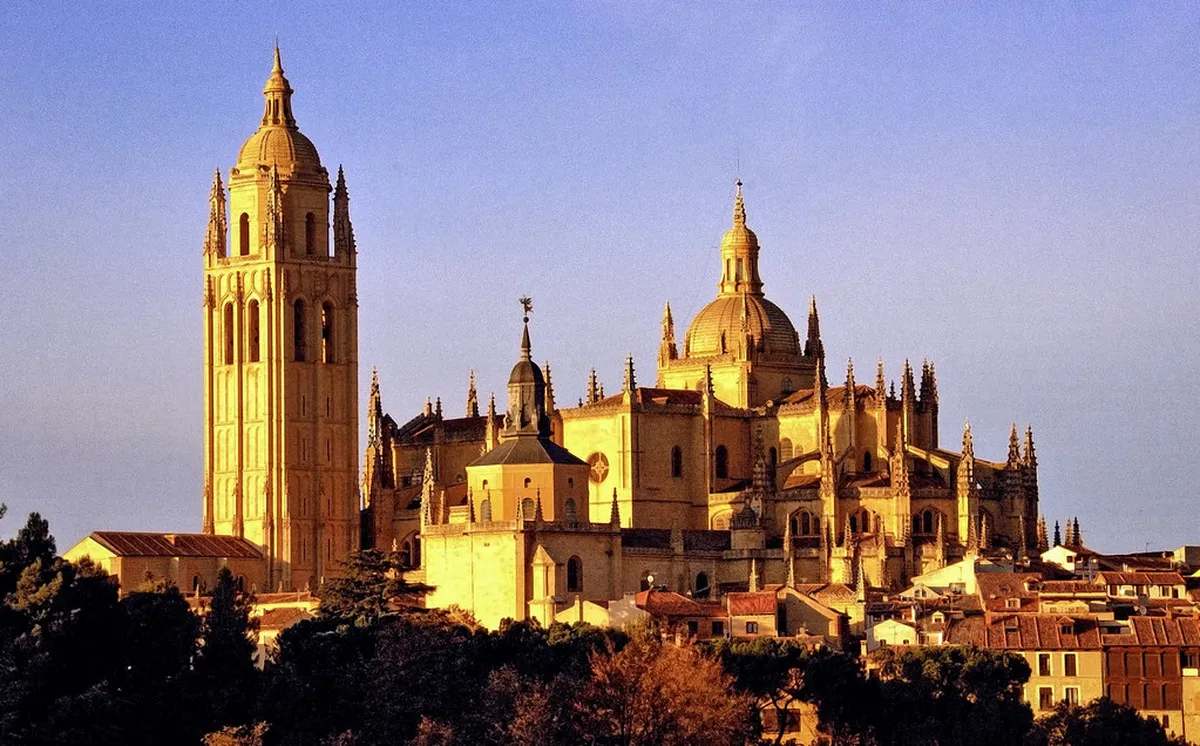
Table of Contents
Exploring the Iconic Buen Pastor Cathedral Design
San Sebastián boasts many stunning architectural marvels. The Buen Pastor Cathedral stands as a true highlight. Its impressive Neo-Gothic style dominates the city skyline. Understanding its unique design enriches your visit.
This guide explores the intricate Buen Pastor Cathedral design. We cover its history, key features, and construction details. Plan your trip to this iconic San Sebastián architectural gem in 2025. Prepare to be amazed by its grandeur.
The History and Vision Behind Its Design
Construction of the Buen Pastor Cathedral began in 1889. It aimed to serve San Sebastián's growing population. The city was rapidly expanding during this Belle Époque era. Its design became a symbol of urban development.
Architect Manuel de Echave created the original plans. He envisioned a grand Neo-Gothic structure. This style was very popular across Europe. Echave's work shaped much of the city's development at the time. The foundation stone was laid with great ceremony.
Queen Maria Cristina strongly supported the project. She often summered in San Sebastián. Her influence helped fund the ambitious construction. The cathedral was completed and consecrated in 1897.
It quickly became a spiritual and architectural centerpiece. Its prominent location was carefully chosen. The cathedral now anchors the city's "romantic area". It reflects San Sebastián's elegant past.
Key Architectural Features and Neo-Gothic Style
The Buen Pastor Cathedral exemplifies Neo-Gothic architecture. This style draws inspiration from medieval cathedrals. It features pointed arches and ribbed vaults. Flying buttresses also provide structural support.
Its grand scale and intricate detailing are remarkable. The design incorporates many vertical elements. These elements draw the eye upwards. This creates a sense of awe and spiritual elevation.
A towering spire reaches towards the sky. This spire is a defining feature of the design. It is one of the tallest points in the city. Learn more about Neo-Gothic cathedral architecture. You will appreciate its unique characteristics.
The cathedral's layout follows a Latin cross plan. This traditional design provides a spacious interior. It includes a long nave, transepts, and an apse. Every detail contributes to its majestic appearance.
Materials and Craftsmanship: Building the Cathedral
Local materials were predominantly used for construction. The building features beautiful sandstone. This stone was quarried from Monte Igueldo. Its warm, golden hue gives the cathedral a distinctive look.
Skilled artisans contributed to its intricate details. Stone carvers shaped elaborate sculptures and reliefs. These can be seen throughout the exterior and interior. Their craftsmanship is truly exceptional.
The use of sandstone is common among San Sebastián's buildings. This gives the city a cohesive aesthetic. The material withstands coastal weather conditions well. It ensures the cathedral's longevity.
Inside, rich wood and vibrant stained glass complement the stone. These elements add warmth and color. They create a serene and inspiring atmosphere. The quality of materials reflects the cathedral's importance.
Exterior Grandeur: Facades and Towers
⭐ Recommendation: Don't miss out on amazing San Sebastian tours - book now!
The main façade faces the bustling Gipuzkoa Plaza. It features a grand entrance portal. Intricate carvings adorn the doorway. Statues of saints decorate the facade's niches.
Two smaller towers flank the central spire. They add symmetry and balance to the design. Each tower showcases delicate stone tracery. The overall effect is one of soaring elegance.
The central spire reaches approximately 75 meters (246 feet). It is topped with a large cross. This makes it visible from many parts of the city. The spire is an undeniable iconic San Sebastián landmark. Its silhouette defines the city's horizon.
Observe the decorative ironwork details. These are found on doors and railings. Such artistry adds to the cathedral's charm. It highlights the attention to detail in its construction.
Interior Splendor: Nave, Altars, and Stained Glass
Stepping inside reveals a vast and inviting space. The central nave stretches impressively long. High ribbed vaults create a sense of verticality. Light streams through magnificent stained-glass windows.
These windows depict biblical scenes and saints. Their vibrant colors cast beautiful patterns. They truly enhance the spiritual ambiance. Each window tells a sacred story through light.
The main altar is a focal point of the interior. It features detailed sculptures and religious artwork. Several side altars line the nave's walls. These offer quiet spaces for reflection and prayer.
The intricate design extends to every corner. Look for carved wooden confessionals. Admire the ornate pulpit. The interior reflects the same commitment to artistry as the exterior. Consider joining a guided architecture tour for deeper insights.
Visiting the Buen Pastor Cathedral in 2025
The Buen Pastor Cathedral is centrally located. You can find it at Plaza del Buen Pastor, 1. It is easily accessible by foot from most city areas. Visiting hours vary, so check ahead for 2025.
Generally, it opens daily for visitors and worshipers. There is no entrance fee to enter the main area. Donations are always welcome to help with maintenance. You can find up-to-date visiting hours online. Plan your visit accordingly for peace and quiet.
Allow at least 30-60 minutes for your visit. Take time to absorb the architectural details. Respect any ongoing services or prayers. Photography is often permitted, but be discreet.
The surrounding Centro Romántico neighborhood is also charming. Explore the nearby shops and cafes. The cathedral offers a peaceful escape. It is a must-see for architecture enthusiasts.
Frequently Asked Questions
🎯 Insider Tip: Discover the best San Sebastian experiences with Viator Tours!
What architectural style defines the Buen Pastor Cathedral?
The Buen Pastor Cathedral is built in the Neo-Gothic style. This means it draws inspiration from medieval Gothic cathedrals. It incorporates elements like pointed arches and intricate stone carvings. Its design reflects a romantic revival of older architectural traditions.
Who was the main architect responsible for the cathedral's design?
Manuel de Echave was the primary architect. He designed the Buen Pastor Cathedral in San Sebastián. His vision brought this magnificent Neo-Gothic structure to life. Echave's works significantly shaped the city's appearance. He left a lasting architectural legacy.
Is there an entrance fee to visit the Buen Pastor Cathedral?
No, there is generally no entrance fee for general admission. You can enter the Buen Pastor Cathedral for free. This allows visitors to admire its stunning interior. Donations are appreciated to support the cathedral's upkeep. Check for any special exhibitions or areas that might charge a fee.
What materials were primarily used to construct the cathedral?
The primary material used was Monte Igueldo sandstone. This local stone gives the cathedral its distinct golden color. It contributes to San Sebastián's unique urban palette. This durable material ensures the cathedral's beauty endures for centuries.
The Buen Pastor Cathedral design remains a testament to architectural ambition. Its Neo-Gothic style captivates every visitor. From its soaring spire to its intricate interiors, every detail impresses. It stands as a proud symbol of San Sebastián.
Make sure to include this stunning cathedral on your itinerary for 2025. Experience its beauty and history firsthand. Explore more historic churches in San Sebastián. Let its timeless design inspire you.
Key Takeaways
🌟 Local Expert Tip: Get the most out of your San Sebastian visit with guided tours!
- The Buen Pastor Cathedral showcases impressive Neo-Gothic design.
- Architect Manuel de Echave created its iconic plans, completed in 1897.
- Entry is generally free, making it an accessible architectural wonder for 2025.