
Discover the History of Salamanca's Roman Bridge
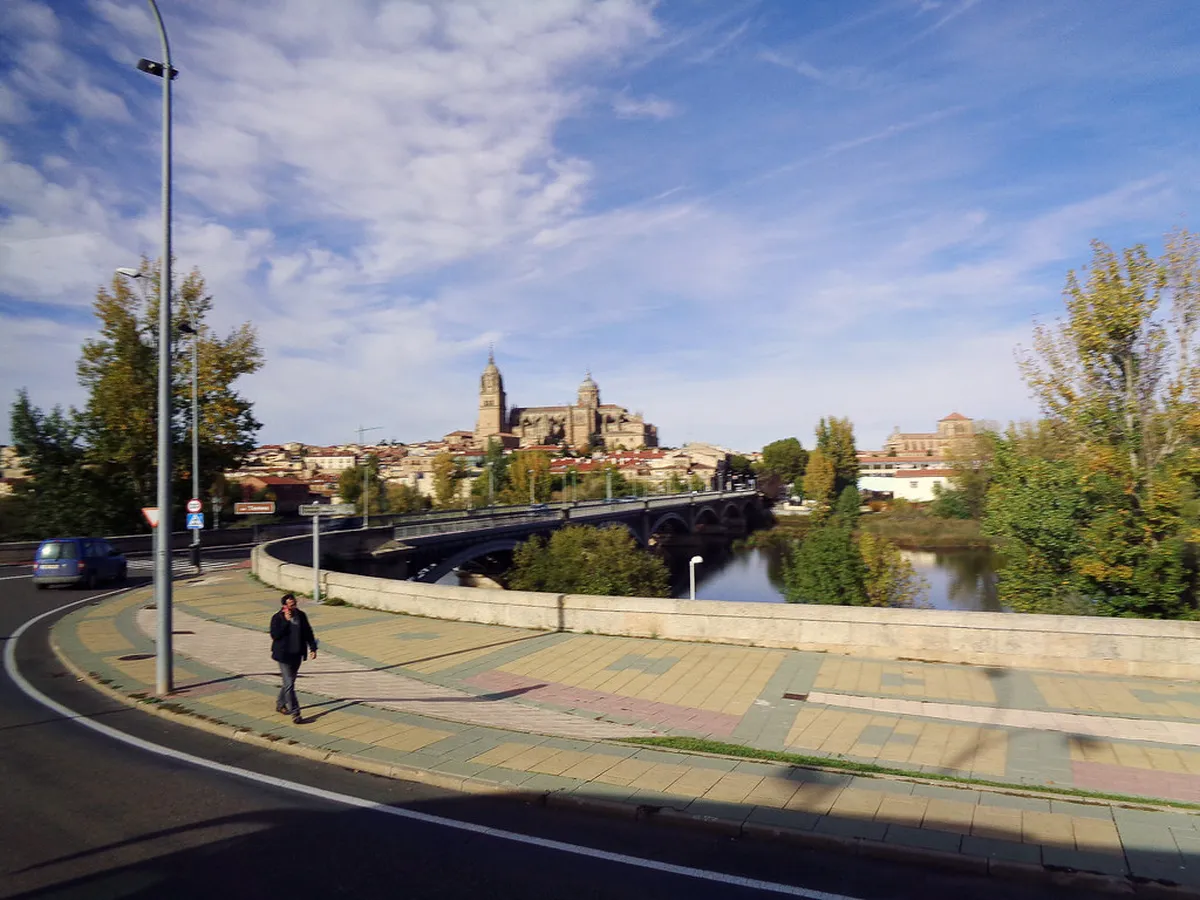
Table of Contents
Explore the Ancient History of Salamanca's Roman Bridge
Salamanca, Spain, boasts a remarkable past. Its ancient structures tell fascinating stories. Among these, the Roman Bridge stands out. It connects the city across the Tormes River. Understanding the history of the Roman Bridge in Salamanca reveals centuries of resilience.
This iconic landmark invites visitors to step back in time. It showcases ingenious Roman engineering. Discover why this bridge remains so vital. Explore its role in shaping Salamanca's identity. Plan your visit with our comprehensive Salamanca architecture guide. Learn more about Salamanca's Roman Bridge here.
Roman Origins and Initial Construction
The Roman Bridge, or Puente Romano, has ancient roots. It was built during the 1st century AD. Emperor Trajan’s era is often cited. Roman engineers designed it for the Silver Route. This road linked Astorga and Mérida.
Its construction used robust materials. The famous Villamayor golden stone was utilized. This local sandstone gives Salamanca its distinctive glow. Original Roman arches remain visible today. They stand on the city side of the river. These arches showcase incredible durability. Find out more in our guide to Salamanca's architecture.
The bridge initially served military purposes. It later became crucial for trade. Soldiers and merchants crossed its sturdy path. It facilitated movement across the Tormes. This vital connection boosted Roman influence.
Medieval Transformations and Resilience
After the Roman Empire's decline, the bridge endured. It saw numerous repairs and alterations. Medieval periods brought new challenges. Floods and warfare often damaged the structure. Local communities maintained its function.
During the Middle Ages, Salamanca grew around it. The bridge became central to urban life. Its importance for trade routes never diminished. Some medieval reconstruction efforts are still visible. They blend with the original Roman work. These repairs often used different techniques.
The bridge adapted to new architectural styles. While largely Roman, later additions appeared. These contributions reflect local building practices. They tell a story of continuous use. Explore Salamanca's Romanesque churches for context. Other styles include Gothic architecture nearby.
A stone statue, El Verraco, guards the city side. This ancient bull figure predates the bridge. It is an Iberian relic. It symbolizes strength and protection. Its presence adds to the bridge's legendary status.
The Great Flood of 1762 and Reconstruction
The history of the Roman Bridge in Salamanca includes a tragic event. A devastating flood struck in 1762. The Tormes River swelled dangerously. It destroyed much of the medieval section. Only the Roman arches survived the torrent.
The damage was extensive and severe. Thirteen of the bridge's twenty-six arches collapsed. This loss crippled local transport. Immediate action was necessary for the city. Reconstruction efforts began quickly afterwards.
Architects undertook a massive rebuilding project. José de Hermosilla led the restoration work. The new sections adopted an 18th-century style. These repairs differed from the original Roman design. They demonstrate the aesthetic of the time. Learn about the architectural features of Salamanca's Puente Romano. Discover more about Baroque architecture in Salamanca.
Today, a clear divide remains visible. The older, sturdy Roman arches are distinct. The more recent, restored arches stand next to them. This division tells the bridge's turbulent story. It highlights its enduring legacy.
The Roman Bridge Today: A Timeless Landmark
🌟 Local Expert Tip: Get the most out of your Salamanca visit with guided tours!
In 2025, Salamanca's Roman Bridge remains a beloved icon. It is now largely pedestrianized. This allows visitors to stroll across it freely. Enjoy stunning views of the city's old quarter. The bridge offers a unique perspective of Salamanca.
The bridge is a National Historic-Artistic Monument. It serves as a gateway to history. Tourists and locals alike cherish its presence. Its golden stone glows beautifully at sunset. This makes it a popular spot for photography. Consider taking one of the Salamanca architecture tours. They often feature the bridge.
While crossing, observe the differences in the arches. Notice the sturdy Roman engineering. Appreciate the 18th-century reconstruction. This blend of styles reflects its complex past. The bridge is a testament to perseverance.
For the best views, head to the other side of the Tormes. From there, the city skyline is magnificent. You can capture the bridge, cathedrals, and old town. This perspective highlights the bridge's grand scale. Discover ideal Salamanca skyline views.
Frequently Asked Questions
When was the Roman Bridge originally built in Salamanca?
The Roman Bridge was initially constructed during the 1st century AD. Historians often attribute its creation to the era of Emperor Trajan. This timing places its origins firmly within the Roman Empire's peak engineering period. It served as a crucial part of the ancient Silver Route.
What is the significance of the "Verraco" statue near the bridge?
The "Verraco" is a pre-Roman, Iberian stone bull statue. It stands at the city end of the Roman Bridge. This ancient sculpture predates the bridge itself. It symbolizes protection and fertility. It has become an iconic part of the bridge's cultural landscape. Learn more about Salamanca's Roman Bridge and its features.
How many arches of the Roman Bridge are truly original?
Twelve of the twenty-six arches on the Roman Bridge are truly original Roman constructions. These are located on the side closer to the city center. The remaining arches were rebuilt after the devastating flood of 1762. This event significantly altered the bridge's structure. You can learn about specific architectural features there.
The history of the Roman Bridge in Salamanca is a story of enduring strength. From Roman origins to medieval repairs, it has witnessed centuries. Its survival through floods and time is truly remarkable. This ancient marvel continues to connect and inspire visitors today.
Visiting the bridge offers a tangible link to the past. It’s a powerful symbol of Salamanca’s heritage. Take time to explore its unique blend of history and architecture. Discover more about preserving historic buildings in Spain. Continue your architectural journey at Architect Tourist.
Key Takeaways
- The Roman Bridge dates back to the 1st century AD under Emperor Trajan.
- Only 12 of its 26 arches are original Roman; the rest were rebuilt after the 1762 flood.
- It is now a pedestrian-only landmark, offering stunning city views and a journey through time.