
Baroque Architecture Salamanca: A Golden City Guide
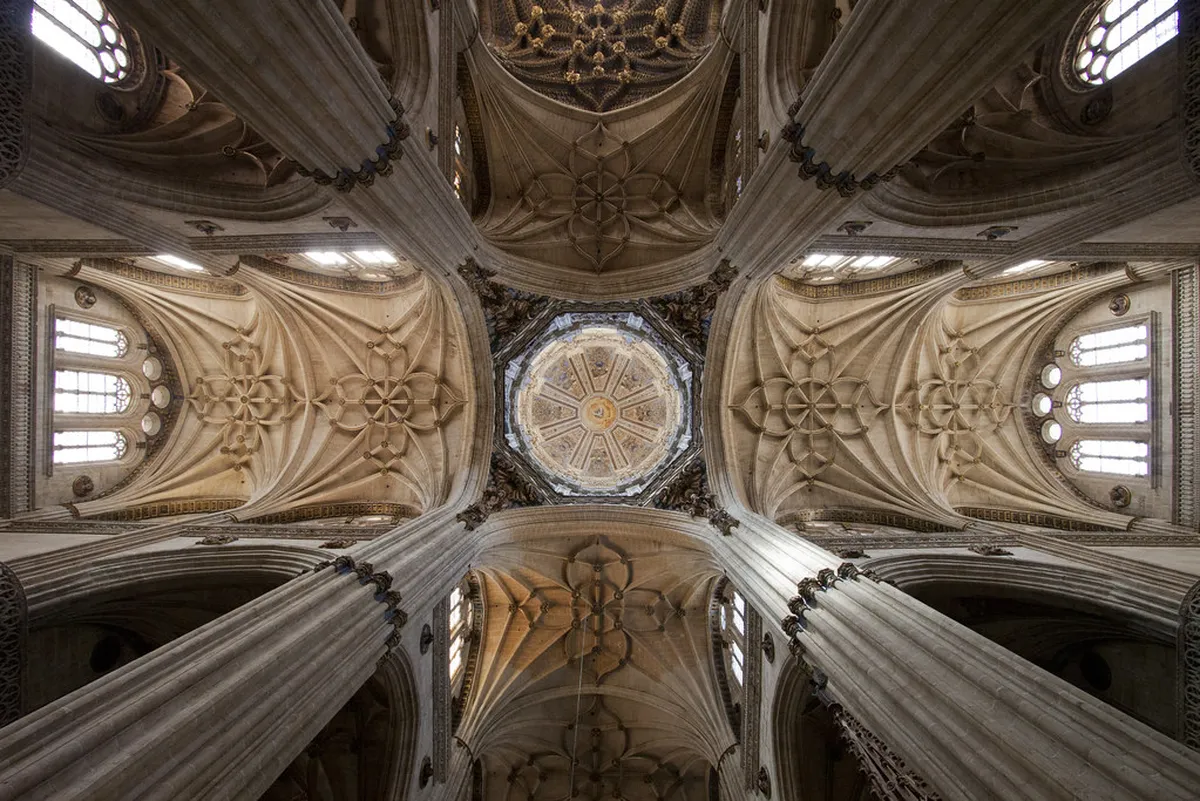
Table of Contents
Discovering Salamanca's Magnificent Baroque Architecture
Salamanca, a UNESCO World Heritage city, shines with its unique golden glow. This historic Spanish gem captivates visitors instantly. Its rich architectural tapestry features magnificent Baroque Architecture Salamanca. You will find opulent facades and grand public squares.
The city's golden Villamayor stone enhances every building. This special sandstone contributes to Salamanca's distinctive character. It truly sets it apart from other Spanish cities. Let this guide lead you through its incredible Baroque wonders in 2025. Prepare to be amazed by Salamanca's artistic heritage.
What Defines Salamanca's Baroque Style?
Baroque architecture emerged in the 17th century. It brought drama, grandeur, and intricate details. Salamanca embraced this style with local flair. It created something truly spectacular. You will notice its expressive forms instantly.
The local golden sandstone plays a vital role. It gives structures a warm, inviting glow. This material creates a breathtaking visual effect. The city truly comes alive under the Spanish sun. Learn more about key features of Baroque buildings here.
Salamanca developed a unique Baroque variation. It is known as the Churrigueresque style. This highly ornamental approach is very distinctive. It features elaborate altarpieces and facades. The Churriguera family significantly influenced this movement.
Expect to see undulating lines and vibrant sculptures. Angels, saints, and complex floral motifs adorn buildings. This intense decoration covers surfaces completely. It aims to inspire awe and devotion. You can explore the Churrigueresque style explained in detail.
Iconic Baroque Buildings to Explore in Salamanca
Salamanca boasts several breathtaking Baroque masterpieces. These sites are essential for any architecture enthusiast. They showcase the style's full grandeur. Plan to spend ample time at each location.
- Clerecía Church: This Jesuit church is a Baroque gem. Its monumental facade and twin towers dominate the skyline. The interior boasts a magnificent altarpiece and grand cloister. Entrance fees are approximately €4-6 for self-guided tours in 2025. Check Clerecía Church architecture details for more.
- Plaza Mayor: Salamanca's main square is a masterpiece of civil Baroque. Alberto de Churriguera designed it in the 18th century. Its arcaded porticos and uniform facades are stunning. It serves as the city's vibrant heart day and night. Discover more about Plaza Mayor Salamanca design.
The New Cathedral also features stunning Baroque elements. Its main facade, called the Puerta de Ramos, is highly ornate. The intricate carvings tell biblical stories. It contrasts beautifully with the older Gothic sections. More information on Salamanca Cathedral architecture is available.
Finally, visit the Convento de San Esteban. Its main entrance, the Puerta de San Esteban, is an incredible Plateresque-Baroque blend. The sheer scale and detail are overwhelming. It perfectly illustrates the transition of styles. Entry typically costs around €3-4 for adults.
Planning Your Baroque Architecture Tour in 2025
Visiting Salamanca to admire its Baroque wonders is easy. The city is highly walkable and compact. You can see many major sites on foot. Consider wearing comfortable shoes for exploring.
The best times to visit are spring (April-May) and fall (September-October). The weather is mild and pleasant. Crowds are also much smaller during these seasons. Summer can be quite hot, reaching 30°C (86°F) or higher. Winter offers fewer tourists but colder temperatures.
Many key sites, like the Clerecía and Cathedral, have specific visiting hours. They often close for siesta in the afternoon. Always check official websites before your visit in 2025. You can find specific Salamanca Cathedral hours online.
Consider joining a guided Salamanca architecture tour. Local guides provide invaluable insights. They can highlight hidden details you might otherwise miss. These tours usually last 2-3 hours and cost around €15-25 per person. A self-guided architectural walking route is also a great option.
Salamanca's Golden Stone: A Defining Feature
🎯 Insider Tip: Discover the best Salamanca experiences with Viator Tours!
The unique golden hue of Salamanca's buildings is world-renowned. This distinct color comes from the local Villamayor stone. It is a type of sandstone quarried nearby. This material is incredibly durable and beautiful.
The stone's composition allows it to change color. It reacts to light and humidity throughout the day. Buildings appear golden, amber, or even reddish. This creates a dynamic and enchanting cityscape. It makes Villamayor golden stone truly special.
Baroque architects expertly used this material. They carved intricate details directly into the stone. The rich ornamentation is softened by the stone's warm tones. This results in an inviting grandeur. It avoids the harshness found in other materials.
The golden stone is crucial to Salamanca's identity. It enhances the dramatic Baroque elements significantly. This natural beauty complements the artistic skill. It is an integral part of Salamanca's charm. Preserving these historic buildings is vital.
Hidden Baroque Gems and Local Insights
Beyond the famous landmarks, Salamanca holds smaller treasures. Venture off the main tourist paths. You will find charming courtyards and less-known facades. These offer a quieter, more intimate experience.
The Palacio de Monterrey is a splendid example of civil Baroque. While not fully Baroque, its facade showcases later influences. Its striking towers and ornate details are captivating. It provides a glimpse into aristocratic life. This palace is truly a sight to behold.
Explore some of the smaller convents and churches. Many feature beautiful Baroque altarpieces or portals. The Iglesia de San Julián has a notable Baroque interior. These often have shorter visiting hours. However, they offer unique insights.
Look for subtle Baroque details in everyday architecture. You might spot an ornate doorway or a decorative balcony. The city rewards those who look closely. These hidden architectural gems add to the city's allure. They reveal the pervasive influence of Baroque design.
Frequently Asked Questions
🌟 Local Expert Tip: Get the most out of your Salamanca visit with guided tours!
What is the best way to explore Baroque Architecture Salamanca?
The best way is often on foot. Salamanca's city center is very walkable. Consider a guided tour for deeper insights. Many companies offer specialized architecture tours in Salamanca. These tours explain the history and significance of each site.
Who were the main Baroque architects in Salamanca?
The Churriguera family, especially Alberto de Churriguera, were highly influential. They developed the ornate Churrigueresque style. Other significant names contributed as well. You can learn more about famous Salamanca architects. Their work shaped the city's unique identity.
Are there costs associated with visiting Salamanca's Baroque sites?
Yes, many major sites have entrance fees. These include the Clerecía Church and Salamanca Cathedral. Fees typically range from €3 to €10 per adult in 2025. Plaza Mayor is free to enter. Some smaller churches might ask for a small donation. Check specific museum and site ticket prices online.
Salamanca stands as a golden testament to Baroque splendor. Its unique Churrigueresque style is truly unforgettable. The city's golden sandstone enhances every intricate detail. You will cherish memories of its grand plazas and ornate facades.
Plan your visit for 2025 and immerse yourself in this architectural marvel. Discover why Salamanca remains a top destination for cultural explorers. For more travel inspiration, explore our full Salamanca architecture guide. Experience the city's enchanting golden glow for yourself.
Key Takeaways
- Salamanca's Baroque architecture features the highly ornate Churrigueresque style.
- The city's golden Villamayor stone gives buildings their distinctive, warm glow.
- Must-see sites include Clerecía Church, Plaza Mayor, and the New Cathedral facade.