
Churrigueresque Style Explained: Salamanca's Golden Art
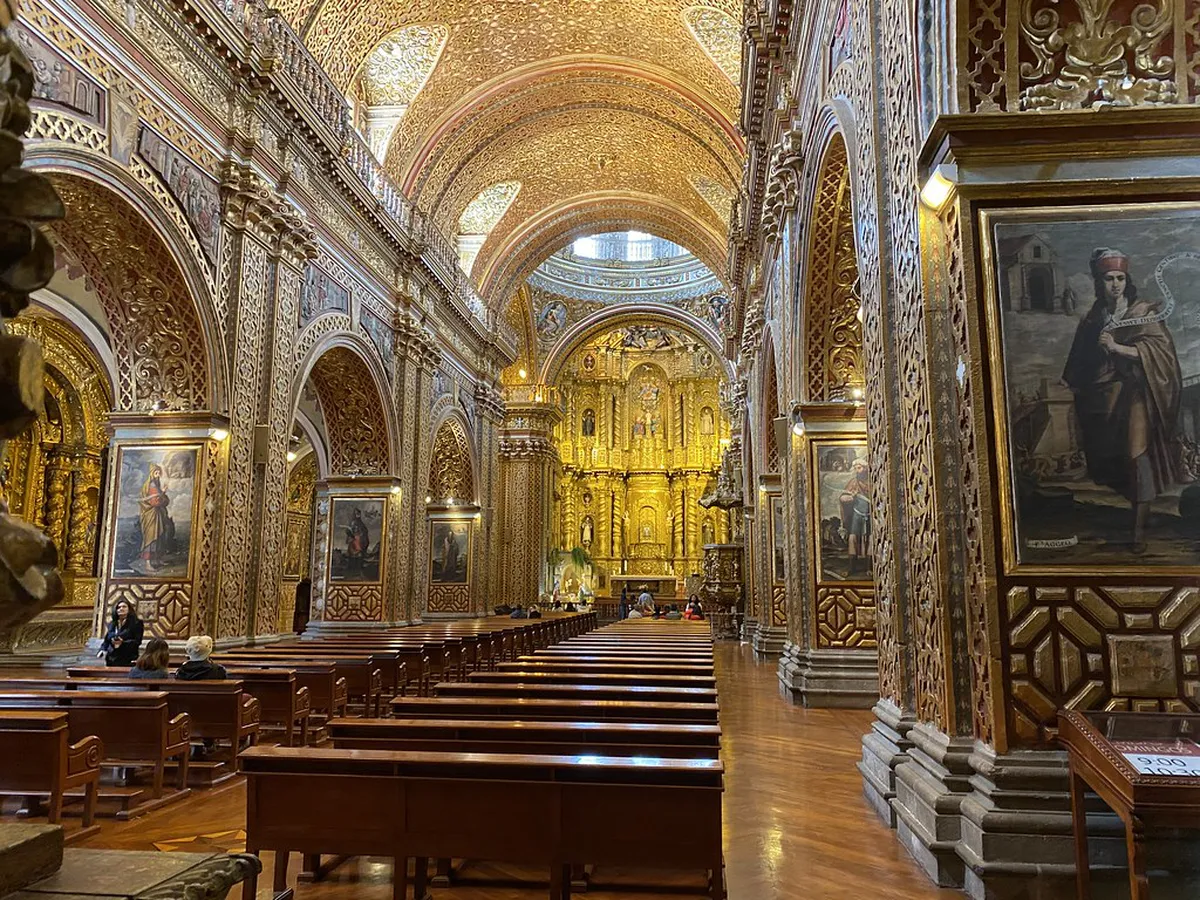
Table of Contents
Discovering Churrigueresque Style in Salamanca, Spain
Salamanca, Spain, is a city built from golden stone. Its architecture tells tales of history and artistry. One standout feature is the elaborate Churrigueresque style. This unique Baroque expression truly defines Salamanca's beauty. Discover why this style made such an impact in Spain.
Understanding this intricate design enhances any visit. You will learn about its origins and key characteristics. This guide provides insight into Salamanca's rich architectural heritage. Prepare to be amazed by its lavish details and dramatic flair, a true highlight of Baroque architecture in Salamanca.
What is Churrigueresque Style?
Churrigueresque style is a Spanish Baroque architectural and sculptural movement. It emerged in the late 17th century. This style is known for its intense, elaborate ornamentation. It often features dramatic, sculptural altarpieces and facades. The name comes from the Churriguera family of architects.
This flamboyant style aimed to evoke awe and wonder. It moved beyond simpler Baroque forms. Decorative elements became incredibly dense and intricate. The goal was to create a sense of movement and visual richness. It truly represents a unique chapter in Spanish architectural history. Its influence spread throughout Spain and even to Latin America.
The style often incorporates a mix of materials. These include gilded wood, marble, and stucco. This combination creates a stunning visual impact. The complexity and sheer volume of decoration are hallmarks. It stands in stark contrast to earlier, more restrained architectural periods. This makes it a fascinating study for visitors.
Key Characteristics of Churrigueresque Architecture
Churrigueresque style is immediately recognizable for its decorative intensity. One defining element is the estípite column. This is a tapered pilaster, wider at the top and bottom. It features multiple sections and often includes sculpted figures. These columns create a sense of dynamic verticality.
Surfaces are rarely left plain in Churrigueresque designs. Every available space is filled with intricate carvings. These include garlands, scrolls, shells, and foliage motifs. The golden Villamayor stone of Salamanca enhances this effect. The stone's natural warmth brings the intricate details to life.
Altarpieces are a prime canvas for this style. They often reach soaring heights. These grand structures are filled with statuary and gilded elements. The focus is on creating a theatrical, awe-inspiring display. This draws the eye upwards towards spiritual themes. Many religious buildings in Salamanca showcase these features.
This style emphasizes illusion and dramatic effect. Architects used light and shadow cleverly. They created depth and movement on flat surfaces. This contributes to the overwhelming sense of grandeur. It is a feast for the eyes and a testament to Baroque artistry. You will notice these features on many city buildings.
The style also shows a departure from classical rules. Traditional architectural elements are often distorted. They are used in unexpected, highly decorative ways. This makes Churrigueresque feel truly unique. It creates a powerful, unforgettable aesthetic. Comparing it with Salamanca's Plateresque style highlights these differences.
The Churriguera Family's Enduring Legacy
The Churriguera family were prolific architects and sculptors. They gave their name to this distinctive style. José Benito de Churriguera (1665-1725) was the most famous. His brothers Joaquín and Alberto also made significant contributions. Their workshop profoundly shaped Spanish architecture.
José Benito's early work on the University of Salamanca facade shows his growing influence. Though not purely Churrigueresque, it hints at future lavishness. His designs often combined architecture and sculpture seamlessly. This unified approach became a hallmark of the style. He believed in decorating structures to the fullest extent.
Joaquín Churriguera (1674-1724) also left his mark on Salamanca. He designed the choir stalls for the New Cathedral. His work often displayed slightly more restraint than José Benito's. However, it still embraced elaborate decoration. The family's combined efforts created a cohesive regional aesthetic.
Alberto de Churriguera (1701-1750) was another key figure. He designed the stunning Plaza Mayor in Salamanca. While not strictly Churrigueresque, it shares its golden stone and grandeur. The family's artistic vision transformed the city. Famous Salamanca architects often trained under them. Their legacy is visible everywhere in Salamanca.
Iconic Churrigueresque Masterpieces in Salamanca
⭐ Recommendation: Don't miss out on amazing Salamanca tours - book now!
Salamanca boasts some of the finest Churrigueresque examples. The New Cathedral's Main Altarpiece is a must-see. José Benito de Churriguera designed this monumental piece. It dominates the cathedral's interior with its gilded splendor. Visitors in 2025 will find it breathtaking.
Another outstanding example is the Convento de San Esteban. Its façade is a masterpiece of Churrigueresque design. Joaquín Churriguera contributed to its elaborate main altarpiece. The intricate carvings and figures are astonishing. This convent showcases the style's full dramatic power.
The Church of La Clerecía also features Churrigueresque elements. Its grand façade and interiors include opulent details. The altarpiece of the main chapel is particularly noteworthy. It reflects the rich decorative tendencies of the era. Explore La Clerecía's architecture for more insights.
These buildings offer a tangible link to the past. They represent the pinnacle of Spanish Baroque. Each site provides a unique perspective on the style. They demonstrate how deeply the Churriguera family influenced the city. These are truly the best examples of Churrigueresque in Salamanca.
Don't miss the details on side chapels and smaller altars. Many hidden gems exhibit Churrigueresque touches. They often feature elaborate grilles and sculpted elements. Take your time to appreciate the craftsmanship. Every corner tells a story of artistic devotion.
Experiencing Salamanca's Churrigueresque Beauty in 2025
Visiting Salamanca to see Churrigueresque architecture is rewarding. Plan your trip to allow ample time for exploration. Many sites are centrally located. You can easily walk between the major attractions. Consider comfortable shoes for extensive walking.
The New Cathedral is generally open daily. Check specific Salamanca Cathedral hours for 2025 before your visit. Entry fees may apply for certain areas. The Convento de San Esteban also welcomes visitors. Its museum offers deeper historical context.
Consider joining Salamanca architecture tours. Expert guides provide valuable insights. They can point out details easily missed by the untrained eye. These tours enrich your understanding of the style. They often cover historical and cultural significance.
Photography is usually allowed, but check for restrictions inside. Respect any signage regarding flash photography. Capturing the intricate details can be challenging. Utilize natural light whenever possible. Refer to architectural photography tips for best results. This allows you to bring home stunning memories.
Allow at least a full day to immerse yourself in these sites. Many buildings are close to each other. You can combine your visit with local cafes. Enjoy a coffee while admiring the golden city. It's an unforgettable architectural journey for 2025.
Frequently Asked Questions
What exactly defines Churrigueresque decoration?
Churrigueresque decoration is characterized by extreme ornamentation. It features densely packed elements. These include estípite columns and broken pediments. You will also see many scrolls, garlands, and shell motifs. The aim is a sense of lavish movement. It creates a theatrical and sculptural effect.
How does Churrigueresque compare to Plateresque architecture?
Churrigueresque is a later, more elaborate Baroque style. Plateresque appeared earlier, during the Spanish Renaissance. Plateresque uses delicate, silversmith-like carvings. It often applies these to Gothic structures. Churrigueresque is far more flamboyant and sculptural. It often completely obscures underlying architectural forms. Explore Salamanca's Plateresque for comparison. It represents a different artistic era.
Which Churrigueresque building should I visit first in Salamanca?
Start your Churrigueresque exploration at the New Cathedral. The Main Altarpiece is a spectacular example. It sets the tone for the style's grandeur. Afterwards, head to the Convento de San Esteban. Its façade is an iconic Churrigueresque masterpiece. This provides a great introduction to the style's best features. Both are crucial stops on any architectural walking route in Salamanca.
Salamanca stands as a living museum of Churrigueresque style. Its golden stone structures tell a story of artistic innovation. This Baroque expression offers a dazzling visual experience. The Churriguera family's legacy truly shaped this city. Plan your visit to witness this incredible artistry firsthand.
Don't miss the chance to explore these intricate masterpieces in 2025. Each building offers unique insights into Spanish Baroque. Immerse yourself in the lavish details and dramatic flair. Begin your architectural adventure today. For more detailed guides, check out our Salamanca architecture resources.
Key Takeaways
- Churrigueresque is a highly ornate, late Spanish Baroque style.
- The estípite column and dense decoration are key features to look for.
- Salamanca's New Cathedral and Convento de San Esteban are prime examples.