
Architectural Photography Tips for Golden Salamanca
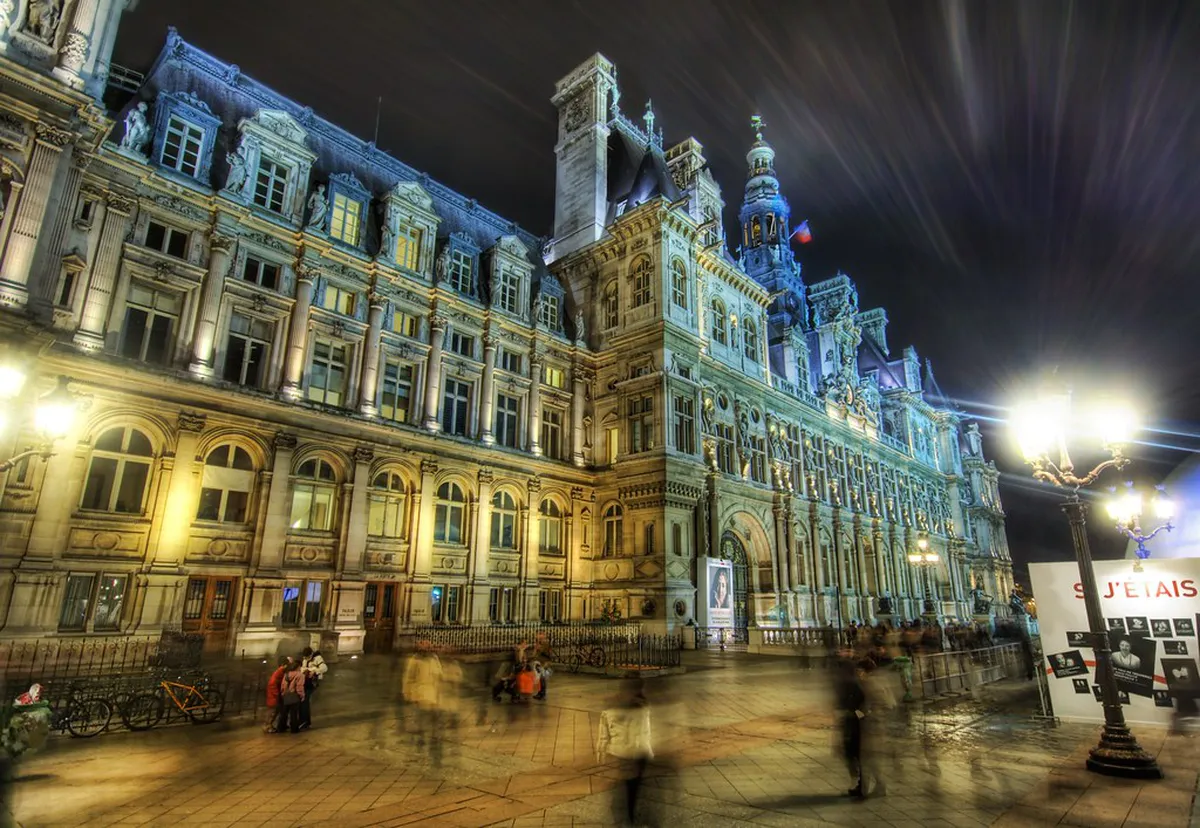
Table of Contents
Mastering Architectural Photography in Golden Salamanca
Salamanca, Spain, offers a photographer's dream. Its historic architecture glows with unique golden stone. Mastering architectural photography here requires specific techniques. This guide provides essential tips for your 2025 visit.
You will learn to capture the city's intricate details and grand facades. Discover how to make your images stand out. These photography tips will enhance your travel memories. Prepare to showcase Salamanca's architectural beauty.
Essential Gear for Capturing Salamanca's Buildings
Having the right equipment greatly improves your shots. A sturdy tripod is crucial for low-light conditions. It ensures sharp images of Salamanca's grand structures. Consider a remote shutter release to avoid camera shake.
Wide-angle lenses are perfect for large buildings. They help fit entire facades into your frame. A telephoto lens can isolate architectural details. This allows you to focus on intricate carvings, like those on the University of Salamanca facade.
Carry extra batteries, as photography drains power quickly. A polarizing filter reduces glare and enhances colors. Graduated neutral density filters balance bright skies with darker foregrounds. Protect your gear from dust and unexpected rain.
Photographing Salamanca's Golden Stone and Light
Salamanca's buildings are famous for their golden Villamayor stone. This unique material changes color throughout the day. Early morning and late afternoon light are best. This 'golden hour' makes the stone truly glow.
Midday sun can create harsh shadows. It flattens details and reduces depth. Use this time for interior shots instead. Explore the majestic Salamanca Cathedral during these hours. Its interiors offer stunning subjects.
Overcast days provide soft, diffused light. This is ideal for capturing intricate carvings. The even lighting minimizes harsh contrasts. It brings out the subtle textures of Plateresque architecture. Always observe how light interacts with your subject.
Composition Techniques for Stunning Architecture
Composition is key in architectural photography. Use leading lines to guide the viewer's eye. Roads, paths, or building edges work well. This creates a sense of depth and movement.
Look for symmetry in facades and doorways. The Plaza Mayor's design offers fantastic symmetrical opportunities. Frame your shots carefully to emphasize these elements. Sometimes, an off-center composition works best.
Include people for scale in your photographs. This shows the true grandeur of structures. Experiment with different angles and perspectives. Get low to emphasize height, or high for sweeping views. Consider a skyline view from the Roman Bridge.
Dealing with Crowds and Tricky Angles
⭐ Recommendation: Don't miss out on amazing Salamanca tours - book now!
Popular sites often have many tourists. Arrive early in the morning for fewer crowds. This gives you clear shots of iconic buildings. Casa de las Conchas is particularly busy later in the day.
Long exposures can make crowds disappear. A neutral density filter helps achieve this. The moving people become blurred or invisible. This technique works best with a tripod.
Challenging angles are common in urban settings. Use a tilt-shift lens to correct converging lines. If unavailable, try a wider lens and correct in post-processing. Look for elevated viewpoints for unique perspectives. Exploring hidden architectural gems can also avoid crowds.
Post-Processing Your Salamanca Architectural Shots
Post-processing enhances your raw images. Adjust exposure and contrast for impact. Correct any lens distortions or converging lines. Software like Lightroom or Photoshop makes this easy.
Pay attention to white balance to accurately depict the golden stone. Remove distracting elements from your frames. Sharpen details to bring out intricate carvings. The Clerecía Church's architecture benefits greatly from this.
Maintain a natural look in your edits. Avoid over-processing or unnatural colors. Your goal is to showcase the beauty of Salamanca's buildings. Practice different techniques to find your style. Consider taking Salamanca architecture tours for inspiration.
Frequently Asked Questions
🎯 Insider Tip: Discover the best Salamanca experiences with Viator Tours!
What is the best time of year for architectural photography in Salamanca?
Spring (April-May) and Fall (September-October) are ideal. The weather is pleasant and light is favorable. Crowds are also generally smaller than in summer. Plan your 2025 trip for these months.
How can I photograph tall buildings without distortion in Salamanca?
Use a wide-angle lens and ensure your camera is level. Try to position yourself further away from the building. If lines still converge, correct them in editing software. This helps maintain the integrity of Convento de San Esteban.
Are there any permits needed for photography in Salamanca's historic areas?
Generally, no permits are needed for personal photography. For commercial or professional shoots, inquire locally. Always respect private property and local regulations. Check signs at specific sites like the Roman Bridge.
Salamanca offers endless opportunities for stunning architectural photography. By applying these architectural photography tips, you'll capture its essence. Focus on light, composition, and proper gear. Your images will truly reflect this golden city's splendor.
Experiment with different angles and times of day. Remember to visit during the 'golden hour' for best results. Start planning your photographic adventure in Salamanca for 2025. Share your unique perspective with the world.
Key Takeaways
💡 Pro Tip: Book your Salamanca adventures in advance through Viator for the best deals!
- Utilize morning and late afternoon light for Salamanca's golden stone.
- Invest in a tripod and wide-angle lens for sharp, comprehensive shots.
- Master composition techniques like leading lines and symmetry for impact.