
Salamanca's Roman Bridge: An Ancient Marvel Guide
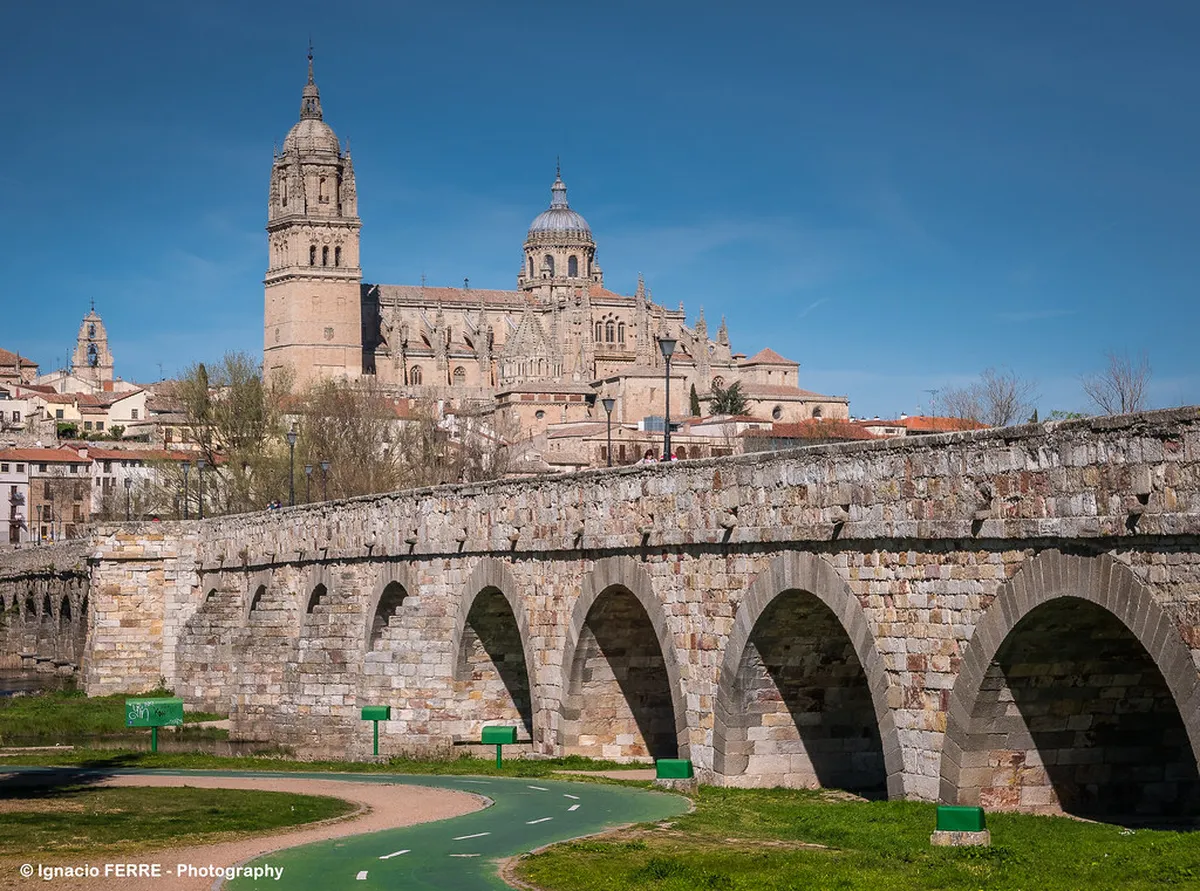
Table of Contents
Explore Salamanca's Historic Roman Bridge in 2025
Welcome to Salamanca, a city rich in history and stunning architecture. One of its most iconic landmarks is Salamanca's Roman Bridge. This ancient structure spans the Tormes River with timeless elegance. It connects the historic city center to its southern banks.
The Puente Romano offers incredible views and a journey through time. You can walk where Romans once trod centuries ago. Plan your visit in 2025 to experience this engineering marvel firsthand. Explore more of the city's unique designs with our Salamanca architecture guide.
The Enduring History of Salamanca's Roman Bridge
Salamanca's Roman Bridge boasts an incredibly long history. Its initial construction dates back to the 1st century AD. Roman engineers built it to facilitate trade and troop movements. This original section still stands strong today.
Over the centuries, the bridge underwent various changes. Major repairs were necessary after significant floods. The most notable one happened in 1626, destroying several arches. Despite damage, the bridge always remained a vital crossing point.
The bridge has been a symbol of Salamanca for ages. It served as a crucial entry point into the city. Its strategic importance connected different regions of Spain. Learn more about the history of the Roman Bridge in Salamanca.
Today, only the northern fourteen arches are truly Roman. The remaining eleven arches are medieval reconstructions. This blend of eras adds to its unique charm. It represents the city's continuous resilience and adaptation.
Architectural Wonders of the Puente Romano
The Puente Romano is a testament to ancient engineering skill. It features robust semicircular arches. These arches were perfectly designed to withstand river currents. The bridge's foundation is incredibly solid.
The bridge uses the famous golden Villamayor stone. This local sandstone gives Salamanca its unique glow. It changes color beautifully with the sun's position. This stone is a key element in many city buildings. Discover more about the Villamayor golden stone used throughout the city.
Distinguishing Roman from medieval sections is fascinating. The Roman arches are typically wider and more irregular. Medieval additions show more refined, uniform construction techniques. This mix of styles tells a long story.
A notable feature is the Verraco, a granite Celtic bull statue. It sits at the bridge's city entrance. This ancient sculpture predates the Roman bridge itself. It adds another layer of historical depth to the site. Explore the architectural features of Salamanca's Puente Romano.
Visiting the Roman Bridge in 2025: Tips and Views
Visiting Salamanca's Roman Bridge is a must-do experience. There is no entrance fee, making it accessible to all. You can walk freely across at any time of day. It offers stunning panoramas of Salamanca.
For the best photographs, visit during sunrise or sunset. The golden hour illuminates the Villamayor stone perfectly. The city skyline glows against the changing sky. This creates truly memorable pictures. Capture amazing Salamanca skyline views from this vantage point.
The bridge is easily reachable from Salamanca's Plaza Mayor. It is about a 10-15 minute walk downhill. Wear comfortable shoes for exploring the riverbanks. Consider starting an architectural walking route from here.
Expect moderate crowds during peak tourist seasons. Early mornings offer a more tranquil experience. You can enjoy the peaceful sounds of the Tormes River. Local vendors often sell crafts nearby on weekends.
The Bridge's Role in Salamanca's Tapestry
💡 Pro Tip: Book your Salamanca adventures in advance through Viator for the best deals!
The Roman Bridge is more than just a crossing. It forms an integral part of Salamanca's identity. It frames postcard-perfect views of the Old and New Cathedrals. These architectural marvels rise majestically above the city.
From the bridge, the city's golden hues are most apparent. You can fully appreciate the scale of its historic buildings. The bridge serves as a natural gateway to the historic center. It invites visitors deeper into Salamanca's past. Consider visiting the Salamanca Cathedral architecture after your bridge visit.
It plays a significant role in local culture. Many Salamancans have fond memories of crossing it. It remains a popular spot for leisurely strolls. The bridge connects daily life with ancient heritage.
Take time to appreciate the interplay of the river, bridge, and city. This viewpoint highlights Salamanca's unique relationship with its environment. It shows how history flows alongside modern life. This creates a beautiful and vibrant urban landscape.
Preservation Efforts and Modern Use of the Puente Romano
Maintaining an ancient structure like the Puente Romano is vital. Local authorities diligently work to preserve its integrity. Regular inspections and careful restorations occur. These efforts ensure its longevity for future generations.
In 2025, the bridge is primarily for pedestrian use. Vehicle traffic is restricted to protect its ancient arches. This policy helps prevent wear and tear. It allows visitors a safe and pleasant experience.
The bridge still serves as a functional crossing for locals. Students and residents use it daily. It is a living piece of history, not just a museum exhibit. Its continued use highlights its enduring value.
Preservation challenges include natural erosion and environmental factors. Expert teams monitor the bridge's condition closely. Their work ensures this historic landmark stands firm. Protecting historic buildings like this requires ongoing dedication.
Frequently Asked Questions
Is Salamanca's Roman Bridge truly Roman, or mostly rebuilt?
About fourteen of Salamanca's Roman Bridge arches are original Roman work. These are found on the northern, city-side end. The remaining eleven arches were rebuilt in the medieval period. This mostly happened after a severe flood in 1626. It is a fascinating blend of ancient and historical construction. You can still see differences in the stone and design. For a detailed guide, check out our insights on history of the Roman Bridge in Salamanca.
What is the best time of day to photograph the Puente Romano?
The best times for photographing the Puente Romano are sunrise and sunset. During these hours, the light is soft and warm. It highlights the golden color of the Villamayor stone beautifully. This creates stunning reflections in the Tormes River. Mid-day light can be too harsh. For more tips, explore architectural photography tips.
Are there any fees or specific hours to visit Salamanca's Roman Bridge?
No, there are no fees to visit or walk across Salamanca's Roman Bridge. It is open to pedestrians 24 hours a day, seven days a week. You can enjoy its beauty whenever you like. This allows for flexible planning during your visit. You might find nearby attractions like the Salamanca Cathedral hours have specific entry times.
What other historic sites are near the Roman Bridge in Salamanca?
Many historic sites are a short walk from the Roman Bridge. The Old and New Cathedrals are prominently visible nearby. The Casa Lis, an Art Nouveau museum, is also very close. You can also explore the historic university area easily. Consider a Salamanca architectural walking route from the bridge. This will help you discover many more gems.
Salamanca's Roman Bridge stands as a powerful testament to history. It blends ancient Roman engineering with medieval resilience. This iconic landmark offers beauty, history, and stunning views of the city. Make sure to include it in your Salamanca itinerary for 2025.
Walking across its historic arches connects you to centuries of stories. From its sturdy stone to the Verraco, every detail tells a tale. Discover more architectural wonders and plan your complete trip at Architect Tourist Salamanca. Your adventure awaits!
Key Takeaways
- Visit at sunrise or sunset for the best photo opportunities of the golden stone.
- Walk across the bridge to truly appreciate its ancient Roman and medieval sections.
- Combine your bridge visit with nearby attractions like the Cathedrals and Casa Lis.