
Discover Salamanca's Enduring Romanesque Churches in 2025
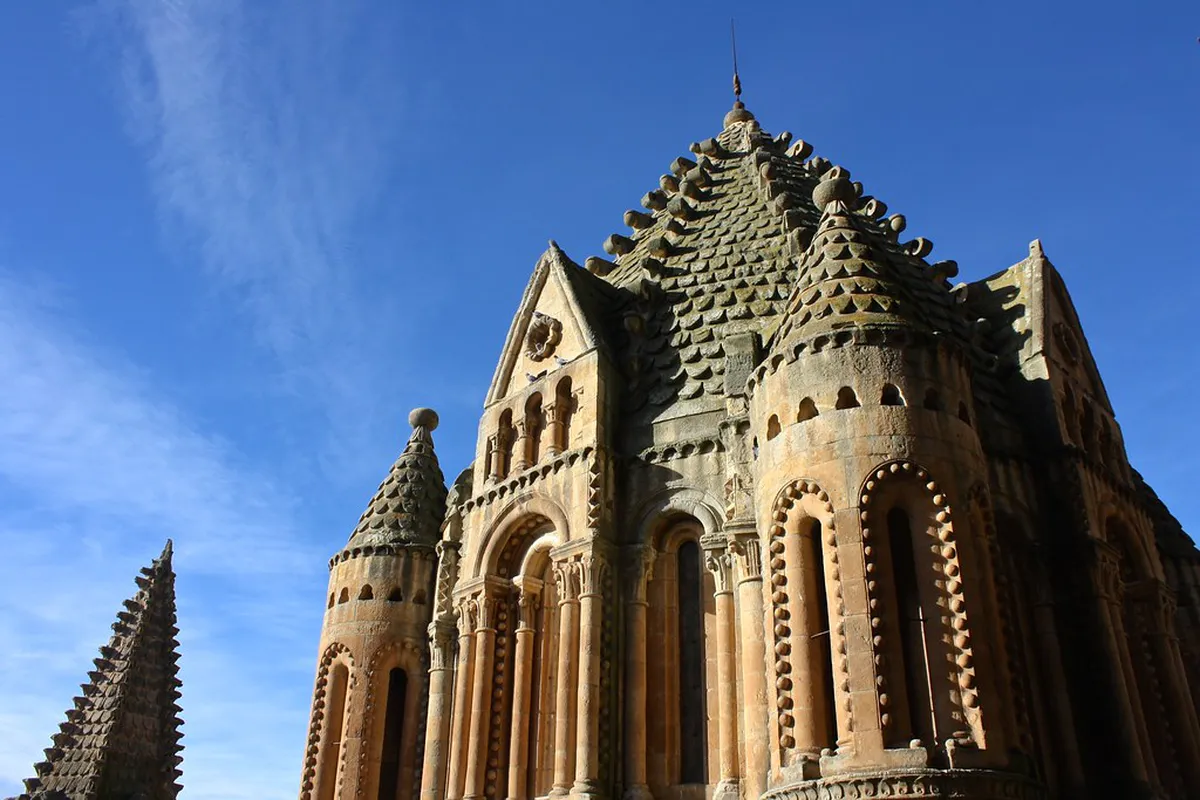
Table of Contents
Exploring Salamanca's Enduring Romanesque Churches
Salamanca, a UNESCO World Heritage city, boasts incredible history. Its golden stone buildings tell centuries of stories. Among these, the Salamanca Romanesque Churches stand out. They offer a glimpse into medieval Spain.
These ancient structures provide a fascinating architectural journey. They predate the city's famous Plateresque and Baroque styles. Prepare to uncover hidden gems and grand cathedrals. This guide helps you explore their timeless beauty. Learn more about the overall architecture of Salamanca to set the scene.
The Old Cathedral: A Romanesque Masterpiece
Salamanca's Old Cathedral (Catedral Vieja) is a true marvel. It dates back to the 12th century. This cathedral represents a prime example of Romanesque design. Its construction began around 1140.
The Torre del Gallo, or Rooster's Tower, is iconic. It features a distinctive scale-like dome. This landmark provides stunning views of the city. Inside, admire the detailed altarpiece. Visiting hours are typically 10:00 AM to 7:00 PM. Check Salamanca Cathedral hours before your 2025 visit.
The cloister is another essential feature. It once served as a peaceful monastic space. Look closely at the carved capitals. They depict biblical scenes and mythical creatures. This artistry is typical of the era. The entrance fee is around €6 for adults. You can often buy a combined ticket with the New Cathedral.
Beyond its grandeur, the Old Cathedral is a site of transition. It sits directly next to the larger New Cathedral. This juxtaposition shows architectural evolution. It highlights different eras of Salamanca's past. Explore the unique architecture of Salamanca Cathedral for more details.
San Marcos Church: A Circular Romanesque Gem
The Church of San Marcos offers a unique architectural form. It is one of the few circular churches in Spain. Its origins trace back to the 12th century. This design sets it apart from typical basilica layouts.
Its circular nave creates an intimate atmosphere. The church features three small apses. These are typical Romanesque elements. San Marcos has undergone several renovations. Despite this, it retains its original charm. The church is located near the city center. It is easily accessible on foot.
Admission is usually free for visitors. Opening hours can vary, so check locally. Consider visiting during a weekday morning. You will experience fewer crowds. This allows for peaceful contemplation. The church provides a quiet escape.
The exterior showcases the sturdy Romanesque stone. Its simplicity reflects the style's utilitarian nature. The use of local Salamanca building materials is evident. This includes the characteristic golden Villamayor stone. San Marcos is a must-see for architecture enthusiasts.
San Martín Church: Blending Styles Over Centuries
The Church of San Martín has a rich and complex history. It started as a Romanesque church in the 12th century. Over time, it acquired Baroque and Gothic additions. This creates a fascinating blend of styles.
Its Romanesque portal on Calle de San Martín is striking. Look for the intricate carvings and archivolts. These details are characteristic of medieval artistry. The church's location is right in the heart of the city. It sits near Plaza Mayor, making it highly visible.
Inside, the church features a beautiful vaulted ceiling. Restoration efforts have preserved its heritage. The original Romanesque layout is still discernible. San Martín is an active parish church. This means visitors should respect services.
The blending of styles makes San Martín unique. It tells a story of Salamanca's evolving architecture. From Romanesque foundations to later embellishments. This church is a testament to time's passage. Learn more about Gothic architecture in Salamanca for comparative insights.
Santo Tomás Cantuariense: England's Link to Salamanca
💡 Pro Tip: Book your Salamanca adventures in advance through Viator for the best deals!
The Church of Santo Tomás Cantuariense has a unique origin story. It was founded in the late 12th century. English pilgrims established it. They dedicated it to Thomas Becket, Archbishop of Canterbury.
This church showcases classic Romanesque features. Its sturdy stone walls and rounded arches are typical. The main entrance, though modest, invites exploration. It is located slightly outside the immediate city center. However, it is still within walking distance.
The interior offers a sense of peaceful serenity. It holds several important artworks. These include a revered altarpiece. Check for specific visiting hours in 2025. This church is a testament to medieval international ties. It highlights connections beyond Spain.
Santo Tomás Cantuariense is often overlooked by tourists. This makes it a true hidden gem. It provides a quieter, more authentic experience. Consider adding it to your architectural exploration of Salamanca's hidden treasures. Its historical significance is undeniable.
Identifying Romanesque Features in Salamanca's Churches
🌟 Local Expert Tip: Get the most out of your Salamanca visit with guided tours!
Recognizing Romanesque architecture makes your visit richer. Look for thick, heavy walls. These provided structural stability and defense. Small, rounded-arch windows are also common. They limited light but ensured strength.
Barrel vaults and groin vaults often top the interiors. These sturdy ceiling types were typical. Columns with carved capitals support these structures. The carvings frequently depict biblical stories or flora and fauna. These elements are key to the style.
Exteriors often feature robust, simple facades. Decorative elements are typically concentrated around portals. These might include tympanums and archivolts. Sculpture on these elements tells stories visually. It served as a teaching tool for the illiterate.
Many Salamanca Romanesque Churches also feature a golden hue. This comes from the local Villamayor stone. This material is unique to the region. It adds warmth to these ancient buildings. Understanding these features enhances appreciation. You can learn more about identifying Romanesque architecture in detail.
Frequently Asked Questions
🌟 Local Expert Tip: Get the most out of your Salamanca visit with guided tours!
What is the most famous Romanesque church in Salamanca?
The Old Cathedral of Salamanca is the most famous example. It truly is a remarkable Romanesque masterpiece. Its Torre del Gallo is an iconic city symbol. Don't miss this incredible site during your visit.
Are there guided tours available for Salamanca Romanesque Churches?
Yes, several local companies offer guided tours. These tours often focus on architectural history. They can provide deeper insights into the churches. Consider booking a Salamanca architecture tour for a curated experience. Many tours include the Old Cathedral.
What is the best time of year to visit Salamanca's Romanesque sites?
Spring (April-May) and fall (September-October) are ideal. The weather is pleasant for walking. Crowds are also typically smaller than in summer. This allows for a more relaxed exploration. Plan your 2025 trip accordingly.
What makes Salamanca's Romanesque architecture unique?
Salamanca's Romanesque buildings use local Villamayor stone. This golden stone gives them a distinctive glow. The blend with later styles, like in San Martín, is also notable. The Old Cathedral's unique dome stands out. For broader context, explore Salamanca's religious buildings guide.
Exploring the Salamanca Romanesque Churches is a rewarding journey. These ancient structures offer deep historical insights. They showcase enduring medieval craftsmanship. Each church tells its own unique story.
From the grandeur of the Old Cathedral to the quiet charm of San Marcos. Salamanca's Romanesque heritage is captivating. Plan your 2025 visit to experience these architectural wonders. Remember to admire the golden stone. Discover more of Salamanca's past by checking out how the city preserves its historic buildings.
Key Takeaways
- Prioritize the Old Cathedral for its iconic Torre del Gallo and stunning altarpiece.
- Visit San Marcos Church for its unique circular Romanesque design.
- Look for thick walls, rounded arches, and carved capitals to identify Romanesque features.
- Consider guided tours for deeper insights into Salamanca's medieval history.