
Ronda Arab Baths Design: A Masterpiece of Moorish Art
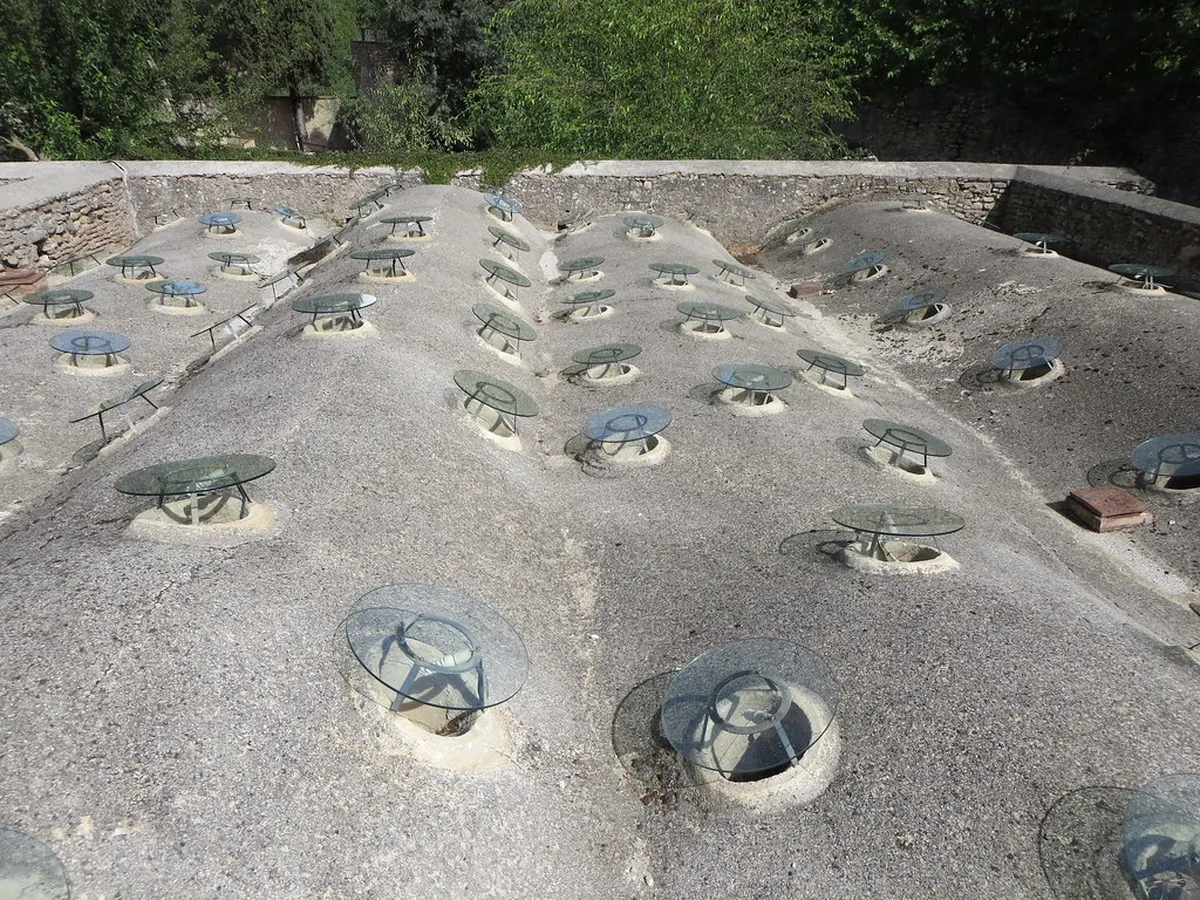
Table of Contents
Unveiling the Ancient Ronda Arab Baths Design
Ronda, Spain, stands as a city of breathtaking beauty. It hides numerous architectural wonders within its ancient walls. Among these, the Baños Árabes, or Arab Baths, truly captivate visitors.
They represent one of the best-preserved examples of Moorish baths. Their exquisite design offers a direct link to the region's rich Islamic past. This makes them a unique historical treasure.
Understanding the intricate Ronda Arab Baths design reveals centuries of cultural exchange. These baths showcase a remarkable blend of utility and artistry. They are a must-see for architecture enthusiasts. Another crucial site to consider is the Ronda Islamic Walls, which provide context to the baths' location.
This guide delves into their unique layout and key architectural features. We will explore what makes these ancient baths so special. Discover why they remain a compelling attraction in 2025.
A Glimpse into Moorish Heritage & Significance
The Baños Árabes date back to the 13th and 14th centuries. They were built during the Nasrid period. This makes them among the oldest and best-preserved in Spain.
These baths served crucial roles within the Moorish medina. They were centers for hygiene and purification. They also functioned as vital social gathering places.
Bathing was a religious requirement for Muslims. It was also a cherished social ritual. The baths fostered community and well-being. They exemplify Moorish architecture in Ronda.
They represent one of the few surviving examples of public baths from this period. Their historical significance cannot be overstated. Visitors can glimpse Ronda's Islamic past through their enduring design.
These baths embody a sophisticated understanding of water and heat. Their construction reflects advanced engineering for the time. This period also saw the construction of impressive structures like the Palacio de Mondragón.
Following the Christian Reconquest, many Islamic structures were lost. However, Ronda's baths survived largely intact. This preservation allows us to appreciate their original beauty today.
The Functional & Beautiful Layout of Ronda's Arab Baths
The Ronda Arab Baths design expertly blends function with aesthetic appeal. Its layout mirrors the classic Roman bath system. This system was adapted for Islamic use.
The bathing ritual involved a progression through different temperature rooms. Bathers began in cooler areas. They gradually moved towards warmer and hotter spaces. This systematic approach mirrors aspects of the Ronda Old Town architecture in its careful planning.
Upon entering, visitors first encountered the changing room. This area was known as the apodyterium. It provided space to prepare for the bath.
The large main hall served as the cold room, or frigidarium. It features elegant horseshoe arches. This space provided a gentle start to the bathing process. Learn more about the layout of the Baños Árabes in Ronda here.
Next was the tepidarium, the warm room. This area offered a comfortable transition. Bathers could relax, converse, and acclimatize here. It was a social hub, much like the courtyards of the Casa del Rey Moro.
The caldarium, or hot room, was the final stage. A furnace heated water in large boilers. Steam filled this intimate space. Hot water also flowed through pipes under the floor, warming the stone.
Iconic Design Elements: Star-Shaped Skylights & Vaulted Ceilings
A most striking feature of the Ronda Arab Baths design is the roof. The intricate vaulted ceilings are a marvel. They are pierced by numerous star-shaped skylights.
These skylights are not merely decorative elements. They served vital practical purposes. They allowed natural light to filter gently into the rooms, creating a serene glow.
The star shapes also permitted steam and hot air to escape efficiently. This ventilation prevented excessive humidity. It maintained a comfortable environment for bathers.
This ingenious design reflects advanced Islamic engineering. It demonstrates a deep understanding of light and air flow. They are a highlight of the baths' architecture.
Each star-shaped opening is subtly unique. Some are simple four-pointed stars. Others showcase more complex geometric patterns. Explore the star-shaped skylights of the Arab Baths in detail. They are truly an architectural detail to notice.
Experiencing the Ancient Baths Today: A Visitor's Guide
🌟 Local Expert Tip: Get the most out of your Madrid visit with guided tours!
Visiting the Ronda Arab Baths offers a profound cultural immersion. The site is now open for public exploration. You can walk through the impressively preserved ancient rooms.
The experience allows you to visualize the daily life of Moorish Ronda. Imagine the conversations and rituals that took place here. It’s a peaceful and contemplative visit.
Entry fees are quite affordable for your 2025 visit. Adult tickets typically cost around €4.50. Concessions are available for students, children, and seniors. Always confirm Ronda landmark ticket prices beforehand.
The baths are conveniently located below the Puente Viejo. They sit near the historic Almocábar Gate. Allow approximately 45 minutes to an hour for a thorough visit.
Audioguides enhance the experience significantly. They provide rich historical and architectural context. This helps you understand the baths' unique features. The atmosphere feels incredibly tranquil.
The site serves as a testament to diligent preservation efforts. These efforts ensure this historical masterpiece endures. It stands as one of Ronda's best preserved buildings for all to enjoy.
Frequently Asked Questions
What is the historical significance of the Ronda Arab Baths design?
The baths offer a crucial glimpse into Ronda's Moorish past. They represent a key aspect of Islamic daily life. They were centers for hygiene, purification, and social interaction. Their design showcases sophisticated 13th-14th century engineering. The baths belong to a rich Ronda architectural timeline.
Can you still use the Arab Baths in Ronda for bathing?
No, the Ronda Arab Baths are historical ruins. They are not functioning public baths today. Visitors can tour the site. They explore the original structures and admire the ancient design. There are no modern bathing facilities here.
Where exactly are the Arab Baths located in Ronda, Spain?
The baths are situated in the lower part of Ronda. They lie beneath the city's famous Puente Viejo bridge. This area is close to the historic Almocábar Gate. They form an important part of Ronda's old town architecture. Follow signs for "Baños Árabes."
What makes the star-shaped skylights unique?
These skylights are iconic and highly functional. They allowed natural light to softly illuminate the baths. Crucially, they also provided ventilation for steam. This clever design is a hallmark of Islamic architecture. It highlights thoughtful engineering.
The Ronda Arab Baths design stands as an enduring marvel. It provides a vivid connection to Spain's rich Moorish heritage. Their preservation is a testament to their architectural significance.
From the precise functional layout to the enchanting star-shaped skylights, every detail is intentional. These baths offer a powerful glimpse into a bygone era. They truly tell a captivating story.
Do not miss the opportunity to explore this historical gem in 2025. Experience the tranquility and ingenuity firsthand. It is an essential part of Ronda's preserved heritage. Plan your visit to discover their ancient secrets.
Key Takeaways
- The Ronda Arab Baths showcase exceptional 13th-14th century Moorish design.
- Their unique layout includes cold, warm, and hot rooms for a ritualistic bathing process.
- Star-shaped skylights are a key design element, providing light and essential ventilation.
- Visiting in 2025 offers a deep dive into Ronda's rich history and architectural ingenuity.
- Entry fees are affordable (€4.50 approx.); plan 45-60 minutes for a comprehensive tour.