
Discovering the Ancient Layout of Baños Árabes in Ronda
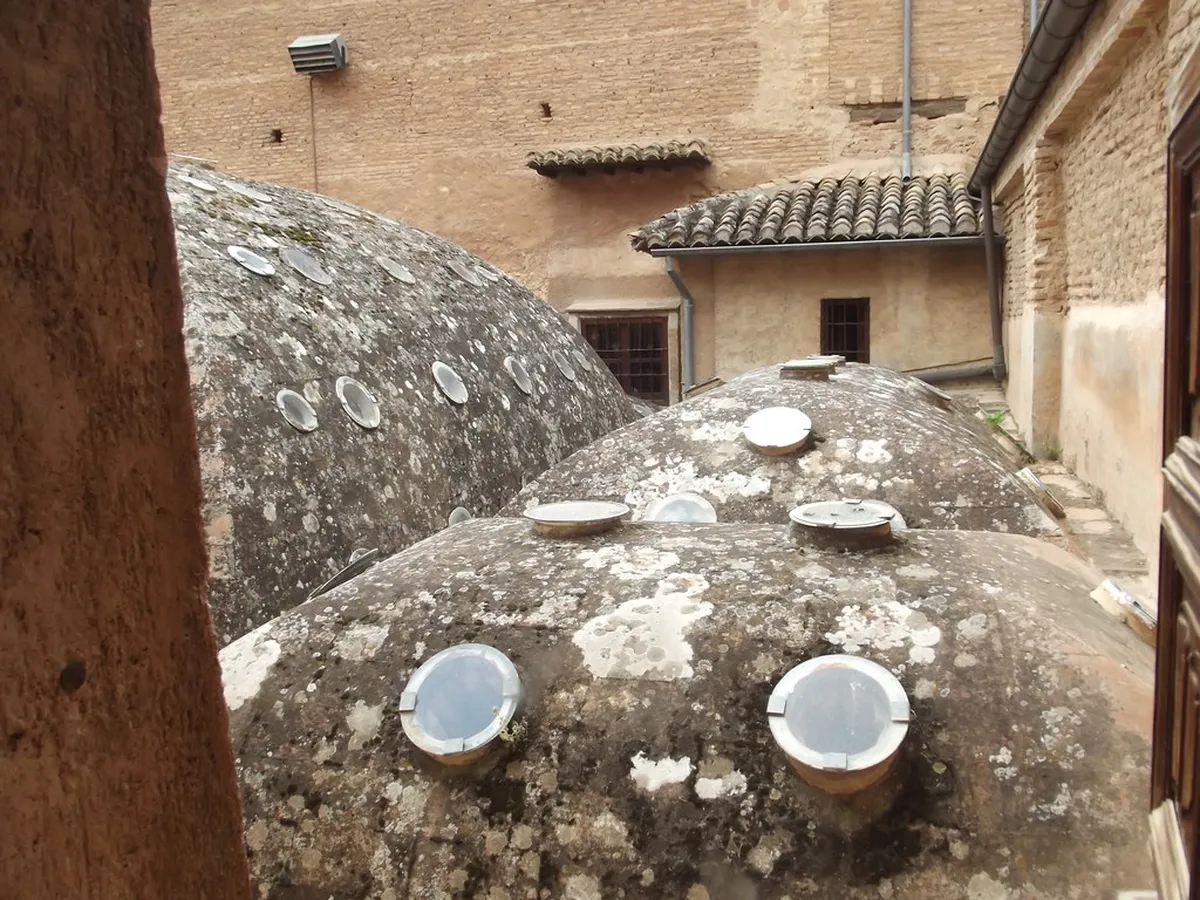
Table of Contents
Explore the Ancient Baños Árabes Layout in Ronda
Ronda, Spain, holds a rich history within its ancient walls. The Baños Árabes, or Arab Baths, represent a significant part of this heritage. They are among the best-preserved Islamic baths in all of Spain. Understanding the layout of the Baños Árabes in Ronda enhances your visit. This guide explores their intricate design and purpose. Discover more about Moorish architecture in Ronda as you plan your trip.
The Traditional Hammam Layout: A Journey Through Water
Ancient Islamic hammams followed a specific design principle. The layout mirrored Roman bathhouses, offering a social and hygienic space. Visitors progressed through a series of rooms, each with a distinct temperature. This sequence was essential for the bathing ritual. The Baños Árabes in Ronda perfectly exemplify this traditional structure.
Entry began in the reception area, leading to changing rooms. From there, bathers moved into the cold room. Next came the warm room, which was usually the largest. Finally, a small hot room provided intense heat for purification. This thoughtful progression ensured a complete cleansing experience. Learn more about the overall Ronda Arab Baths design before your visit.
These baths served as important community hubs. People would gather for conversation and relaxation. They also performed religious ablutions here. The carefully planned layout facilitated both communal activities and personal reflection. Its functional design reflects a deep understanding of human needs.
The Cold Room (Sala Fría): A Gentle Beginning
Your journey through the Baños Árabes layout in Ronda starts in the Sala Fría. This is the cold room, designed for initial preparation and cooling down. It typically features cool water basins for rinsing. The room's architecture promotes a sense of tranquility. Its serene atmosphere prepares visitors for the next stages.
This space offers a refreshing start to the bathing sequence. Look for sturdy brickwork and simple, elegant arches. These elements showcase the enduring craftsmanship of the period. The original design prioritized both function and aesthetics. Consider these architectural details to notice during your visit.
The Warm Room (Sala Templada): The Heart of the Baths
The Sala Templada, or warm room, is the central and largest area. This room served as the main gathering place for bathers. Its spacious design allowed for ample social interaction. You will notice the distinctive horseshoe arches and sturdy columns here. These features define the elegant Ronda Arab Baths design.
The most striking feature of this room is its ceiling. Numerous star-shaped skylights pierce the vaulted roof. They allowed natural light to filter in, creating a magical ambiance. These unique openings are known as lucernarios. The light also provided ventilation for the warm, humid air. Explore the unique star-shaped skylights of the Arab Baths for a closer look.
The warm room provided a comfortable temperature for extended stays. Bathers could relax, converse, and receive massages here. Its functional layout supported a range of activities. This space truly embodied the social spirit of the hammam. Imagine the bustling life that once filled these halls in 2025.
The Hot Room (Sala Caliente): Purification and Steam
💡 Pro Tip: Book your Madrid adventures in advance through Viator for the best deals!
Following the warm room, bathers entered the Sala Caliente. This small, intensely hot room was crucial for deep cleansing. Steam enveloped the space, opening pores and purifying the body. The heat was generated by an ingenious hypocaust system. This ancient method heated the floor and walls from below.
The furnace room, located outside the main bathing area, fueled the heat. Workers maintained a constant fire, sending hot air and steam through channels. This efficient design ensured maximum heat retention. It highlights the advanced engineering of the Moorish era. Learn about Ronda's building materials that made such structures possible.
The Sala Caliente marked the final stage of the bathing ritual. It provided the most intense part of the experience. This purification was both physical and spiritual for many. The layout ensured a smooth transition through all stages of cleansing. It allowed for a comprehensive and holistic bathing process.
Visiting Baños Árabes in 2025: Practical Insights
⭐ Recommendation: Don't miss out on amazing Madrid tours - book now!
The Baños Árabes in Ronda are a must-see historical site. They are located near the Old Bridge, in the lower part of town. The address is Barrio de San Miguel, C/ Molino de Sangre, s/n. Allow about one hour for your visit. You can truly appreciate the ancient layout at your own pace. The site offers a glimpse into a bygone era.
As of 2025, entrance fees are approximately €3.50 per person. Please confirm current Ronda landmark ticket prices before your visit. Opening hours vary by season, typically 10:00 AM to 6:00 PM. Mornings are generally less crowded. This allows for a more peaceful experience.
Look closely at the water conduits and original brickwork during your visit. Consider joining a local architecture tour. These tours can provide deeper insights into the Baños Árabes' layout and history. This well-preserved site offers a unique educational opportunity.
Frequently Asked Questions
What is the primary function of each room in the Baños Árabes layout?
The Baños Árabes layout features three main rooms. The Sala Fría (cold room) served as an initial cool-down and preparation area. The Sala Templada (warm room) was for relaxation and social interaction. Finally, the Sala Caliente (hot room) provided intense heat and steam for purification. This sequence was fundamental to the bathing ritual.
Are the Baños Árabes in Ronda well-preserved for visitors in 2025?
Yes, the Baños Árabes in Ronda are exceptionally well-preserved. They offer a clear picture of ancient Moorish bathhouse design. You can easily discern the different room layouts. The structure, including the unique skylights, remains largely intact. This makes them a highlight of any Ronda architecture guide.
What unique architectural features can I see in the Ronda Arab Baths?
Visitors should look for several key architectural features. The most famous are the star-shaped skylights in the warm room. These create beautiful light patterns. Also, observe the intricate horseshoe arches and robust columns. The underfloor heating system's remnants are also visible. These details highlight the sophisticated Ronda Arab Baths design.
The layout of the Baños Árabes in Ronda offers a profound glimpse into Moorish life. Its functional and beautiful design stands as a testament to ancient ingenuity. Visiting this site provides a tangible connection to history. It is a true architectural gem in Andalusia. Plan your visit to these incredible baths soon. Experience this preserved heritage firsthand and explore more Ronda heritage.
Key Takeaways
- The Baños Árabes follow a three-room layout: cold, warm, hot.
- Star-shaped skylights (lucernarios) are a unique design feature.
- An ancient hypocaust system once heated the baths from below.