
Exploring Ronda Old Town Architecture Guide 2025
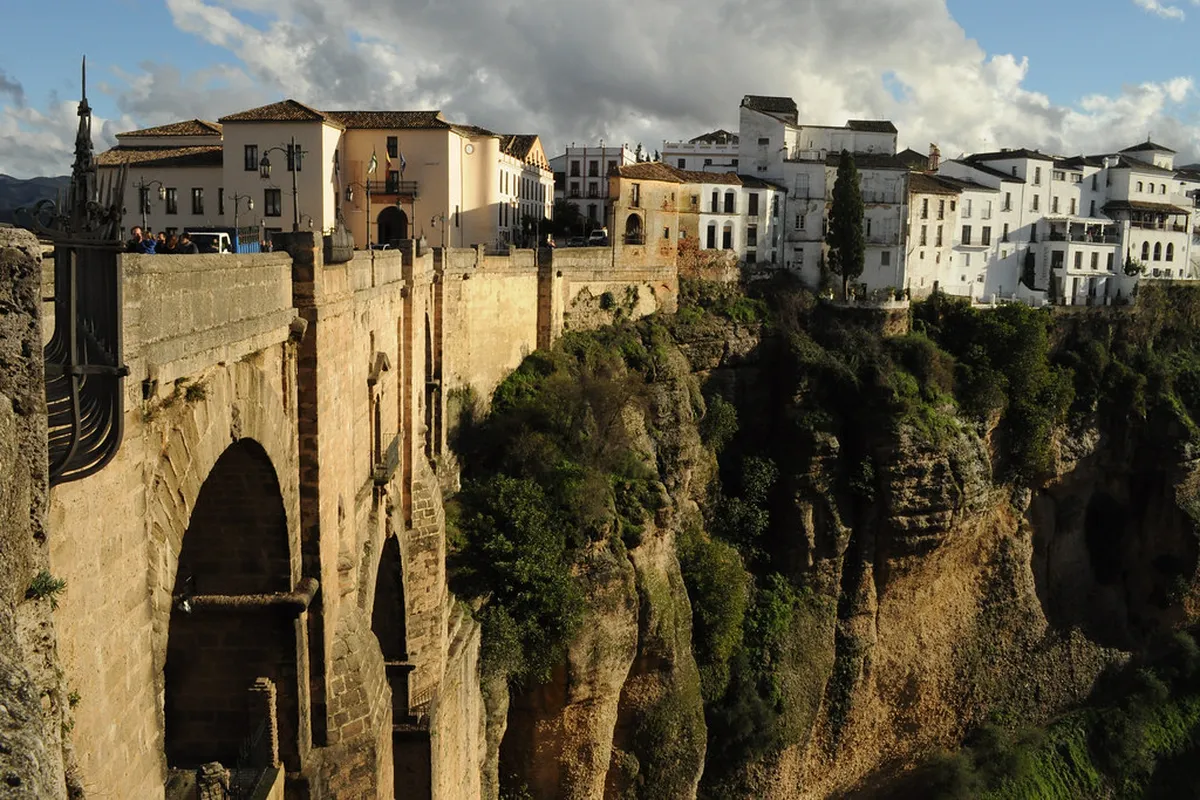
Table of Contents
Uncovering Ronda's Old Town Architecture in 2025
Ronda's old town, known as La Ciudad, offers a captivating journey. Its rich history unfolds through stunning architecture. Exploring Ronda old town architecture reveals centuries of diverse influences. This guide highlights the unmissable architectural gems.
Prepare for an unforgettable trip in 2025. You will uncover hidden corners and grand monuments. Learn more about Ronda's comprehensive architectural styles. Start your adventure in this beautiful Andalusian town.
Discovering La Ciudad: Ronda's Historic Heart
Ronda’s old town, La Ciudad, sits majestically atop a gorge. This district showcases a remarkable architectural timeline. Moorish, Renaissance, and Baroque styles coexist harmoniously here. Each era left an indelible mark on its buildings.
Wandering its narrow, winding streets feels like stepping back in time. Stone pavements and whitewashed walls create a charming atmosphere. The ancient layout guides visitors through centuries of history. Explore the unique layout of La Ciudad district for a deeper understanding. Discover architectural differences in Ronda's old town.
Many buildings feature intricate details. Look for ornate iron balconies and heavy wooden doors. These elements define much of the local aesthetic. The architectural harmony makes Ronda a true visual delight. Spot these exquisite architectural details during your visit.
Moorish Architecture in Ronda's Old Town
The Moorish period profoundly shaped Ronda's old town architecture. This influence dates back to the 8th century. Arches, intricate tilework, and serene courtyards are common. They reflect a rich Islamic heritage throughout La Ciudad.
A prime example is the Baños Arabes, or Arab Baths. These incredibly preserved baths showcase Islamic design. They offer a glimpse into daily life centuries ago. Entrance fees are typically around €3.50. Dive deeper into the fascinating design of Ronda's Arab Baths.
The Palacio de Mondragón also retains Moorish elements. Its beautiful courtyards and gardens are a testament. Although later modified, original features remain evident. The palace offers a blend of styles over time. Discover more about Moorish architecture in Ronda.
Even the city walls and gates show Moorish construction. These ancient defenses protected the town. They stand as enduring symbols of early Ronda. Their robust design speaks volumes about the past.
Renaissance and Baroque Influences
Following the Reconquista, Christian rule brought new styles. Renaissance architecture introduced grander, more classical forms. Symmetry and proportion became key design principles. This era transformed many existing structures.
The Church of Santa María la Mayor stands out. It began as a mosque then evolved over centuries. Its Renaissance and Baroque additions are truly striking. The interior features magnificent altarpieces. Explore the history and architecture of Santa María la Mayor Church.
Baroque elements added drama and ornamentation. Swirling motifs and elaborate facades emerged. These details can be seen on many religious buildings. They provide a rich contrast to simpler Moorish designs. See examples of baroque buildings in Ronda's old town.
The Palacio de Mondragón also received significant Renaissance updates. Its grand façade and internal layout reflect these changes. This palace exemplifies the blending of cultures. It showcases Ronda's complex architectural timeline. Uncover the full history of Palacio de Mondragón.
Ronda's Defensive Walls and Gates
🎯 Insider Tip: Discover the best Madrid experiences with Viator Tours!
Ronda's strategic location required formidable defenses. The old town is encircled by ancient walls. These structures protected the city for centuries. They are integral to Ronda old town architecture.
The Almocábar Gate is a magnificent example. It was the main southern entrance to La Ciudad. Its robust design features horseshoe arches. This gate reminds visitors of Ronda's turbulent past. Understand the unique architecture of Almocábar Gate.
Other remnants of defensive walls can be explored. Walking along these ancient fortifications is fascinating. You gain perspective on the town's history. These structures offer incredible views of the countryside. Take an informative tour of Ronda's Islamic walls.
These structures represent vital components of Ronda's heritage. They highlight the defensive needs of earlier eras. Visitors can easily access many sections today. Plan to spend an hour exploring these significant sites.
Traditional Homes and Patios of La Ciudad
Beyond the grand monuments, everyday architecture fascinates. Traditional Ronda homes are characterized by whitewashed walls. These simple yet elegant designs keep interiors cool. They contribute to the iconic 'white villages' aesthetic.
Many houses feature charming iron balconies. These often adorn windows and provide small outdoor spaces. They add a touch of grace to the otherwise austere facades. These balconies are perfect for people-watching. Discover more about Ronda's iconic iron balconies.
Andalusian patios are another key element. Hidden behind unassuming doors, they offer serene havens. These courtyards provide light, air, and privacy. They often feature plants, fountains, and intricate tilework. Explore Ronda's beautiful historic Andalusian patios.
Some historic homes are now open to the public. They offer a unique insight into local living. These architectural gems define the residential character. Stroll through the streets to admire them all.
Frequently Asked Questions
What architectural styles can I see in Ronda old town?
Ronda old town architecture showcases a rich blend of styles. You will find significant Moorish influences. This includes intricate arches and tilework. Later periods added Renaissance and Baroque elements. Discover Ronda's full architectural timeline. Neoclassical touches also appear in some areas.
The predominant styles are Moorish, Renaissance, and Baroque. Traditional Andalusian houses with whitewashed walls are also common. These different styles tell Ronda's complex history. They create a truly unique visual experience.
How much does it cost to visit major architectural sites in Ronda?
Visiting major architectural sites in Ronda varies in cost. Entry to the Baños Arabes is around €3.50. The Palacio de Mondragón typically costs about €4.50. Some churches, like Santa María la Mayor, might request a small donation. Check specific Ronda landmark ticket prices for 2025. Many old town areas and defensive walls are free to explore.
Where are the best spots for architectural photos in Ronda's old town?
Ronda's old town offers many stunning photo opportunities. The Puente Nuevo provides iconic views of the gorge and old town. Capture its grandeur from the Mirador de Aldehuela. Find more of the best architectural photo spots in Ronda.
The Arab Baths offer atmospheric interiors. The courtyards of Palacio de Mondragón are also very picturesque. Don't forget the narrow, winding streets of La Ciudad itself. Explore the Almocábar Gate for dramatic shots. Consider a Ronda architecture walking tour to discover hidden gems.
Ronda old town architecture is a magnificent tapestry of history. From ancient Moorish designs to grand Renaissance structures, every corner tells a story. This guide helps you appreciate each unique detail. It is a destination rich in cultural and historical significance.
Plan your visit to Ronda in 2025 to experience this architectural wonder. Walk its historic streets and marvel at its beauty. Start planning your architectural tour today. Ronda truly offers an unforgettable journey through time.
Key Takeaways
- Ronda's old town (La Ciudad) showcases Moorish, Renaissance, and Baroque styles.
- Visit the Baños Arabes for well-preserved Moorish architecture (approx. €3.50).
- Explore the Palacio de Mondragón for a blend of historical influences (approx. €4.50).
- Walk along the ancient city walls and Almocábar Gate for defensive architecture.
- Don't miss the traditional whitewashed homes and serene Andalusian patios.