
The Rich Palacio de Mondragón History in Ronda
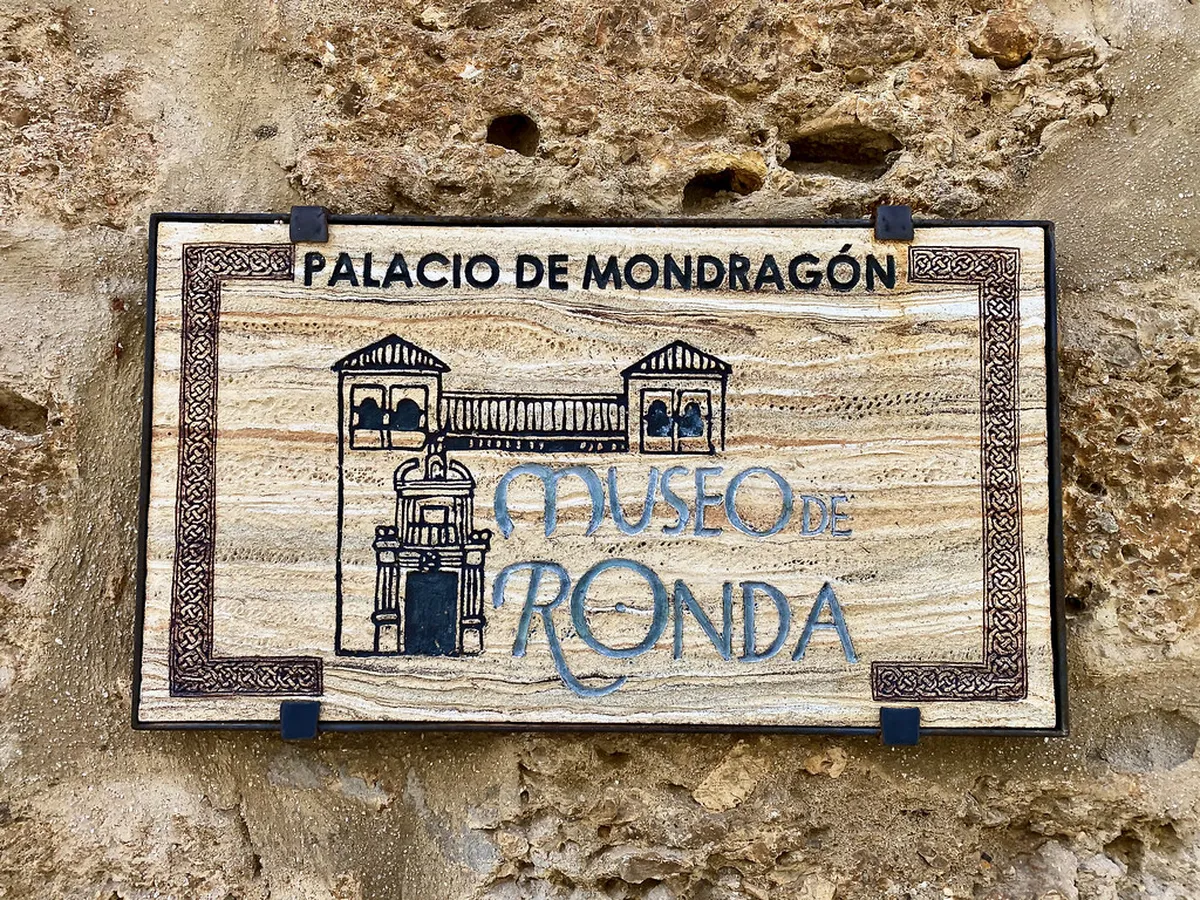
Table of Contents
Uncovering Palacio de Mondragón's Fascinating Past
Ronda, Spain, boasts a deep, fascinating history. Among its treasures is the magnificent Palacio de Mondragón. This palace offers a captivating journey through time. Its walls tell stories of ancient rulers and noble families.
Understanding the Palacio de Mondragón history reveals Ronda's diverse past. From Moorish kings to Christian aristocrats, many have shaped it. Prepare to explore this architectural gem. It stands as a testament to centuries of change in Andalusia. Discover more about Ronda's unique architecture on your visit.
Moorish Majesty: The Nasrid Origins
The Palacio de Mondragón began as a royal residence. Moorish rulers built it during the Nasrid dynasty. They established it in the 14th century. Historians believe King Abomelic, or his son Abul-Hasan, resided here.
This early palace was a marvel of Moorish design. It featured exquisite courtyards and intricate tile work. The gardens likely provided a tranquil escape. It reflects the sophistication of Moorish architecture in Ronda.
Remains of its original splendor are still visible today. The beautiful main courtyard shows Mudejar influences. This style blends Moorish and Christian elements. It showcases a rich cultural exchange over centuries.
The palace served as a strategic point in the city. Its location provided excellent views. It offered both beauty and defensive advantages. This period formed the foundation of the Palacio de Mondragón history.
Christian Conquest and Royal Transformation
Ronda fell to the Catholic Monarchs in 1485. This event marked a new chapter for the palace. The city's conquest brought significant changes. The Palacio de Mondragón transitioned from Moorish to Christian hands.
King Ferdinand and Queen Isabella briefly stayed here. They adapted the palace for their needs. This royal endorsement further elevated its status. It became a symbol of Christian dominance in the region.
Later, the Valenzuela family acquired the property. They were a prominent noble family. They initiated significant renovations and expansions. Their additions merged Renaissance and Gothic styles into the existing structure.
The palace's defensive features were also altered. Windows replaced some battlements. These changes softened its military appearance. Learn more about Ronda's architectural timeline. It details these historical transitions.
Renaissance Splendor: Noble Family Influence
The 16th and 17th centuries saw further transformations. The Mondragón family became the palace's owners. Their influence brought a distinct Renaissance character. They added grand elements and elegant details.
Key additions include the magnificent central courtyard. It features impressive arches and columns. These elements reflect the Renaissance influence in Ronda. The noble families aimed for grandeur and comfort.
The gardens also saw significant redesign. They adopted a more formal, structured layout. Water features and manicured hedges became prominent. These gardens provided a serene retreat for the residents.
Visitors today can admire these layers of history. Each renovation added to its unique charm. The blend of styles makes it a fascinating site. It stands as one of Ronda's best preserved buildings.
Exploring the Palacio Today: Museum and Gardens
⭐ Recommendation: Don't miss out on amazing Madrid tours - book now!
Today, the Palacio de Mondragón serves as Ronda's Municipal Museum. It houses artifacts from various periods. The museum offers insights into the city's rich past. Visitors can explore its historical exhibits.
The museum showcases archaeological findings. These include Roman and prehistoric remains. You can also view traditional costumes and tools. It provides a comprehensive view of Ronda's heritage.
Do not miss the stunning water gardens. They are a highlight of the palace. These Moorish-inspired gardens offer tranquility. They provide spectacular views over the gorge. Discover more about Ronda's historic Andalusian patios.
The palace is located at Plaza de Mondragón, 29400 Ronda. It opens daily from 10:00 AM to 6:00 PM. Check opening hours for 2025 before your visit. Admission costs approximately 4-5 Euros.
Visiting Palacio de Mondragón: Practical Tips for 2025
Plan your visit to the Palacio de Mondragón carefully. Arrive early in the day to avoid crowds. The mornings offer a more peaceful experience. You can fully appreciate its beauty without rush.
Consider purchasing your tickets upon arrival. Group discounts may be available for larger parties. Most visitors spend about 1-2 hours exploring. This allows time for both the museum and gardens.
Wear comfortable shoes for walking around the palace and gardens. The paths can be uneven in some areas. Bring a camera for excellent photo opportunities. The views from the gardens are breathtaking.
The palace is a key stop on any Ronda architectural walking tour. It is easily accessible from the city center. Combine your visit with nearby attractions. These include the Puente Nuevo bridge. Consult a guide to Ronda landmark ticket prices for budgeting.
Frequently Asked Questions
What is the primary significance of Palacio de Mondragón history?
The Palacio de Mondragón's history is significant because it reflects Ronda's diverse past. It transitioned from a Moorish royal residence to a Christian noble home. This blend of cultures is visible in its architecture. It showcases the region's historical evolution.
Who lived in the Palacio de Mondragón initially?
Moorish kings of the Nasrid dynasty first resided here. King Abomelic is often credited with its original construction. After the Christian conquest, various noble families owned it. This includes the Valenzuela and Mondragón families. Explore other historic houses in Ronda.
Can I visit the Palacio de Mondragón gardens?
Yes, the Palacio de Mondragón's gardens are a major attraction. They feature stunning Moorish-inspired designs. Visitors can enjoy peaceful courtyards and impressive views. These gardens are an integral part of the palace experience. Discover the unique architectural styles of the Palacio de Mondragón.
The Palacio de Mondragón offers a unique glimpse into Ronda's soul. Its rich history spans centuries of cultural shifts. From Moorish kings to Christian nobles, each era left its mark. The palace stands as a living museum.
Exploring its patios, rooms, and gardens provides valuable insights. It connects visitors to Ronda's vibrant past. Do not miss this essential historical landmark. Plan your memorable visit to this incredible site in 2025. Begin your journey into the Ronda Old Town architecture.
Key Takeaways
⭐ Recommendation: Don't miss out on amazing Madrid tours - book now!
- Palacio de Mondragón blends Moorish and Renaissance architectural styles.
- It served as a royal residence for Moorish kings and later for Christian nobility.
- The palace now houses Ronda's Municipal Museum and features beautiful water gardens.