
Gaudí's La Seu Cathedral Renovations Explained in Palma
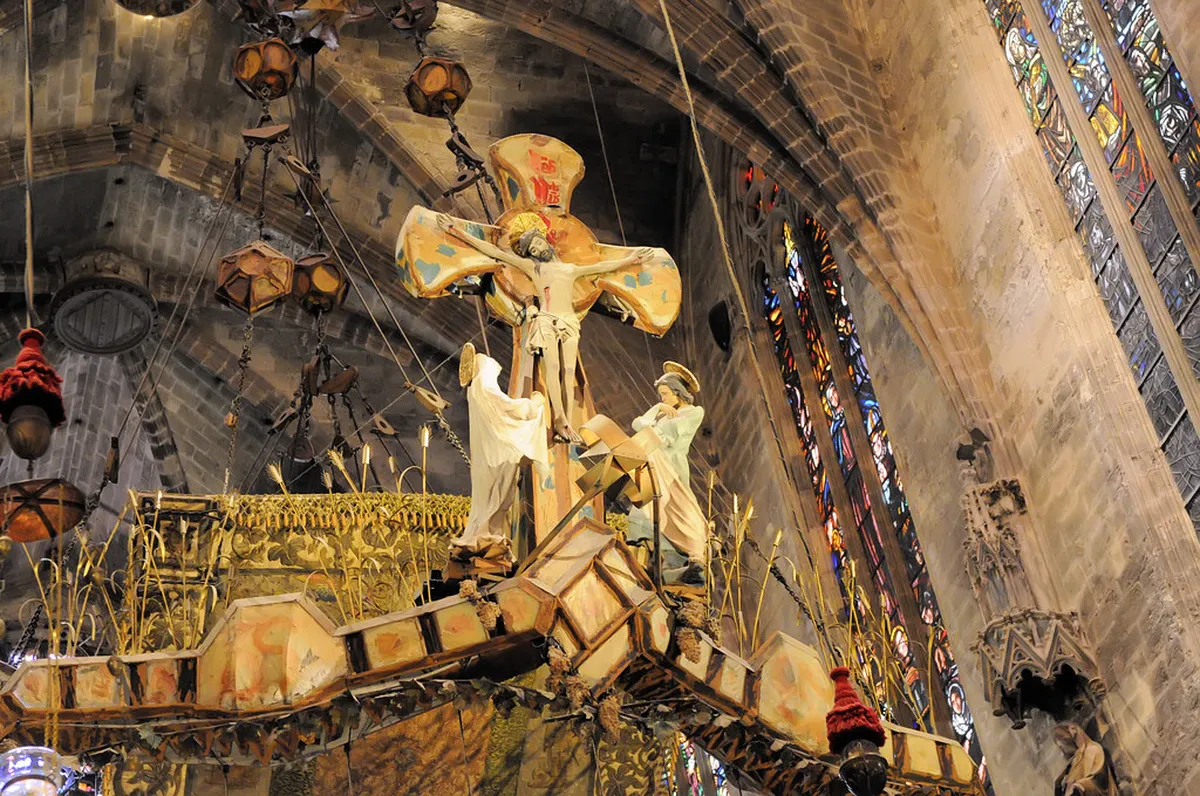
Table of Contents
Discover Gaudí's Vision for La Seu Cathedral in Palma
Palma de Mallorca boasts incredible historical architecture. Among its treasures is La Seu Cathedral, a magnificent Gothic masterpiece. However, a famous Catalan modernist left his mark here. We will explore La Seu Cathedral's architecture and Gaudí's unique contributions. Antoni Gaudí's renovations significantly altered its interior.
His work blended seamlessly with the existing structure. These changes offer a fascinating study in architectural evolution. Discover how Gaudí brought new life to this ancient space. Join us to understand Gaudí's architecture in Palma and its lasting impact.
Gaudí's Revolutionary Approach to La Seu
Antoni Gaudí undertook significant renovations at La Seu. Bishop Pere Campins invited him in 1903. This project aimed to modernize the cathedral's liturgical space. Gaudí's work lasted until 1914, transforming the interior.
He approached the task with his characteristic modernist flair. Gaudí respected the original Gothic structure greatly. His goal was to enhance light, color, and functionality. He envisioned a more spiritual and welcoming environment.
Gaudí's initial plans were grand and sweeping. They involved moving the choir and creating new altarpieces. He also focused on improving the lighting within the nave. This unique collaboration highlights the architectural richness of Palma. Many of his innovative ideas shaped the cathedral's current appearance.
Unpacking Gaudí's Major Changes
Gaudí's most visible contribution is the main altar canopy. This intricate wrought-iron structure hangs majestically. It resembles a crown of thorns or a fishing net. The canopy features symbolic elements and vibrant Majorcan ceramics.
He also repositioned the choir stalls. These were moved from the central nave to the presbytery. This change opened up the main space for worshippers. It significantly altered the cathedral's internal flow. Explore these architectural details in Palma carefully.
Lighting was another key focus for Gaudí. He improved both natural and artificial illumination. Gaudí designed new stained-glass elements and electric chandeliers. He believed light enhanced the spiritual experience. His work created a brighter, more engaging interior. Many modernist artists drew inspiration from his work on modernist buildings in Palma.
Visiting La Seu and Its Gaudí Legacy Today
Visiting La Seu Cathedral in 2025 reveals Gaudí's enduring legacy. His canopy remains a central focal point. The redesigned altar area still serves its liturgical purpose. You can admire his innovative use of materials.
The cathedral is generally open for visitors daily. Hours are typically 10:00 AM to 5:15 PM Monday through Friday. Saturdays often have shorter hours, 10:00 AM to 2:15 PM. Check the official website for exact times and religious service closures. Entry fees are approximately 9-10 Euros per person. However, prices are subject to change. Religious architecture in Palma offers a deep dive into its history.
Look closely at the subtle details. The use of colorful ceramics and unique ironwork stands out. While Gaudí left the project unfinished, his vision is clear. His work beautifully complements the cathedral's original Gothic architecture. It offers a unique blend of styles. This makes La Seu a truly special place to explore.
Frequently Asked Questions
🌟 Local Expert Tip: Get the most out of your Palma de Mallorca visit with guided tours!
Why did Antoni Gaudí renovate La Seu Cathedral?
Bishop Pere Campins commissioned Gaudí in 1903. The goal was to update the cathedral's interior. He wanted to modernize the liturgical space for the 20th century. Gaudí aimed to improve light, color, and functionality. He sought to create a more impactful spiritual environment. His efforts are a testament to his architectural genius. Learn more about Palma's Old Town architecture.
What are the most notable Gaudí additions in La Seu Cathedral?
Gaudí's most famous addition is the elaborate wrought-iron canopy. It hangs above the main altar. He also redesigned the episcopal chair and choir stalls. He incorporated new stained-glass windows and electric lighting. These elements brought his distinct modernist touch. His specific changes highlight Palma Cathedral's artistic diversity.
Is Gaudí's work still visible inside La Seu Cathedral today?
Yes, much of Gaudí's work remains preserved today. The iconic canopy is a permanent fixture. Visitors can see the relocated choir stalls and altered altar area. His lighting and decorative elements are also prominent. These elements contribute significantly to the cathedral's unique character. You can experience his vision during your visit. Consider exploring other Gaudí sites in Palma.
Antoni Gaudí's renovations at La Seu Cathedral are truly remarkable. He masterfully blended modernist innovations with Gothic grandeur. His legacy continues to draw visitors from around the globe. This unique architectural dialogue makes La Seu a must-see. Plan your visit to this stunning Palma landmark. Discover more architectural wonders for yourself.
Key Takeaways
- Gaudí's renovations integrated modernist design with Gothic architecture, enhancing light and functionality.
- The iconic wrought-iron canopy above the main altar is his most striking contribution.
- Visitors in 2025 can still experience Gaudí's unique vision and influence within the cathedral's interior.