
Gaudí Architecture in Palma: La Seu Cathedral Guide
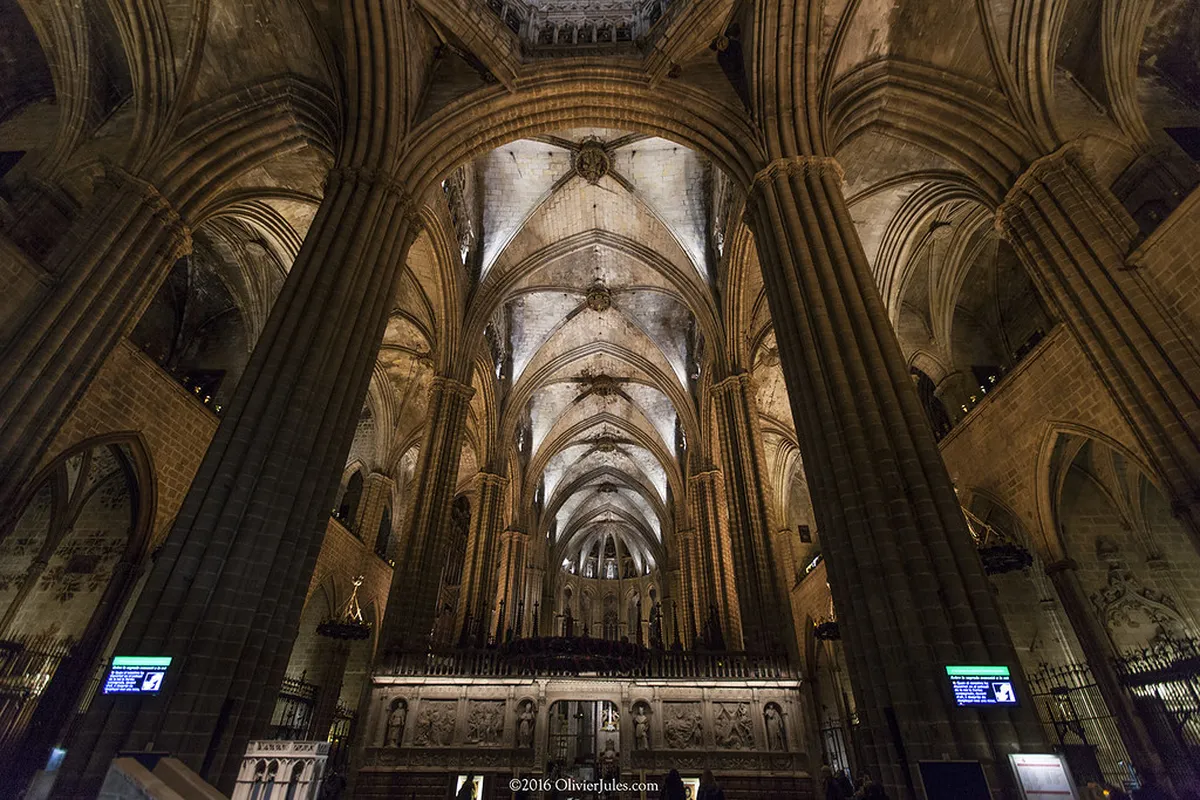
Table of Contents
Gaudí's Influence: Unveiling Palma's La Seu Architecture
Palma de Mallorca, a stunning island capital, boasts incredible architectural diversity. Many visitors seek out Gaudí architecture in Palma. Antoni Gaudí, the legendary Catalan architect, left his mark here. His unique style transformed a major landmark in the city. You can explore the fascinating Palma de Mallorca architecture guide for more details. This article delves into Gaudí’s profound influence on Palma’s grand cathedral. Discover the genius behind these impressive changes. Learn about the iconic La Seu Cathedral.
Gaudí's Transformative Work at La Seu Cathedral
Antoni Gaudí undertook a significant project in Palma. He worked on the La Seu Cathedral from 1903 to 1914. Bishop Pere Campins commissioned these ambitious renovations. Gaudí brought his distinct Modernisme style to the Gothic structure. This blend of styles created a truly unique interior space.
His vision aimed to enhance visibility and light within the cathedral. He removed the old Gothic altarpiece. This bold move opened up the central nave considerably. It allowed natural light to flood the main altar area. Gaudí also reorganized the choir stalls. They were moved to a different location.
Gaudí's work focused on improving liturgical functionality. He introduced innovative lighting solutions. Large stained-glass windows were repositioned or restored. The architect also designed new liturgical furniture. These pieces included the elaborate baldachin over the main altar. This structure is a focal point for all visitors. You can learn more about its original Gothic architecture too.
The iconic Crown of Thorns baldachin hangs above the altar. It symbolizes Christ's Passion. Its intricate details and unique lighting are captivating. Gaudí’s work here showcases his innovative spirit. He fused tradition with bold artistic expression. This project truly exemplifies his genius. Witnessing this piece is a highlight for many visitors in 2025.
Unpacking Gaudí's Modernisme Vision in Palma
Gaudí's architectural style, Modernisme, defines his work. This Catalan movement flourished in the late 19th and early 20th centuries. It emphasized organic forms and intricate details. His Palma project brought these elements to a sacred space. The cathedral's interior now reflects his artistic philosophy.
He used natural light as a key design element. Gaudí understood its spiritual significance. He incorporated colorful mosaics and stained glass. These additions bathe the sanctuary in vibrant hues. The interplay of light and color creates an ethereal atmosphere. It truly enhances the worship experience.
Gaudí's approach was revolutionary for its time. He wasn't just renovating; he was reimagining the space. He respected the cathedral's Gothic origins. Yet, he infused it with a fresh, modern sensibility. This fusion is evident throughout his additions. You can see similar themes in other Modernist buildings in Palma.
His designs often draw inspiration from nature. He used organic curves and structural innovations. The baldachin's form evokes natural elements. Even the smallest details reflect this connection. This vision makes his contribution profoundly unique. It stands out in Palma's rich architectural history.
Key Architectural Highlights of Gaudí's La Seu
When visiting La Seu Cathedral, pay attention to specific Gaudí elements. The most prominent is the baldachin over the main altar. Its delicate ironwork and suspended lamps are masterful. This piece took years to complete. Its design evokes both a crown and a canopy.
Another notable feature is the repositioned choir stalls. These were moved from the central nave to the sides. This change opened up the main sightlines. It allowed an unobstructed view of the altar. The space feels much grander because of this alteration. This careful adjustment transformed the user experience.
Look closely at the wrought-iron elements. Gaudí designed various grilles and candelabras. These pieces feature his characteristic organic motifs. They blend seamlessly with the cathedral's existing stonework. His attention to detail is truly remarkable. These small touches add significant character.
Don't miss the enormous rose window. While not solely Gaudí's, his interventions enhanced its impact. He ensured maximum light penetration. The colors from this window are breathtaking. Visit in the morning for the best light. This makes for fantastic Palma architecture photography. The entire experience of exploring Gaudí's influence on La Seu is unforgettable.
Beyond La Seu: Are There Other Gaudí Buildings in Palma?
🎯 Insider Tip: Discover the best Palma de Mallorca experiences with Viator Tours!
Many travelers wonder about more Gaudí architecture in Palma. The answer is quite specific. Antoni Gaudí's primary work in Palma was exclusively at La Seu Cathedral. He did not design other complete buildings in the city. His 11-year involvement focused entirely on this grand project.
However, his influence extended beyond his direct work. Gaudí's Modernisme style inspired local architects. They incorporated similar elements into their designs. You can see echoes of his organic forms in other structures. Explore other Art Nouveau buildings in Palma. They share some stylistic similarities.
One architect, Joan Rubió i Bellver, was Gaudí's disciple. Rubió worked with Gaudí on La Seu Cathedral. He later designed other buildings in Mallorca. These include Can Casasayas and Pensión Menorquina. While not by Gaudí himself, they show his influence. These buildings reflect the Modernisme spirit. You can find them in Palma's historic center.
So, while La Seu is the main attraction for Gaudí enthusiasts, keep an eye out. The city's Palma Old Town architecture features many gems. It shows the lasting impact of this influential era. For more context, read about whether Gaudí designed other buildings in Palma. This helps clarify his limited direct involvement.
Planning Your Visit to See Gaudí's Palma Masterpiece
Visiting La Seu Cathedral is easy and rewarding. The cathedral is centrally located in Palma. It sits proudly overlooking the Parc de la Mar. Admission costs around 9-12 Euros for adults in 2025. Children usually have reduced rates. Always check the official website for current prices and hours.
The cathedral typically opens Monday through Saturday. Opening times vary by season. It usually closes for services in the early afternoon. Plan to spend at least 1-2 hours exploring. Consider an audio guide for deeper insights. This will help you understand Gaudí's specific contributions.
Book your tickets online in advance, especially during peak season. This helps avoid long queues. Wear comfortable shoes, as you will do a lot of walking. Consider combining your visit with a Palma architecture walking tour. Many tours pass by or include the cathedral.
The cathedral is easily accessible by public transport or on foot. It is close to many other attractions. These include the Royal Palace of Almudaina. After your visit, enjoy a stroll along the waterfront. This provides stunning views of the cathedral. Make sure to visit the magnificent religious architecture in Palma.
Frequently Asked Questions
What specifically did Gaudí design in Palma de Mallorca?
Antoni Gaudí primarily designed the interior renovations of La Seu Cathedral. His work included the iconic baldachin over the main altar. He also repositioned the choir stalls for better visibility. Gaudí introduced innovative lighting and decorative elements. These elements enhanced the cathedral's overall aesthetic and function. His work transformed the Gothic space.
Is there any other Gaudí architecture in Palma besides the cathedral?
No, Gaudí's direct architectural contributions in Palma are limited to La Seu Cathedral. He did not design any other complete buildings in the city. However, his Modernisme style influenced local architects. You can find similar design elements in other early 20th-century buildings. These structures often feature organic forms. Architectural details across Palma showcase this broader movement.
When is the best time to see Gaudí's influence at La Seu Cathedral?
The best time to visit La Seu Cathedral is during the morning. This allows you to experience the vibrant light from the rose window. The early hours also generally mean fewer crowds. Check seasonal opening hours, especially in 2025. Avoid midday when large tour groups often arrive. Weekdays are typically less busy than weekends.
How much does it cost to visit La Seu Cathedral and see Gaudí's work?
Entry to La Seu Cathedral typically costs around 9-12 Euros for adults. This price includes access to Gaudí's renovated areas. Discounts may be available for students or seniors. Children often pay a reduced fee. Always verify the most current prices and opening times. You can find this information on the official cathedral website. Consider a combined ticket with the adjacent Almudaina Palace. This offers a comprehensive Almudaina Palace architecture experience.
Gaudí architecture in Palma remains a major draw for visitors. His transformative work at La Seu Cathedral is truly remarkable. It stands as a testament to his unique Modernisme vision. Explore the stunning baldachin and clever lighting solutions. This masterpiece seamlessly blends Gothic grandeur with modern artistry. Plan your 2025 trip to witness this architectural marvel. Discover the lasting legacy of Antoni Gaudí. Begin your architectural journey with Architect Tourist for more inspiration.
Key Takeaways
- Gaudí's main work in Palma is La Seu Cathedral's interior renovation.
- The iconic baldachin over the altar is a must-see Gaudí creation.
- Gaudí's Modernisme style brought light and organic forms to the Gothic church.
- Visit La Seu in the morning for the best lighting and fewer crowds.
- No other full buildings in Palma were designed by Gaudí himself.