
Discover Palma's Best Gothic Buildings in 2025
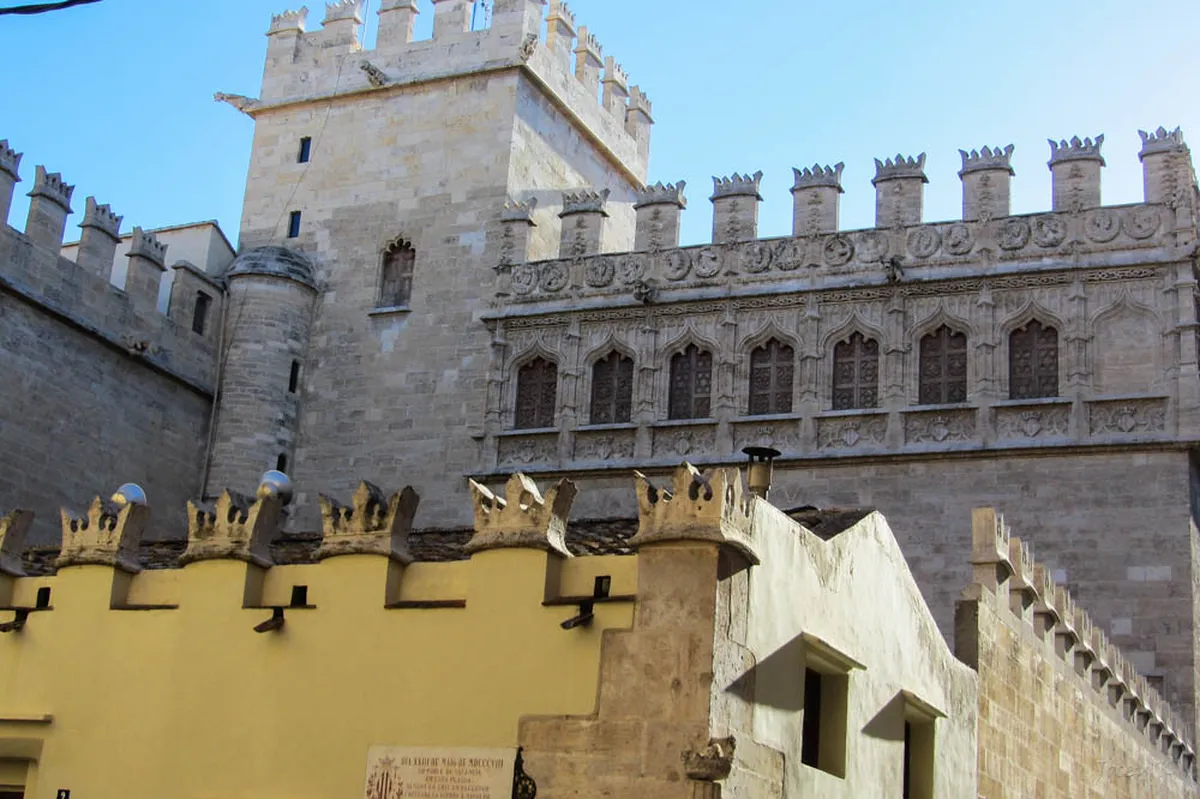
Table of Contents
Exploring the Top Gothic Buildings in Palma de Mallorca
Palma, Mallorca’s capital, boasts incredible history. Its impressive Gothic architecture stands out. Many magnificent buildings await your exploration. This guide highlights the best examples of Gothic buildings Palma offers in 2025. You will discover stunning historical sites.
These ancient structures tell fascinating stories. They showcase centuries of Mallorcan heritage. Prepare to explore grand cathedrals and medieval castles. Each site presents unique architectural beauty.
Understanding Gothic architecture features enhances your visit. Look for soaring vaults and intricate carvings. These elements define Palma's unique style.
La Seu Cathedral: A Top Gothic Building in Palma
La Seu Cathedral dominates Palma's skyline. It is a prime example of Catalan Gothic style. Construction began in 1229 by King James I. Its grand scale is truly breathtaking.
The cathedral features one of the world's largest rose windows. This "Eye of the Goth" measures 13 meters across. Light streams beautifully through its intricate design. Discover more about La Seu's architecture.
Antoni Gaudí contributed to its interior in the early 20th century. His modernista elements blend surprisingly well. They add a unique artistic layer. Visitors should allocate at least two hours for a full tour. Consider a general Palma architecture guide for more context.
- Location: Plaça de la Seu, s/n, 07001 Palma
- Hours: Mon-Sat, 10:00 AM - 5:15 PM (seasonal variations apply)
- Cost: Around €9 for entry.
La Llotja de Palma: A Historic Merchant's Exchange
La Llotja is another superb example of Gothic buildings Palma boasts. This former maritime trade exchange was built between 1420 and 1452. Guillem Sagrera designed this magnificent structure.
Its grand hall features six slender, twisted columns. They rise gracefully to support the vaulted ceiling. These columns resemble palm trees. This unique design creates a sense of openness.
La Llotja showcases civil Gothic architecture. It served as a hub for merchants. The building now hosts art exhibitions. Entry is often free, but check schedules. Explore La Llotja's architectural details.
- Location: Carrer de la Llotja, 07012 Palma
- Hours: Generally Tues-Sun, 10:30 AM - 1:30 PM and 5:00 PM - 8:00 PM. Always confirm current times.
Bellver Castle: Palma's Unique Circular Fort
Bellver Castle stands proudly above Palma. It is one of the few circular Gothic castles in Europe. Built for King James II of Mallorca (1300-1314). Its design is truly distinctive.
The castle served as a royal residence. Later, it became a military prison. Its unique round shape offers excellent panoramic views. Look out over the city and bay.
Inside, a central courtyard is surrounded by three towers. The homage tower stands taller, distinct from the others. This defensive structure is well-preserved. Learn more about Bellver Castle's history.
- Location: Camilo José Cela, s/n, 07014 Palma
- Hours: Mon-Sat, 10:00 AM - 6:00 PM (winter), 10:00 AM - 7:00 PM (summer); Sundays 10:00 AM - 3:00 PM.
- Cost: €4 for adults; free on Sundays for residents.
It's an easy bus ride or pleasant walk from the city center. This castle is a must-see. It represents a different facet of Palma's Gothic heritage.
Basilica de Sant Francesc: Serene Gothic Beauty
🎯 Insider Tip: Discover the best Palma de Mallorca experiences with Viator Tours!
The Basilica de Sant Francesc offers tranquil Gothic beauty. Its construction started in the late 13th century. It features a stunning Baroque facade from the 17th century. The interior remains purely Gothic.
Step inside to admire the impressive cloister. It is one of Mallorca's most beautiful. Elegant arches surround a peaceful garden. This space provides calm reflection.
The basilica houses the tomb of Ramon Llull. This famous Mallorcan philosopher rests here. His legacy enriches the church's history. Explore the Basilica de Sant Francesc further.
- Location: Plaça de Sant Francesc, 7, 07001 Palma
- Hours: Mon-Sat, 9:30 AM - 1:00 PM and 3:00 PM - 6:00 PM. Always confirm current times.
- Cost: Around €5 for entry.
The adjacent square is lovely for a coffee break. It provides a perfect view of the facade. This building highlights religious Gothic architecture in Palma.
Frequently Asked Questions
⭐ Recommendation: Don't miss out on amazing Palma de Mallorca tours - book now!
What are the main features of Gothic architecture in Palma?
Palma's Gothic buildings often feature pointed arches. You will also see ribbed vaults and flying buttresses. Large rose windows are prominent, especially at La Seu. These elements allow for taller, brighter spaces. Learn about specific Gothic architectural features.
Can I visit these Gothic sites independently or do I need a tour?
You can easily visit most sites independently. Many have clear opening hours and entry fees. Consider a Palma architecture walking tour for deeper insights. Tours offer expert guidance.
Are there other notable Gothic buildings in Palma's Old Town?
Yes, beyond the main sites, Palma's Old Town holds many gems. Explore the narrow streets for hidden patios and facades. The Palma Old Town architecture features many Gothic influences. Look for smaller churches and grand noble houses.
Palma de Mallorca offers a rich tapestry of Gothic history. From the towering La Seu to the unique Bellver Castle, each site is incredible. Plan your visit for 2025 to experience these wonders. These Gothic buildings in Palma truly captivate.
Immerse yourself in centuries of architectural brilliance. Discover the stories etched in stone. Your journey through Palma’s Gothic heritage awaits. Start planning your architectural adventure now.
Key Takeaways
- La Seu Cathedral is essential for its scale and unique features, including Gaudí's touch.
- Bellver Castle provides unparalleled panoramic views and a distinct circular Gothic design.
- La Llotja showcases stunning civil Gothic artistry and its rich history as a merchant's hub.