
Discovering Mudejar Influence in La Laguna, Spain
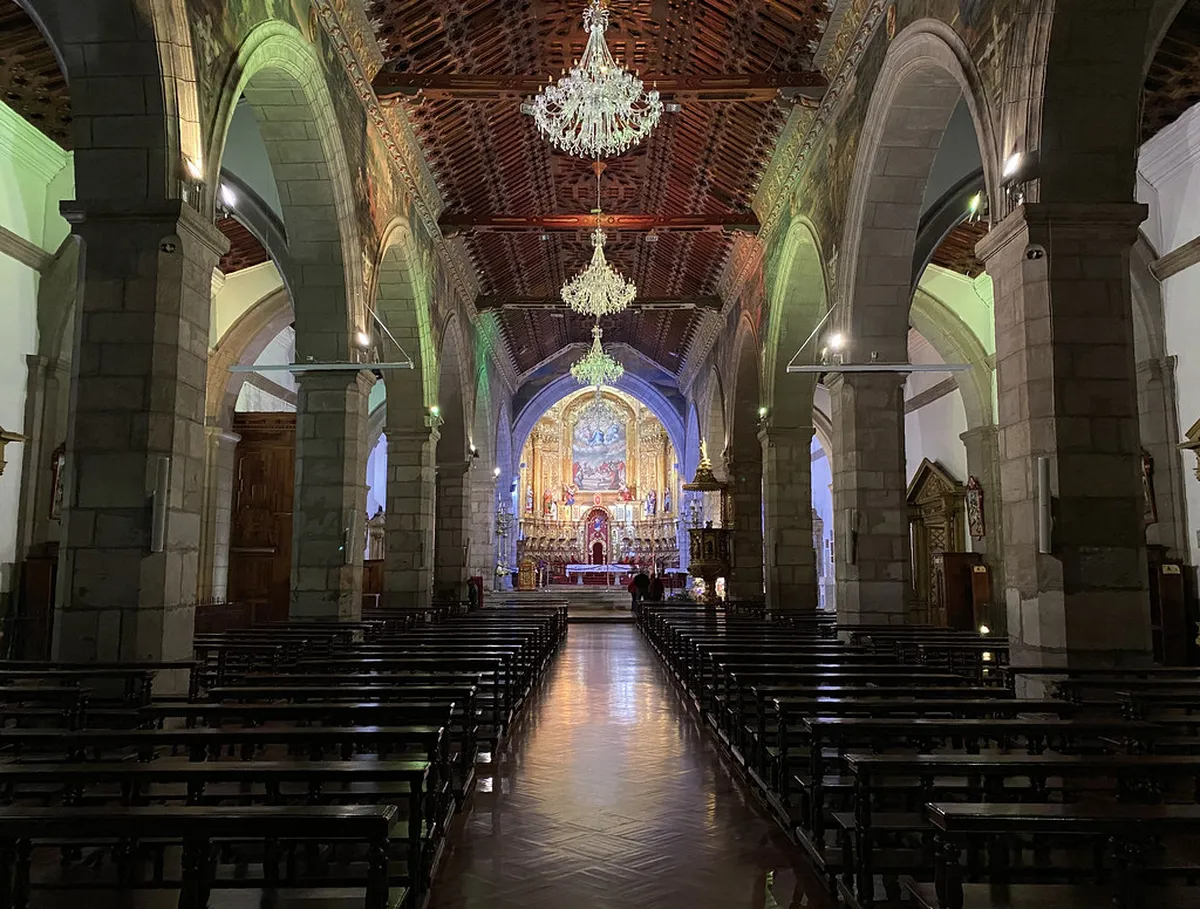
Table of Contents
Mudejar Influence: La Laguna's Unique Architectural Heritage
San Cristóbal de La Laguna offers a captivating architectural journey. This UNESCO World Heritage site boasts a rich history. Its unique urban plan reflects an exceptional cultural blend. You will find a fascinating mix of styles here.
A significant element in La Laguna's charm is its Mudejar influence. This distinct style fuses Christian and Islamic traditions. It shaped many of the city's iconic structures. Exploring these details reveals La Laguna's deep heritage.
The Mudejar style truly defines the architecture of La Laguna. It provides a unique aesthetic to many buildings. You can see its artistic details throughout the city. Understanding Mudejar is key to appreciating this historic place.
This article dives into the essence of Mudejar style in Canarian architecture. We will explore its characteristics and best examples. Prepare to uncover La Laguna's hidden artistic treasures.
Understanding Mudejar Architecture in Spain
Mudejar architecture emerged from a rich historical period. It represents a fusion of cultures in medieval Spain. Christian conquerors employed Muslim craftsmen. These artisans continued their traditional building techniques.
The term "Mudejar" refers to these Muslim populations. They remained in Christian territories after the Reconquista. Their architectural style blended Islamic art with Western forms. It created a truly unique aesthetic.
Key characteristics include intricate brickwork and decorative tiling. Geometric patterns are very common in Mudejar designs. Highly skilled woodworking, known as artesonado, also defines the style. This craftsmanship travelled across the oceans to the Canary Islands.
The style is often seen in religious and residential buildings. It showcases a profound artistic legacy. Its influence spread from mainland Spain to its colonial territories. This makes it a vital part of La Laguna's story. You can see how it shaped the Canarian Colonial style.
Distinctive Mudejar Features in La Laguna
La Laguna exhibits Mudejar influence through several architectural details. One of the most striking features is the *artesonado* ceiling. These elaborate wooden ceilings showcase complex geometric patterns. They are true masterpieces of carpentry.
Many historic buildings feature charming Canarian wooden balconies. These often incorporate Mudejar-inspired latticework. They provide shade and privacy while adding beauty. The balconies are a beloved element of the city's streetscape.
Traditional La Laguna houses often include serene internal patios. These courtyards provide light and ventilation. Their design principles often reflect Mudejar precedents. They offer a tranquil escape from the bustling streets.
Local volcanic stone is often combined with Mudejar techniques. The robust stone provides structure and durability. Delicate Mudejar details then add artistic flair. This combination creates a distinctive Canarian Mudejar aesthetic. Consider this when examining La Laguna building materials.
Notable Mudejar Examples to Explore
La Laguna offers several exceptional examples of Mudejar influence. The Iglesia de la Concepción stands out prominently. Its bell tower and interior wooden elements show clear Mudejar traits. Visiting this church is highly recommended for architectural enthusiasts.
Many traditional Canarian houses throughout the old town feature Mudejar elements. Look for carved wooden ceilings and decorative doors. These details often go unnoticed by the casual visitor. A closer inspection reveals their unique beauty.
For the finest examples of ceilings, seek out the best Mudejar ceilings in La Laguna. Some historic palaces also incorporate Mudejar details. The Palacio de Nava, for instance, blends several styles. Its earlier construction phases might hint at Mudejar forms.
Exploring churches in La Laguna will reveal more Mudejar gems. The blend of styles creates a unique historical tapestry. These buildings tell the story of the city's evolving identity. Look for specific wooden artesonado work in their interiors.
Experiencing Mudejar La Laguna in 2025
⭐ Recommendation: Don't miss out on amazing Madrid tours - book now!
Planning your Mudejar-focused trip to La Laguna in 2025 is easy. The city's compact historic center is perfect for walking. Allow ample time to wander its charming cobbled streets. Many architectural delights are found just by looking up.
Consider taking an architectural walking tour map. This will guide you to key Mudejar sites. Many hidden architectural gems can be discovered this way. Look closely at doors, windows, and especially ceilings inside public buildings.
Visiting during the shoulder seasons, like spring or fall, is ideal. The weather is pleasant, and crowds are smaller. You can enjoy the architecture without feeling rushed. This allows for a more immersive cultural experience.
Don't forget to visit local artisan shops. Sometimes, they sell crafts inspired by Mudejar patterns. This provides a lovely souvenir of your trip. Immerse yourself fully in La Laguna's rich artistic tradition.
Frequently Asked Questions
What makes Mudejar architecture in La Laguna so unique?
Mudejar architecture in La Laguna is unique due to its blend. It combines Islamic craftsmanship with Canarian colonial styles. This fusion creates a distinct local flavor. The use of native materials also plays a key role.
The island's isolation helped preserve this unique blend. It contrasts with mainland Spanish Mudejar styles. You will find elements not seen elsewhere. This makes exploring La Laguna truly special.
Where are the best Mudejar wooden ceilings visible in La Laguna?
The Iglesia de la Concepción features some impressive Mudejar ceilings. Its tower also showcases Mudejar characteristics. Another great place is the best examples of Mudejar ceilings in La Laguna article. Many private homes also hide beautiful examples.
Some historical convents and former palaces retain these ceilings. Look for detailed *artesonado* work above. These artistic treasures are often highlights. They beautifully illustrate the Mudejar legacy.
How does Mudejar influence differ from Baroque style in La Laguna?
Mudejar influence focuses on geometric patterns and natural materials. It emphasizes intricate wooden craftsmanship. La Laguna Baroque style, conversely, features more ornate decoration. Baroque style uses curves, drama, and rich ornamentation.
Baroque often employs stucco, stone carvings, and grand facades. Mudejar is more subtle and relies on artisan skill. Both styles contribute to La Laguna's diverse architectural landscape. They offer different visual experiences for visitors.
The Mudejar influence in La Laguna offers a compelling narrative. It speaks to a history of cultural exchange and artistic mastery. This unique architectural style enhances the city's charm. It makes La Laguna a truly special destination.
Exploring its wooden balconies, intricate ceilings, and quiet patios reveals a deeper beauty. The city's UNESCO status rightly recognizes this heritage. We encourage you to visit in 2025. Discover the timeless artistry that defines San Cristóbal de La Laguna.
Key Takeaways
- Mudejar style combines Islamic and Christian architectural traditions.
- La Laguna's Mudejar influence is seen in wooden ceilings, balconies, and patios.
- Visit the Iglesia de la Concepción for prominent Mudejar architectural examples.
- Plan a walking tour to discover intricate details throughout the historic center.
- La Laguna offers a unique blend of Mudejar and Canarian Colonial styles.