
Traditional Canarian Houses: La Laguna Architecture Guide
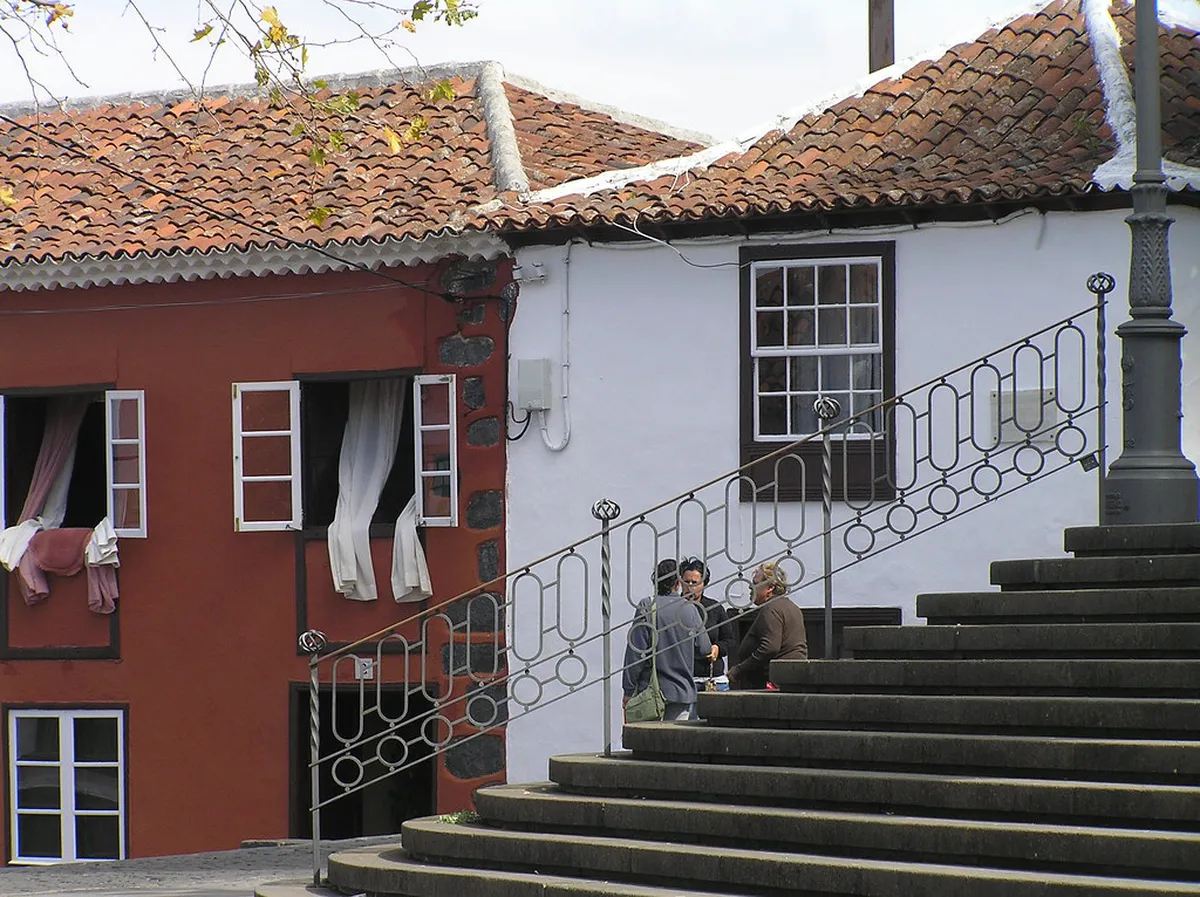
Table of Contents
Exploring La Laguna's Traditional Canarian Architecture
San Cristóbal de La Laguna boasts incredible history. This UNESCO World Heritage site showcases stunning architecture. Many visitors come to admire its unique beauty. The city is famous for its remarkable architecture guide.
Among its treasures are the Traditional Canarian houses. These homes tell stories of centuries past. They offer a glimpse into the island's heritage. Prepare to explore these captivating structures in 2025.
The Enduring Legacy of Traditional Canarian Architecture
La Laguna's urban layout began in the 15th century. It followed a grid plan, influencing many colonial cities. This design contributed to its UNESCO World Heritage status. The traditional houses reflect this rich historical context.
These homes blend local traditions with external influences. You can see elements from Mudejar and Portuguese styles. The mild climate shaped their unique design. This fusion creates truly distinctive architecture.
Early settlers adapted building techniques to the island. They used readily available materials. Volcanic stone and local wood were common choices. These choices highlight the ingenuity of the builders.
Understanding this history enriches your visit. It helps appreciate each unique detail. The Canarian colonial style is very evident here. Many original structures still stand today.
Distinctive Features of Traditional Canarian Houses
Traditional Canarian houses stand out with several features. Their bright, often colorful facades catch the eye. These vibrant hues add charm to every street. They reflect the sunny disposition of the islands.
One iconic element is the Canarian wooden balcony. These intricate structures adorn many homes. They provided extra living space and shade. Many are beautifully carved and painted.
Another key feature is the central internal patio. These open-air courtyards offered privacy. They also provided light and ventilation. Exploring these peaceful patios in La Laguna is a true delight.
Materials like volcanic stone were crucial. This dark, robust stone provides excellent insulation. It also gives buildings a unique texture. You can spot it in walls and decorative elements.
Roofs often feature traditional clay tiles. These tiles are durable and provide good drainage. They complete the authentic look of these homes. Pay attention to the intricate details on doors and windows too.
Exploring La Laguna's Architectural Gems
La Laguna is a living museum of architecture. Start your exploration at Calle San Agustín. This street boasts many stunning examples. You will see several well-preserved traditional homes here.
Don't miss the famous Casa Salazar, located at Calle San Agustín, 28. This majestic 17th-century palace showcases grandeur. Its Baroque facade is particularly impressive. The interior courtyard is also open for viewing.
Another must-see is the Palacio de Nava. You can find it on Plaza del Adelantado. It blends Baroque, Neoclassical, and Mudejar styles. Its striking black volcanic stone facade is unforgettable.
Consider taking an architectural walking tour map. This will guide you to key spots efficiently. Many of these historic palaces are near each other. They offer fantastic photo opportunities in 2025.
Practical Tips for Your La Laguna Architecture Tour
🎯 Insider Tip: Discover the best Madrid experiences with Viator Tours!
Plan your visit during the cooler months for comfort. Spring (April-June) and Fall (September-November) are ideal. Temperatures are mild, perfect for walking. Summers can be warm, reaching 25-30°C.
Wear comfortable shoes for walking on cobblestone streets. La Laguna is best explored on foot. Many streets are pedestrian-friendly. Allow at least half a day to truly appreciate the architecture.
Many public traditional buildings are free to admire from the outside. Some private homes host art galleries or shops. These offer a chance to see interiors. Always respect private property signs.
Consider joining guided architectural tours. Local guides provide deeper insights. They share stories often missed by solo travelers. These tours can enhance your understanding greatly.
Capture the beauty with your camera. Look for unique angles and details. The colorful facades and balconies are very photogenic. Remember to visit in the morning or late afternoon for best light.
Frequently Asked Questions
🎯 Insider Tip: Discover the best Madrid experiences with Viator Tours!
How to identify a traditional house in La Laguna?
Look for specific architectural elements. These include wooden balconies and internal patios. Colorful facades and volcanic stone walls are common. Check for traditional tile roofs and intricate ironwork too. Our guide on identifying traditional houses offers more details.
What are the main features of Canarian houses?
Canarian houses feature characteristic wooden balconies. They often have an interior courtyard or patio. You will also see colorful lime-washed walls. Volcanic stone is a prevalent building material. Learn more about main features of Canarian houses.
Can I visit the interior of these historic homes?
Many traditional houses are private residences. However, some have become museums or public buildings. Notable examples include Casa Salazar and Palacio de Nava. These allow interior visits, often with a small fee. Discover more about La Laguna's historic palaces and their visiting hours.
La Laguna's Traditional Canarian houses offer a journey through time. Their unique charm and historical depth are captivating. Every street corner reveals new architectural wonders. These buildings are a testament to rich cultural influences.
We encourage you to explore these magnificent structures in 2025. Immerse yourself in the city's unique architectural heritage. Plan your visit to discover this stunning UNESCO site. Start your architectural adventure in La Laguna today.
Key Takeaways
- La Laguna's houses blend Mudejar, Portuguese, and local styles.
- Look for distinctive wooden balconies, internal patios, and colorful facades.
- Visit Casa Salazar and Palacio de Nava for prime examples.
- Wear comfortable shoes and consider a guided walking tour for deeper insights.
- Spring and fall offer the best weather for exploring La Laguna's architecture.