
La Laguna's Canarian Wooden Balconies: A Guide
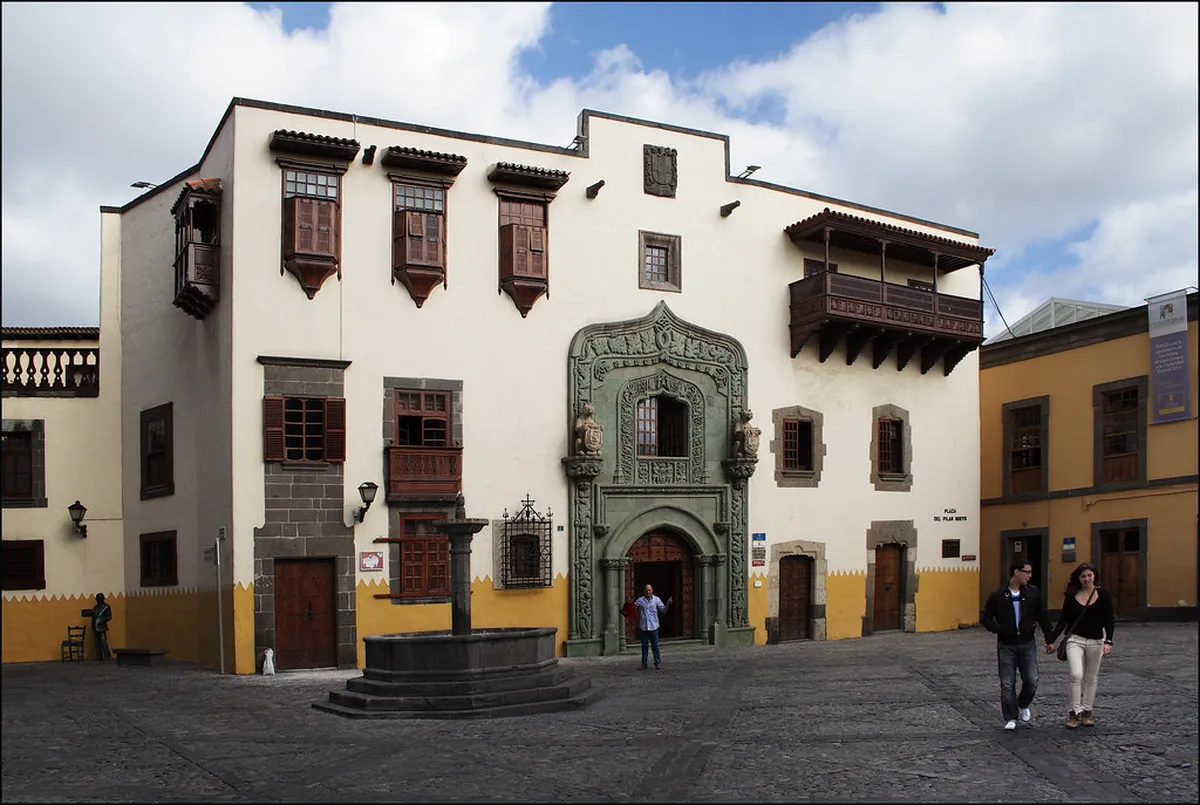
Table of Contents
Discover La Laguna's Iconic Canarian Wooden Balconies
San Cristóbal de La Laguna holds UNESCO World Heritage status. This charming city showcases remarkable architecture. Among its treasures are the distinctive Canarian wooden balconies. They add unique character to the city's historic streets.
These balconies tell stories of a rich past. They reflect both practicality and artistic craftsmanship. Discover the beauty and history of these iconic structures. This guide will help you explore La Laguna's architectural gems in 2025. Learn more about La Laguna's diverse architecture.
The History and Function of Canarian Balconies
Canarian wooden balconies emerged from historical necessity and adaptation. Early settlers needed to extend living spaces. They also sought protection from the strong island sun. These structures provided both shade and ventilation.
The design evolved with various influences. Spanish colonial styles blended with local traditions. Builders used sturdy Canary pine wood for construction. This local timber was readily available and durable. The resulting balconies became a defining feature of island architecture.
Functionally, balconies served multiple purposes. They offered a cool outdoor area for families. Residents could observe street life from their homes. Merchants sometimes displayed goods from lower balconies. Explore the full history of Canarian balconies.
Many balconies incorporate intricate lattices. These screens provided privacy for occupants. They allowed airflow while blocking direct sunlight. This ingenious design kept interiors cooler. Such practical beauty remains admired today.
Distinctive Styles and Craftsmanship
La Laguna's Canarian wooden balconies display varied craftsmanship. Each balcony reflects the era of its construction. You can observe differences in carving and ornamentation. Some are simple and functional, others are highly decorative.
The traditional style often features enclosed sections. These are known as 'miradores' or 'closed balconies'. They offer privacy and protection from weather elements. Their wooden frames often have glass panels.
Open balconies, in contrast, provide expansive views. These typically have elaborate balustrades and supporting brackets. Look closely for detailed floral patterns or geometric designs. These carvings showcase incredible skill and artistry.
Many balconies utilize a specific type of wood. The strong and aromatic Canary pine was a favored choice. Its resilience to insects and moisture made it ideal. This wood contributed to the longevity of these beautiful structures. For more on building styles, see traditional Canarian houses.
Where to Find the Best Balconies in La Laguna
La Laguna's historic center is a treasure trove of balconies. Wander through its pedestrian-friendly streets. You will discover countless examples on traditional houses. Many are perfectly preserved, offering great photo opportunities.
A prime location is the area around Plaza del Adelantado. Several historic buildings feature stunning balconies here. The Casa del Corregidor is a notable example. Its multi-tiered wooden balconies are truly impressive.
Another must-see is the Palacio de Nava. This grand building boasts spectacular baroque and neoclassical elements. Its ornate balconies are among the finest in the city. Visiting this area is a highlight for any architecture enthusiast.
Don't miss the Casa Salazar on Calle de San Agustín. This building houses the Bishop's Palace. It features one of the most famous Canarian wooden balconies. Its dark wood stands out against the pale facade. Find more locations at best balcony spots.
Preserving La Laguna's Architectural Heritage
💡 Pro Tip: Book your Madrid adventures in advance through Viator for the best deals!
The preservation of these balconies is crucial for La Laguna. Its UNESCO status highlights their cultural significance. Local authorities and residents work together. They maintain and restore these historic elements.
Restoration projects focus on authenticity. Specialists use traditional techniques and materials. They ensure the original character of the balconies remains intact. This commitment helps future generations appreciate their beauty.
Funding often supports these important efforts. Grants help property owners with costly repairs. This collaborative approach safeguards La Laguna's unique charm. It protects a vital part of its identity.
Travelers in 2025 can witness these ongoing efforts. Many buildings proudly display their renovated balconies. These preservation initiatives contribute greatly to La Laguna's architectural longevity.
Tips for Photographing Canarian Wooden Balconies
💡 Pro Tip: Book your Madrid adventures in advance through Viator for the best deals!
Capturing the beauty of these balconies requires good light. Early morning or late afternoon offers soft, warm lighting. This avoids harsh shadows and highlights intricate details. Aim for the 'golden hour' for best results.
Consider different angles for unique shots. Look up to emphasize the balcony's height. Step back to include the entire facade. Focus on specific carvings for detailed close-ups. Each balcony offers a new perspective.
Use a wide-angle lens for grand architectural views. A telephoto lens can isolate specific balcony features. Experiment with settings to capture the rich textures of the wood. Remember to respect private property when photographing.
A walking tour map can guide you to photo hot spots. Look for balconies contrasting with colorful facades. La Laguna provides endless opportunities for stunning architectural photography. Find more ideas on how to photograph balconies.
Frequently Asked Questions
🌟 Local Expert Tip: Get the most out of your Madrid visit with guided tours!
What kind of wood is used for Canarian balconies?
Canarian wooden balconies primarily use Canary pine wood. This local timber is known for its strength. It also resists insects and moisture well. Its durability contributed to the long life of these historic structures.
Are La Laguna's wooden balconies accessible to tourists?
Most balconies are part of private residences or historic buildings. You can admire them from the street level. Some historic palaces, like Palacio de Nava, may offer interior access. Check individual building opening times for tours.
Why are Canarian wooden balconies so common in La Laguna?
Wooden balconies are common due to historical and practical reasons. They extended living spaces and provided shade. The use of local timber was also highly practical. La Laguna's preserved historic center showcases many examples of Canarian Colonial style.
La Laguna's Canarian wooden balconies are truly iconic. They are a testament to rich history and skilled craftsmanship. Exploring them offers a unique architectural experience. These structures define the city's charming character.
Plan your visit to admire these unique wooden features in 2025. You will gain a deeper appreciation for La Laguna. Discover the beauty of these architectural masterpieces firsthand. Start your journey with Architect Tourist today.
Key Takeaways
- La Laguna's wooden balconies showcase unique historical and architectural styles.
- Look for intricate carvings and 'miradores' (closed balconies) throughout the historic center.
- Best places to see them include Plaza del Adelantado, Palacio de Nava, and Casa Salazar.
- Visit during morning or late afternoon for the best photography light.
- These protected structures contribute significantly to La Laguna's UNESCO status.