
Mudejar Style in Canarian Architecture: La Laguna Explained
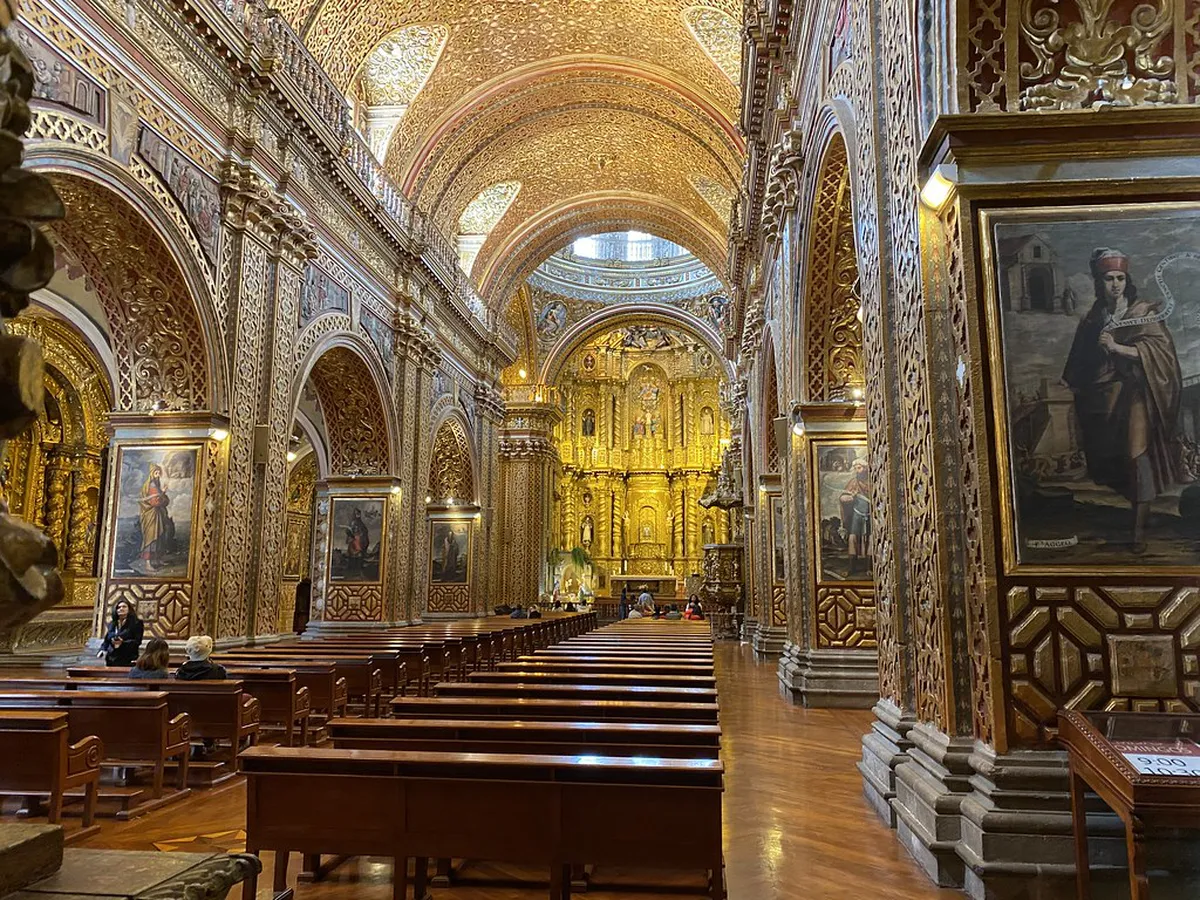
Table of Contents
Unveiling Mudejar Style in Canarian Architecture: La Laguna's Gem
San Cristóbal de La Laguna offers a captivating architectural journey. This UNESCO World Heritage site is truly special. It showcases a rich history and unique building styles. Among them, Mudejar style in Canarian architecture stands out.
This article explores the essence of Mudejar design. You will understand its historical roots and distinct features. Learn how it shaped La Laguna's urban landscape. Explore La Laguna's architectural wonders and discover this unique cultural blend. The Mudejar influence in La Laguna is truly remarkable.
What Defines Mudejar Style in Canarian Architecture?
Mudejar style represents a fascinating artistic synthesis. It combines elements of Islamic and Christian traditions. This style flourished in Spain after the Reconquista. Muslim craftsmen, known as Mudejars, continued their work. They adapted their techniques to Christian commissions.
In the Canary Islands, Mudejar art found new life. It blended with local building practices. The result is a unique Canarian Mudejar expression. This style heavily features wood, especially Canarian pine. Its adaptability made it perfect for island construction.
Key characteristics include intricate geometric patterns. You will see these in ceilings and doors. Arches, often horseshoe-shaped, are also common. Plasterwork and glazed tiles add decorative flair. This style creates a rich, textured aesthetic. It adds depth to many historic buildings.
The Mudejar influence became deeply integrated into the Canarian Colonial style. This blend is particularly visible in wooden elements. It can be seen in balconies and ceilings. Local materials like volcanic stone provided a sturdy base. Skilled artisans then adorned structures with Mudejar details.
Key Characteristics of Mudejar in La Laguna's Buildings
La Laguna boasts numerous examples of Mudejar craftsmanship. The city's early development embraced this style. You can observe its features in many historic residences and churches. These elements provide unique visual richness.
The most striking Mudejar feature is the artesonado ceiling. These coffered wooden ceilings are true masterpieces. They display complex geometric patterns. Interlocking stars and polygons create stunning visual effects. Always remember to look up inside these historic buildings.
Mudejar influence also shaped internal patios. These courtyards provide light and ventilation. They often feature carved wooden columns and galleries. Exploring La Laguna's internal patios reveals hidden beauty. They offer peaceful retreats from the city streets.
Another common characteristic is the elaborate wooden balcony. These traditional Canarian balconies often feature Mudejar motifs. They project over the street. Intricate latticework provides privacy and shade. You will find them adorning many old town facades.
Even smaller details show Mudejar design. Look for decorative ironwork on windows and gates. Examine carved wooden doors and window frames. These elements enrich the streetscape of La Laguna. They add to the city's historic charm. The ironwork details in La Laguna are often overlooked.
Notable Examples of Mudejar Architecture in La Laguna
La Laguna offers many splendid examples of Mudejar style. These buildings are essential stops for architecture lovers. They showcase the skill of ancient artisans. Each structure tells a story of cultural blending.
The Casa Salazar is a prime example. Its interior features a magnificent Mudejar-style courtyard. The wooden galleries and elaborate ceilings are captivating. This palace exemplifies the grandeur of the era. Discover more about Casa Salazar's architecture.
The Palacio de Nava also exhibits Mudejar elements. While largely Baroque, its wooden ceilings show this early influence. Pay attention to the intricate designs upstairs. It is a stunning blend of styles. Learn about Palacio de Nava's history.
For truly breathtaking Mudejar artistry, visit the Iglesia de la Concepción. Its towering wooden ceiling is an absolute must-see. The detailed craftsmanship is incredible. It represents one of the best examples of Mudejar ceilings in La Laguna. The church also features other Mudejar decorative elements.
Many private homes also preserve Mudejar details. Wander through the historic center of La Laguna. You will discover beautiful wooden doors and balconies. These subtle touches contribute to the city's unique atmosphere. These homes are part of the city's living museum.
Experiencing Mudejar Heritage in La Laguna (2025 Guide)
🌟 Local Expert Tip: Get the most out of your Madrid visit with guided tours!
Exploring La Laguna's Mudejar heritage is a rewarding experience. Plan your visit to truly appreciate the intricate details. Many sites are easily accessible on foot. Wear comfortable shoes for walking the charming cobblestone streets.
Start your architectural journey at the Plaza del Adelantado. From there, you can explore surrounding streets. Seek out the grand houses and churches mentioned earlier. Many historic buildings are open to the public. Check their specific opening hours for 2025.
Consider joining a guided tour. Expert guides can highlight hidden Mudejar elements. They provide deeper insights into the style's history. These tours often cover the most important sites. Find options for architectural guided tours online.
The best way to see the details is to slow down. Look up at the ceilings, examine doors, and explore courtyards. Bring a good camera for capturing these intricate designs. You will uncover beauty in unexpected places. Use an architectural walking tour map for guidance.
Frequently Asked Questions
💡 Pro Tip: Book your Madrid adventures in advance through Viator for the best deals!
How did Mudejar influence reach the Canary Islands?
The Mudejar style arrived with the Castilian conquest. Spanish settlers brought their architectural traditions. These traditions already contained strong Mudejar elements. Craftsmen often migrated with new populations. This helped spread the style.
The style also resonated with local building practices. Local materials like wood were plentiful. This allowed for beautiful wooden ceilings and balconies. The Mudejar influence in La Laguna adapted seamlessly. It became a defining feature of early Canarian architecture.
What are 'artesonado ceilings' and where can I see them in La Laguna?
Artesonado ceilings are highly decorative wooden ceilings. They feature intricate geometric patterns. These patterns are created by interlocking wooden pieces. They represent a pinnacle of Mudejar craftsmanship. They are truly stunning.
You can see excellent examples in La Laguna. Visit the Iglesia de la Concepción for its grand ceiling. The Casa Salazar also features beautiful artesonado work. These are among the best examples of Mudejar ceilings in La Laguna. Don't forget to look up!
Is Mudejar style distinct from Canarian Colonial architecture?
Mudejar style is a foundational component of Canarian Colonial architecture. It is not entirely distinct. Canarian Colonial style is a broader term. It describes the overall architectural development of the islands. It blends various influences over time.
Mudejar provided key decorative and structural elements. These include wooden balconies and coffered ceilings. These elements became emblematic of Canarian Colonial architecture. Other styles like Baroque and Neoclassical also contributed later.
The Mudejar style in Canarian architecture is a testament to cultural exchange. It enriches La Laguna's historic fabric. From grand palaces to humble homes, its beauty persists. This unique blend captivates all who visit.
Discover these intricate details for yourself in 2025. Explore the ornate ceilings and carved wooden balconies. La Laguna's status as a UNESCO World Heritage site celebrates this rich heritage. Embark on your architectural adventure today!
Key Takeaways
🎯 Insider Tip: Discover the best Madrid experiences with Viator Tours!
- Mudejar style in Canarian architecture is a unique blend of Islamic and Christian artistic traditions.
- La Laguna boasts exceptional examples, notably in wooden artesonado ceilings and intricate patios.
- When visiting, always look for detailed wooden balconies, doors, and especially ceilings to appreciate the style.