
Key Features of Cáceres Gothic Architecture Explained
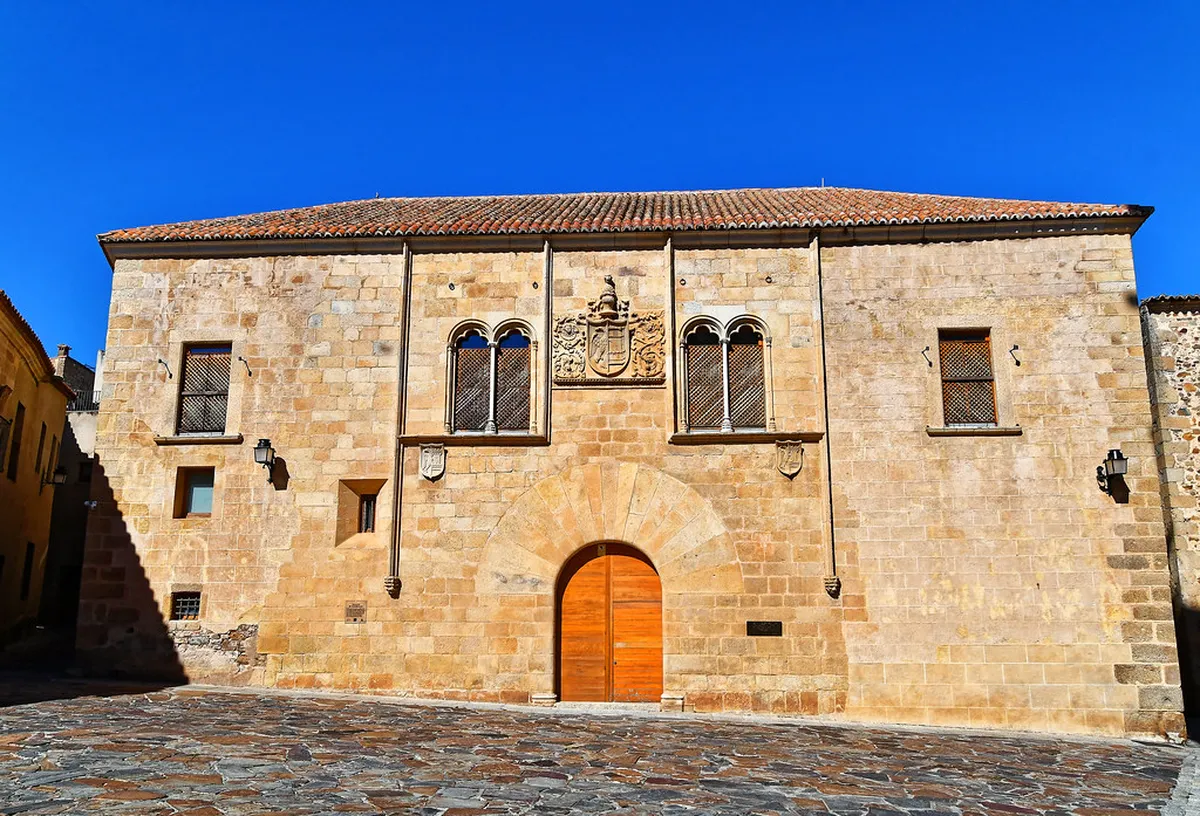
Table of Contents
Explore Cáceres Gothic Architecture: Key Features in 2025
Cáceres, a UNESCO World Heritage city, boasts incredible historical charm. Its ancient walls hide centuries of architectural evolution. Visitors in 2025 can explore diverse building styles. Among these, the distinctive Gothic architecture truly stands out.
Understanding the key features of Cáceres Gothic architecture enhances any visit. This guide explores the unique elements defining this era. You will learn about its fortified churches and noble palaces. Discover what makes Cáceres a Gothic treasure. Find more general information in our Cáceres architecture guide.
The city's rich history often blends different styles seamlessly. Gothic structures here often incorporate Moorish and Renaissance touches. This creates a fascinating blend found nowhere else. Prepare to delve into the intricate details of these magnificent Gothic buildings in Cáceres.
Defining Elements of Cáceres Gothic Style
Cáceres Gothic architecture showcases unique characteristics. It often combines religious fervor with defensive needs. This makes many structures appear robust and imposing. Pointed arches are a common and defining feature here.
Ribbed vaults support tall ceilings within these buildings. This innovation allowed for much larger windows. However, large window spaces are less common in Cáceres. Instead, thick stone walls prevail for protection.
Many Gothic structures in Cáceres evolved from earlier Romanesque foundations. This transition is visible in some building sections. The predominant material used is local granite. This gives the architecture a durable and austere appearance. You can appreciate the strength of Cáceres Old Town architecture.
Sacred Spaces: Fortified Gothic Churches
Cáceres features several remarkable Gothic churches. These religious buildings often served dual purposes. They functioned as places of worship and defensive strongholds. Their robust design reflects centuries of conflict in the region.
The Co-Cathedral of Santa María is a prime example. It boasts an impressive Gothic façade and interior. Notice its sturdy bell tower and fortified appearance. The cathedral’s construction began in the 13th century. Inside, find exquisite altarpieces and intricate chapels. For more details, see our Santa María Cathedral guide.
San Mateo Church also presents significant Gothic features. It stands atop a hill, offering strategic views. Its imposing structure highlights the city's military past. The interior reveals pointed arches and ribbed vaulting. Explore where to find Gothic churches in Cáceres.
The Church of Santiago is another key Gothic site. It shows later additions, including a Plateresque portal. However, its core structure remains firmly Gothic. These churches offer a glimpse into medieval Cáceres life. They represent both faith and resilience of its people.
Noble Residences: Gothic Palaces and Mansions
Cáceres also boasts impressive civil Gothic architecture. Wealthy noble families built grand palaces within the walled city. These residences often combined comfort with defensive elements. Their designs showcased the family's status and power.
The Palacio de los Golfines de Abajo is a standout example. While later modified, its core structure is Gothic. Look for its prominent towers and strong battlements. These features are typical of noble Gothic homes. Discover more about the Palacio de los Golfines.
Many palaces feature large coats of arms carved into their facades. These crests proudly display the family lineage. They are an integral part of their Gothic identity. These architectural details tell stories of noble heritage. Learn about the significance of coats of arms in Cáceres.
You will find several other palatial homes throughout the Old Town. Many of them retain their original Gothic layouts. They often feature interior courtyards and fortified entrances. These buildings are a testament to Cáceres' medieval prosperity. Consult our guide to Cáceres palaces for a deeper dive.
Mudejar and Plateresque Influences on Gothic
⭐ Recommendation: Don't miss out on amazing Caceres tours - book now!
A unique aspect of Cáceres Gothic is its blend with other styles. The Mudejar influence is particularly notable here. This style combines Christian and Moorish architectural elements. It arose after the Reconquista period in Spain.
You might observe Mudejar elements in brickwork patterns. Geometric designs on certain facades are also common. Look for horseshoe arches in unexpected places. This fusion gives Cáceres Gothic a distinct local flavor. Learn more about the Mudejar style in Cáceres.
Later, the early Renaissance brought Plateresque ornamentation. This decorative style added intricate details to Gothic structures. You might see delicate carvings around doorways and windows. Plateresque elements often feature natural motifs and heraldry. Explore Plateresque details in Cáceres.
This layering of styles reflects Cáceres' dynamic history. It shows how different cultures shaped its architecture. The city's buildings tell a story of coexistence and artistic evolution. This blend makes the Gothic structures truly exceptional. Consider the broader Moorish influence on Cáceres architecture.
Exploring Defensive Towers and Stone Carvings
Gothic architecture in Cáceres features many defensive towers. These towers were crucial for the city's protection. They often rise prominently above the rooftops. The Torre de Bujaco, though Roman in origin, was adapted over time. Its strategic location protected a main city entrance.
Many noble palaces also include their own defensive towers. These additions reinforced the family's power and security. Battlements and machicolations are often visible. These features speak to a turbulent medieval past. Discover more about Cáceres defensive towers.
Beyond defense, intricate stone carvings adorn many Gothic buildings. You will find religious scenes above doorways. Gargoyles serve practical and decorative functions. These carvings add artistic flair to the sturdy granite. They offer fascinating details for visitors.
Look closely at the facades and portals of churches and palaces. You will uncover hidden symbols and historical narratives. These elaborate carvings reflect medieval craftsmanship. They offer silent stories for those who take time to observe. Learn more in our stone carvings guide.
Frequently Asked Questions
🌟 Local Expert Tip: Get the most out of your Caceres visit with guided tours!
What are the most common Gothic architectural elements in Cáceres?
Cáceres Gothic architecture frequently features pointed arches. Ribbed vaults are also common inside churches. Thick, fortified walls characterize many buildings. Defensive towers are prominent throughout the city. These elements showcase the region's historical needs.
Granite is the primary building material. This gives structures a robust and enduring look. Look for intricate stone carvings, especially on portals. These carvings often depict religious figures or heraldic symbols. Explore Gothic buildings in Cáceres to see these features.
Can visitors access the interior of Gothic buildings in Cáceres?
Yes, many Gothic buildings in Cáceres are open to the public. Churches like Santa María and San Mateo welcome visitors. Some noble palaces offer guided tours or house museums. Check specific opening hours and entry fees before your visit.
Visiting these interiors provides a deeper appreciation. You can experience the scale and craftsmanship firsthand. Plan your trip in 2025 to see these historical treasures. Consult our guide to visiting architectural sites for details.
How much does it cost to enter key Gothic sites in Cáceres?
Entry fees for Gothic sites in Cáceres vary by location. Churches usually have a small entrance fee or a suggested donation. Palaces that function as museums might have higher charges. Some exterior views are, of course, free to enjoy.
For instance, entering Santa María Co-Cathedral might cost a few euros. Tours of a palace like Palacio de los Golfines de Abajo could be more. Consider a walking tour to see many sites. Check official websites for current prices in 2025 for specific attractions like San Mateo Church.
Cáceres offers a captivating journey through Gothic architecture. Its unique blend of defensive strength and artistic detail is remarkable. From fortified churches to noble palaces, each building tells a story. The Mudejar and Plateresque influences add distinct local character.
Planning a trip in 2025 promises a rich cultural experience. Delve into the intricate stone carvings and imposing towers. Discover the enduring legacy of this magnificent city. Embark on a Cáceres architecture walking tour to fully appreciate its charm.
Key Takeaways
🎯 Insider Tip: Discover the best Caceres experiences with Viator Tours!
- Cáceres Gothic blends defensive features with religious and noble aesthetics.
- Key elements include pointed arches, ribbed vaults, and granite construction.
- Mudejar and Plateresque influences create a unique local architectural style.