
Discovering Mudéjar Style in Cáceres: A UNESCO Gem
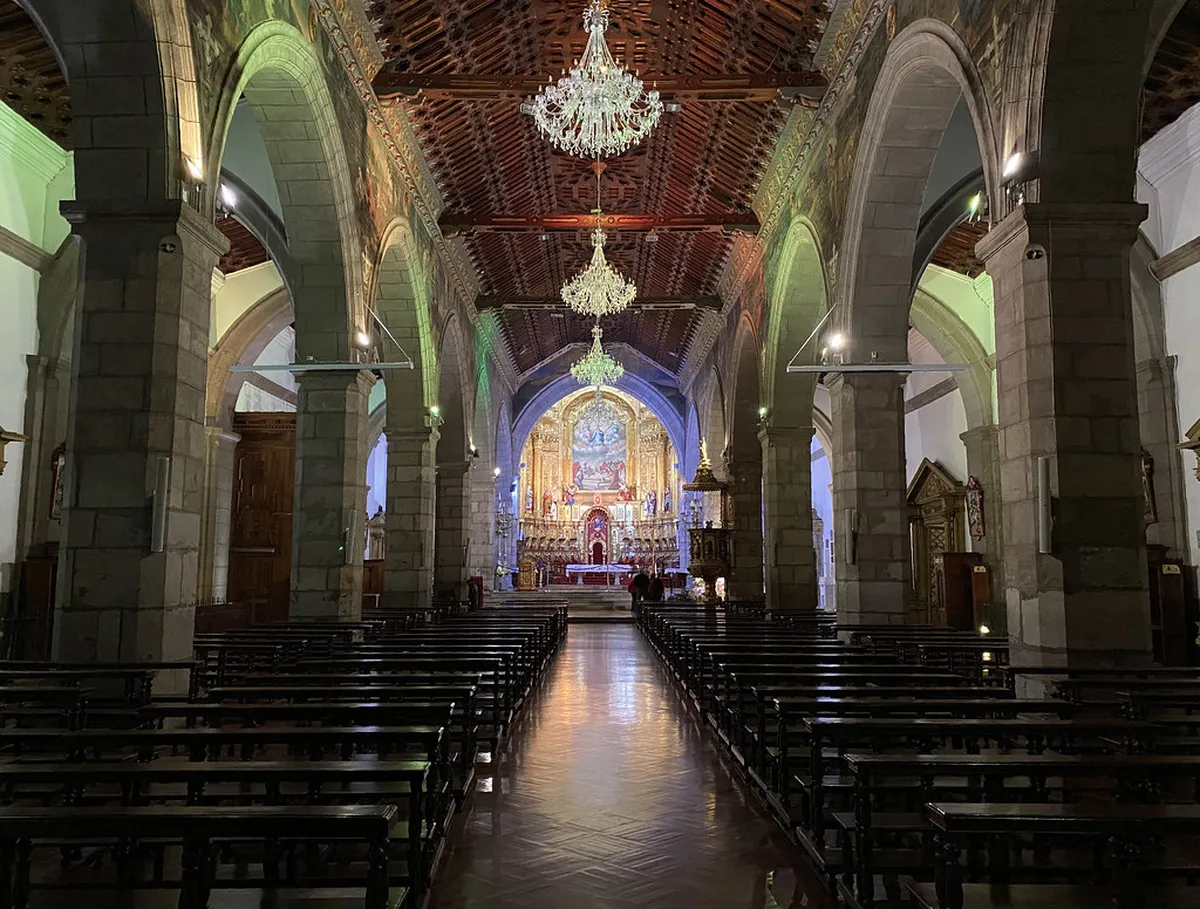
Table of Contents
Unveiling the Unique Mudéjar Style in Cáceres' Old Town
Cáceres, a UNESCO World Heritage city, boasts incredible architectural diversity. Among its many treasures is the captivating Mudéjar style. This unique art form blends Christian and Islamic influences. It tells a powerful story of cultural coexistence in Spain. Prepare to uncover the fascinating Moorish influence in Cáceres architecture.
The Mudéjar style offers a visually rich experience for visitors. You will see intricate brickwork, decorative tiles, and geometric patterns. These elements create a distinct aesthetic throughout the Old Town. This guide helps you explore the Cáceres architecture guide and discover its Mudéjar gems in 2025.
What Defines Mudéjar Style? A Historical Overview
Mudéjar style emerged in Spain after the Christian Reconquista. It reflects the continued presence of Muslim craftsmen in Christian kingdoms. These artisans applied their traditional techniques. They built structures for their new Christian rulers. This created a profound cultural and artistic fusion.
This style uniquely blends Islamic architectural elements with European forms. You will find horseshoe arches and intricate geometric designs. Christian buildings, like churches and palaces, adopted these features. The result is a truly Spanish artistic expression. It remains an important part of Spain's heritage.
The term 'Mudéjar' refers to Muslims remaining in Christian territories. They retained their religion and customs. Their artistic skills were highly valued. This era produced stunning churches, synagogues, and palaces. Cáceres proudly showcases this historical legacy.
Understanding this history enriches your visit greatly. It highlights the complex past of the Iberian Peninsula. The integration of styles makes each building distinct. You can learn more about this period's impact on Cáceres' city walls history and design.
Key Characteristics of Mudéjar Architecture in Cáceres
Cáceres offers many examples of Mudéjar craftsmanship. Look for the distinctive use of brick. Artisans often arranged bricks in decorative patterns. This created texture and visual interest on facades. It is a hallmark of the style.
Intricate plasterwork, known as yesería, is another key feature. These delicate carvings adorn arches and walls. They often depict floral motifs or Kufic script. Such details reveal incredible artistic skill. Many buildings in the Cáceres Old Town architecture feature these elements.
Glazed tiles, or azulejos, bring vibrant color to Mudéjar structures. They often form geometric mosaics. These patterns decorate floors, walls, and courtyards. Their presence adds a touch of brightness and elegance. Seek out these beautiful tile arrangements.
Wooden ceilings, known as artesonados, are also significant. These elaborate coffered ceilings display complex geometric designs. They are masterpieces of carpentry. Spotting a well-preserved artesonado is a true highlight. It showcases the enduring legacy of Mudéjar artisans.
- Brickwork: Decorative patterns and textures.
- Plasterwork: Intricate carvings (yesería).
- Glazed Tiles: Colorful geometric mosaics (azulejos).
- Wooden Ceilings: Elaborate coffered designs (artesonados).
Notable Mudéjar Sites to Explore in Cáceres in 2025
Cáceres' Old Town is a living museum of styles. The Palacio de las Veletas is a must-see. Its famous aljibe (cistern) exemplifies Moorish influence. While not purely Mudéjar, its foundations connect to Moorish heritage. The building's subsequent styles blended with these roots. Discover more about the Palacio de las Veletas.
Wander through the old Jewish Quarter, known as the Judería. Many houses here preserve original Mudéjar elements. Look for small courtyards and decorative windows. These details reveal the subtle beauty of the style. The Jewish Quarter architecture tells a rich historical story.
Explore some of Cáceres' religious buildings. While mostly Gothic or Renaissance, some incorporate Mudéjar elements. The tower of the Church of San Mateo shows some interesting details. Its construction spanned centuries, leading to mixed styles. Visit the San Mateo Church Cáceres to observe these blends.
Keep an eye on doorways and small windows in residential buildings. Many hidden gems feature Mudéjar brick arches. These often frame courtyards or patios. These subtle touches are part of the city's charm. You will find beauty around every corner.
Experiencing Cáceres' Mudéjar Heritage on Your Visit
🎯 Insider Tip: Discover the best Caceres experiences with Viator Tours!
Planning your Mudéjar exploration in Cáceres for 2025 is exciting. Start your journey in the Plaza Mayor. Then walk through the Arco de la Estrella. This leads directly into the UNESCO-listed Old Town. The city's compact size makes walking easy and enjoyable.
Consider a self-guided tour focusing on specific features. Look for the brickwork, tiles, and plaster. Pay attention to the geometric patterns everywhere. These details truly define the Mudéjar aesthetic. This approach helps you spot unique elements. Use a Cáceres architecture map for navigation.
The best time for an architecture tour is often spring or fall. The weather is pleasant and crowds are smaller. Mornings offer excellent light for photography. Many sites are open during these times. Plan your visit during these ideal seasons for comfort.
For deeper insights, consider a guided Cáceres architecture walking tour. Local experts can point out hidden details. They provide historical context for each building. This enhances your understanding of the Mudéjar style. Such tours offer invaluable perspectives.
Frequently Asked Questions
How can I easily spot Mudéjar art in Cáceres?
Look for specific characteristics when exploring Cáceres. Notice buildings made of brick rather than stone. Pay attention to geometric patterns on walls and ceilings. Seek out colorful glazed tiles and decorative plasterwork. These elements are key indicators of the Mudéjar style. Our guide on how to spot Mudéjar art can help you.
Are there specific buildings known for Mudéjar brickwork in Cáceres?
Yes, several historical buildings in Cáceres feature Mudéjar brickwork. Explore the Old Town, especially around the Jewish Quarter. Many private homes retain original brick facades and arches. Look for intricate patterns and distinct brick arrangements. You can find more details in our guide on Mudéjar brickwork in Cáceres. The Church of San Mateo also shows some elements.
What is the best way to experience Mudéjar architecture during my visit?
The best way to experience Mudéjar architecture is a walking tour. Wander through the UNESCO Old Town at a leisurely pace. Allow plenty of time to observe the details. Consider a guided tour for expert commentary. You can also follow our tips for visiting Cáceres architectural sites. This ensures you do not miss any hidden gems.
The Mudéjar style in Cáceres represents a remarkable cultural bridge. It blends centuries of history and artistic traditions. Every brick, tile, and arch tells a story of coexistence. Exploring these unique structures is an unforgettable experience. This blend of styles makes Cáceres truly special.
Plan your visit to Cáceres in 2025 to witness this heritage firsthand. Immerse yourself in the beauty of its ancient streets. Discover the subtle elegance of Mudéjar design. We encourage you to explore all the Cáceres religious architecture and beyond. Your architectural journey awaits!
Key Takeaways
- Mudéjar style blends Islamic and Christian art forms, unique to Spain.
- Look for brickwork, geometric patterns, glazed tiles, and wooden ceilings.
- Visit the Palacio de las Veletas and the Jewish Quarter for key examples in Cáceres.