
Ávila Cathedral: Why This Spanish Gem is a Fortress
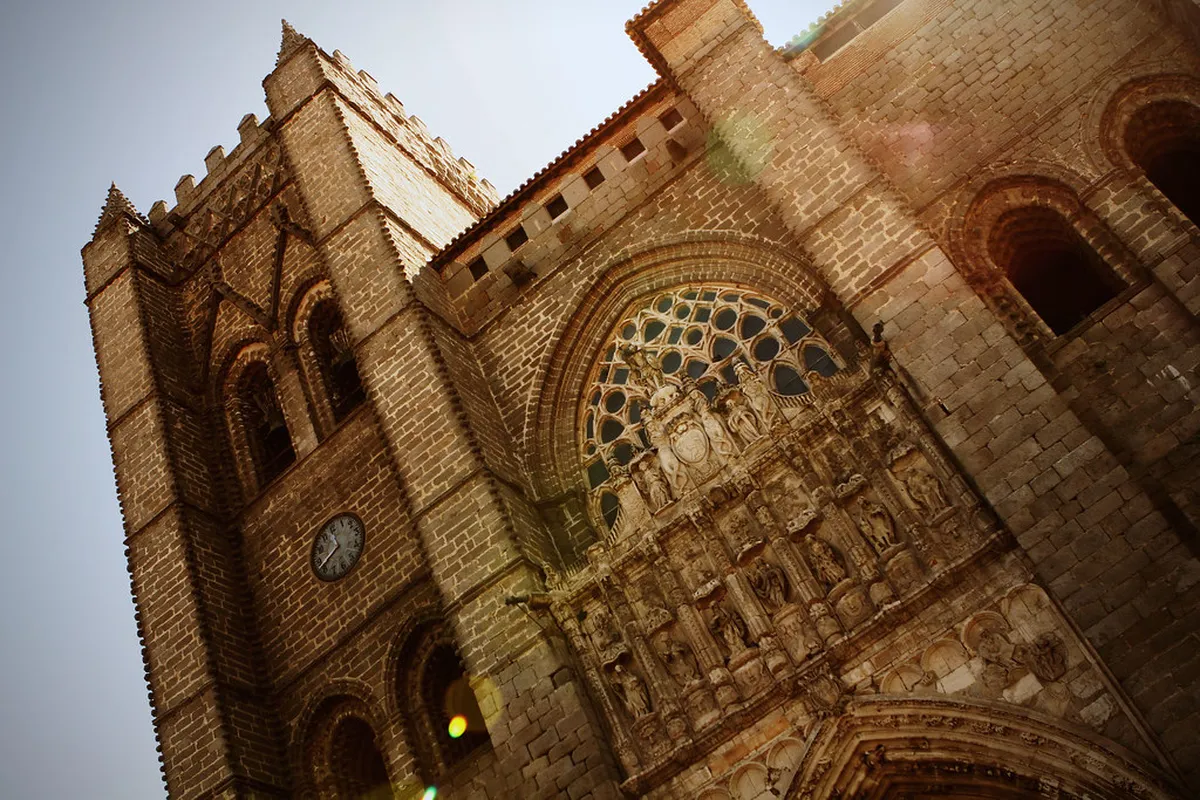
Table of Contents
Discover Why Ávila Cathedral is a True Fortress
Ávila, Spain, boasts some of the most impressive medieval walls in Europe. These historic fortifications completely encircle the city. But the city's cathedral also stands as a powerful fortress. It blends religious devotion with crucial defensive architecture. This unique design reveals much about Ávila's past challenges. You can explore the architecture of Ávila's walls for context. In 2025, discover why Ávila Cathedral is a fortress and a spiritual sanctuary.
Ávila's Medieval Defense Needs
Ávila's strategic location made it a frontier city for centuries. It lay on the shifting border between Christian and Moorish territories. Constant threats of invasion necessitated strong defenses. The city needed every structure to contribute to its protection. This historical reality shaped its unique architectural identity.
The city's formidable walls were a primary defense. However, the cathedral's east end was cleverly integrated into them. This design offered an extra layer of security. It made the church an indispensable part of the city's fortification system. Learn more about Ávila's construction history.
Construction began in the late 11th or early 12th century. It coincided with the Christian Reconquista efforts. King Alfonso VI initiated the city's rebuilding. His vision included a cathedral that could withstand sieges. This dual purpose was central to its original plan. The Gothic architecture in Ávila often adapted to practical needs.
Fortress Features of Ávila Cathedral
The most striking fortress feature is its eastern apse. This section forms part of the city wall itself. It boasts robust, unadorned stone and battlements. These elements are typical of military architecture, not religious buildings. The apse features narrow slits, not large windows.
Thick granite walls reinforce the cathedral's structure. These walls could withstand prolonged attacks. Two massive fortified towers flank the apse. These towers, known as Cubos, are fully integrated into the city's defenses. They allowed defenders to repel invaders effectively. Explore other fortified towers of Ávila.
The exterior resembles a castle more than a church. The buttresses are exceptionally heavy and wide. They provide structural support and defensive strength. You can even see watchtowers and patrol paths. These features highlight the cathedral's military role. The defensive elements of Ávila Cathedral are truly remarkable.
Internally, the cathedral functions as a sacred space. However, its robust construction is evident throughout. The initial Romanesque design contributed to its solidity. Later Gothic additions maintained this defensive aesthetic. This blending of styles makes it truly unique. It stands as a testament to medieval ingenuity. Consider the Romanesque churches in Ávila for comparison.
Visiting This Unique Cathedral Fortress
Visiting Ávila Cathedral offers a unique experience for travelers. You witness a remarkable architectural fusion. The cathedral is open daily for visitors. Check official websites for updated hours in 2025.
Entrance fees are usually around €5-€7 for general admission. This includes access to the museum and cloister. Guided tours may incur additional costs. Consider purchasing tickets online in advance. This can help you avoid queues during peak season. You can explore the Ávila Cathedral interior in detail.
Here are some tips for your visit:
- Allocate Time: Dedicate at least two hours to fully explore the site.
- Comfortable Shoes: Wear comfortable shoes, as you will do a lot of walking.
- Photography: Photography is generally allowed without flash, but check signs.
- Respect: Be respectful of any active worship taking place inside the cathedral.
Start with the exterior apse and its defensive features. Then move inside to appreciate the sacred art. Don't miss the impressive altarpiece and choir stalls. The blend of military and religious architecture is striking. It’s an ideal stop on an Ávila self-guided walk.
Frequently Asked Questions
⭐ Recommendation: Don't miss out on amazing Madrid tours - book now!
Why does Ávila Cathedral have such strong walls?
Ávila Cathedral features robust walls due to its historical context. It served as a critical defensive outpost. The city was a frontier during the Reconquista period. Its eastern apse was built directly into the city's main wall. This made it an integral part of Ávila's fortifications. You can see how the Ávila architecture guide explains this.
Can you walk on the defensive parts of Ávila Cathedral?
Yes, parts of the cathedral's defensive structure are accessible. The eastern apse is integrated with the city walls. Visitors can often access sections of the walls. This allows you to walk along the battlements. You can experience the same views as medieval defenders. Learn more about walking the Ávila walls. Confirm access details when you visit.
What architectural styles are visible in Ávila Cathedral?
Ávila Cathedral exhibits a fascinating mix of architectural styles. Its earliest sections show Romanesque influences. These contribute to its sturdy, fortress-like base. Later additions showcase impressive Gothic architecture. This includes soaring vaults and intricate carvings. This blend highlights its long construction period.
Ávila Cathedral truly stands as a marvel of medieval engineering. It symbolizes both deep faith and robust defense. This Spanish landmark uniquely combines sacred and military roles. Understanding its fortress design enriches your visit. It offers insights into Ávila's turbulent past.
Plan your trip to this extraordinary site in 2025. Experience the best architecture viewpoints in Ávila. You will surely appreciate its dual identity. For more detailed information, consult Ávila Cathedral fortress resources.
Key Takeaways
- Ávila Cathedral served dual roles as both a church and a crucial fortress.
- Its eastern apse is cleverly integrated directly into Ávila's famous city walls.
- Thick granite walls, battlements, and towers define its unique defensive architecture.