
Ávila Walls Architecture: A Guide to Spain's Historic Fortifications
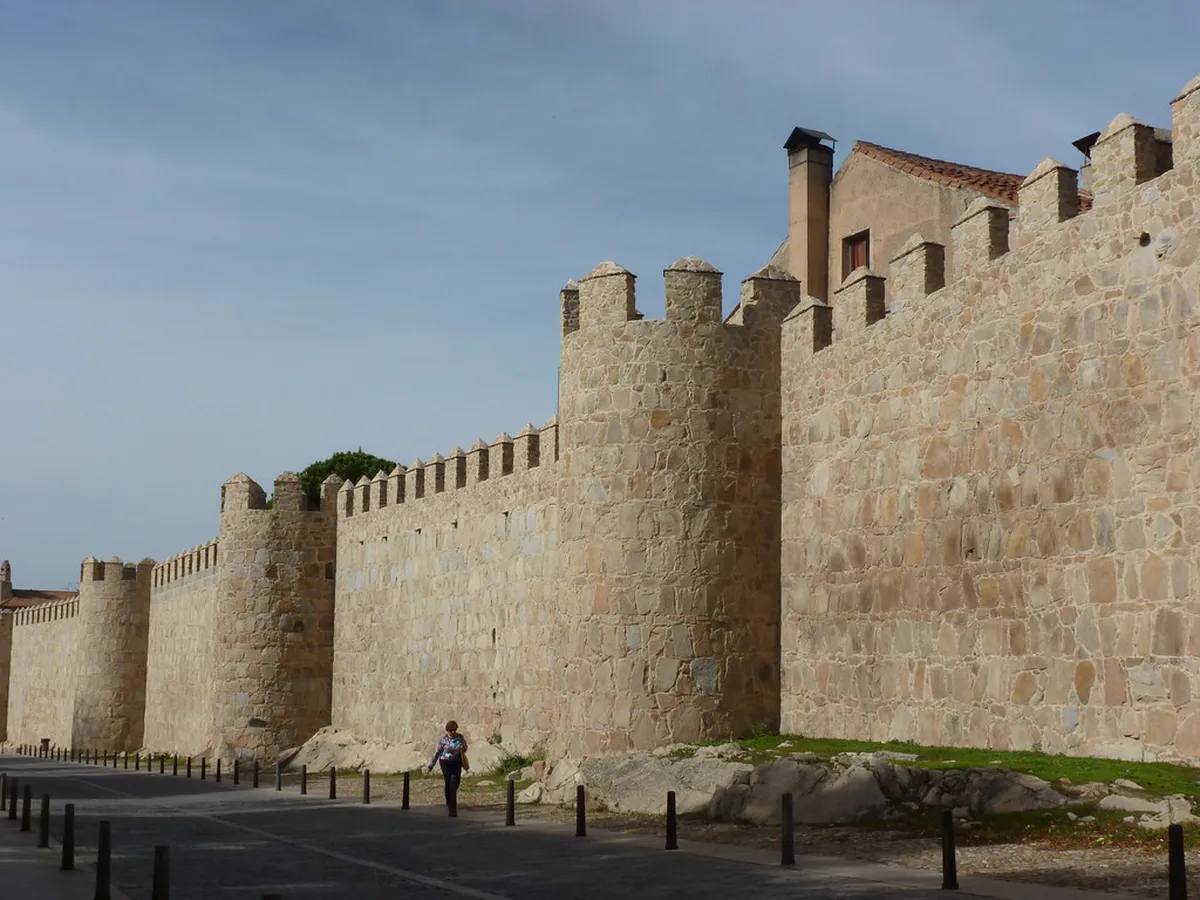
Table of Contents
Explore the Magnificent Ávila Walls Architecture in 2025
Ávila, Spain, boasts Europe's best-preserved medieval walls. The magnificent Ávila Walls architecture captivates every visitor. These ancient fortifications define the city's unique charm. They tell tales of centuries past and powerful history.
Exploring these UNESCO World Heritage Walls offers a remarkable experience. You will uncover intricate design and robust construction. This guide helps you understand their impressive architectural legacy. Plan your visit to this historic Spanish treasure for 2025. For more on the city's heritage, explore Ávila's architecture deeply. Consider walking the Ávila Walls for the best views.
The Enduring History of Ávila's Fortifications
The construction of the Ávila Walls began in the late 11th century. Alfonso VI commissioned their building after reconquering the city. Roman foundations likely existed beneath the current structure. Moorish and Christian influences shaped its early design.
These walls served a crucial defensive purpose. They protected Ávila from invaders for centuries. Their imposing presence discouraged many attacks. The rapid construction utilized local granite stone. This ensured immense strength and durability for the fortifications.
Records suggest a remarkably swift construction period. It took less than ten years to complete most sections. This project involved a massive workforce. You can learn more about the history of Ávila's construction. Discover how they became an iconic symbol.
Later repairs and additions maintained their integrity. The walls adapted to changing military technologies. They remain largely untouched since the 12th century. This preservation makes them a global architectural marvel. Understand the construction methods used by their builders. It is truly an impressive feat.
Though their exact architects remain debated, the results speak for themselves. Moorish master builders are often credited with the initial layout. Christian craftsmen completed the bulk of the work. Find out who built the medieval walls of Ávila. Their legacy stands strong today.
Key Architectural Features of Ávila Walls
The Ávila Walls boast a perimeter of 2,516 meters (1.5 miles). They feature 87 semi-circular towers, or cubos. These towers reinforce the wall's strength at regular intervals. They also provided vantage points for defenders.
Nine monumental gates, or puertas, pierce the walls. Each gate has a distinct design and historical significance. The Puerta del Alcázar is one of the most impressive. Its twin towers guard the eastern entrance. Explore Ávila's city gates for their unique details.
The walls stand 12 meters (40 feet) high in many places. Their average thickness is 3 meters (10 feet). Merlons and battlements crown the entire structure. These features offered protection for archers and soldiers. Discover the key architectural features firsthand.
Local gray granite forms the primary building material. This stone provides exceptional durability. The masonry techniques used were highly advanced. They created a cohesive and robust defensive barrier. Learn about the stone masonry techniques that shaped these walls. It is truly remarkable craftsmanship.
The Ávila Walls architecture blends Romanesque and early Gothic styles. Some towers were integrated into other buildings. The Cathedral of Ávila, for instance, forms part of the wall itself. This unique integration highlights its defensive purpose. You can also see the imposing fortified towers of Ávila that dot the perimeter.
Experiencing the Iconic Ávila Walls Architecture
Walking atop the Ávila Walls is an unforgettable experience. Approximately 1,700 meters (5,577 feet) are accessible to visitors. This elevated path offers panoramic views of the city. You will see Ávila's historic center and surrounding countryside.
Access points are available at several gates. The main entrance is near Puerta del Alcázar. It costs around 5 Euros for general admission in 2025. Reduced rates are available for students and seniors. Check official websites for updated hours and prices.
Plan at least one hour to walk a significant section. Many people spend more time absorbing the views. Sunset offers especially stunning photographic opportunities. Consider a self-guided walk to explore at your own pace. Discover hidden historical markers.
Various viewpoints around Ávila offer spectacular wall vistas. Los Cuatro Postes provides an iconic photo spot. This monument sits just outside the city. It perfectly frames the entire walled enclosure. Find the best architecture viewpoints for your photos. Capture the essence of Ávila.
Visiting at night reveals a different charm. The walls are beautifully illuminated after dark. This creates a magical and dramatic atmosphere. Capture the serene beauty of Ávila at night. It is an experience you will cherish.
Beyond the Walls: Ávila's Inner Architectural Treasures
🎯 Insider Tip: Discover the best Madrid experiences with Viator Tours!
While the walls dominate Ávila's skyline, the city holds many other gems. The Ávila Cathedral is a stunning example of Gothic architecture. It is uniquely integrated into the defensive wall structure. This makes it Spain's first fortified cathedral. Explore the Ávila Cathedral fortress for its unique design.
Ávila also boasts beautiful Romanesque churches. The Basílica de San Vicente stands outside the walls. It showcases intricate Romanesque details. These churches reflect the city's deep religious heritage. Discover the charm of Ávila's Romanesque churches. Each tells a story through its stone.
Inside the walls, you will find impressive Renaissance palaces. These grand residences belonged to noble families. Their courtyards and facades display exquisite craftsmanship. The Palacio de Polentinos is a notable example. Learn more about Ávila's Renaissance palaces. They offer a glimpse into aristocratic life.
The Monasterio de Santo Tomás features striking Gothic elements. Its cloisters provide a peaceful retreat. This monastery once housed the tomb of Prince Juan. It represents a significant historical landmark. Delve into Gothic architecture in Ávila through its magnificent structures. There is so much to see beyond just the walls.
Ávila's architecture extends beyond major monuments. Wander through narrow streets to find hidden gems. Charming squares and traditional houses await discovery. Each building contributes to Ávila's unique historical tapestry. Consider a broader Ávila architecture guide for your visit. You'll find a city rich in history.
Frequently Asked Questions
How long does it take to walk the Ávila Walls?
You can walk roughly 1.7 kilometers (1.05 miles) of the walls. Plan at least one hour for a leisurely stroll. This allows time for photos and enjoying the views. Some sections might require a bit more time to explore fully.
What is the cost to visit the Ávila Walls in 2025?
General admission to walk the walls is typically around 5 Euros. Reduced prices apply for children, students, and seniors. It is always wise to check the official tourism website for current 2025 pricing. Entrance fees may vary slightly by season or special events.
Are the Ávila Walls better to visit during the day or at night?
Both daytime and nighttime visits offer unique experiences. Daytime provides clear views of the city and surrounding landscape. Nighttime offers a magical atmosphere with beautifully illuminated walls. Consider visiting during both times if your schedule permits. For stunning evening shots, explore Ávila at night photography. You won't be disappointed.
The Ávila Walls architecture stands as a testament to medieval engineering. Its enduring strength and beauty captivate visitors worldwide. Walking these ancient ramparts connects you with centuries of history. It offers unparalleled views and insights into Spain's past.
Don't miss the opportunity to explore this UNESCO World Heritage site in 2025. Immerse yourself in Ávila's rich architectural heritage. Plan your visit to discover this remarkable city. For more detailed information, consult a comprehensive Ávila architecture guide. Experience history firsthand and support Ávila's preservation efforts.
Key Takeaways
- The Ávila Walls are Europe's best-preserved medieval walls, a UNESCO site.
- Walk a 1.7 km section of the walls for panoramic city and countryside views.
- Explore 87 towers and 9 gates, showcasing Romanesque and Gothic influences.
- Beyond the walls, visit the fortified Cathedral and historic palaces.
- Plan your 2025 visit for day and night experiences, both offer unique charm.