
Almería's Alcazaba Watchtowers: A Guide for 2025
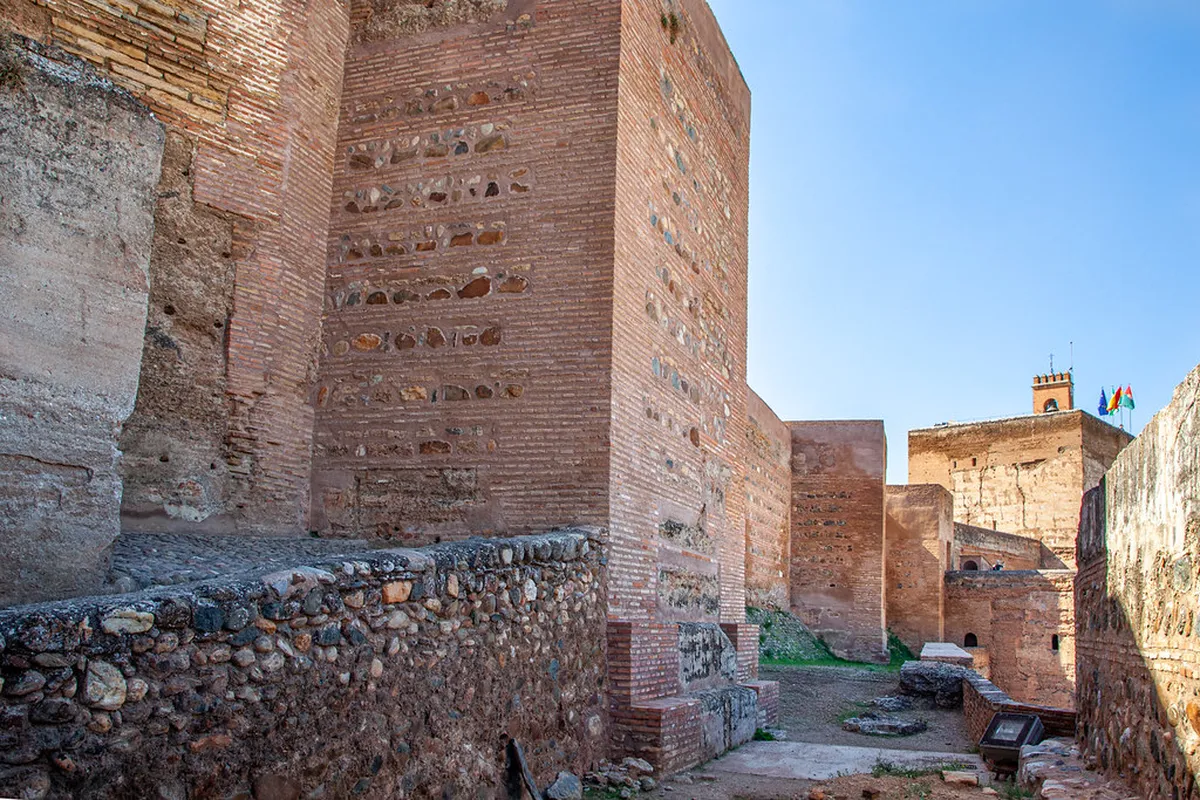
Table of Contents
Explore Almería's Historic Alcazaba Watchtowers
The Alcazaba of Almería stands as a testament to the city's rich past. Its mighty walls and impressive Alcazaba watchtowers capture visitors' imaginations. These towers offer a glimpse into Almería's defensive history. They also provide breathtaking panoramic views.
Understanding the Alcazaba of Almería architecture enhances any visit. You will appreciate the clever engineering and strategic placement. This guide covers everything about the watchtowers for your 2025 trip. Explore their history, design, and what to expect when you visit. Discover why these structures are so important to Almería's architectural landscape.
The Strategic Role of Alcazaba Watchtowers
The Alcazaba watchtowers played a crucial role in Almería's defense. They provided early warnings against approaching enemies. Their strategic placement offered clear lines of sight. Guards could spot threats from both land and sea easily.
These towers were vital during the Islamic era. Almería was a powerful port city at that time. Protecting its wealth and people was paramount. The watchtowers stood as vigilant sentinels over the entire region.
Each tower had specific responsibilities. Some watched the harbor for pirate raids. Others monitored the surrounding plains. This network ensured comprehensive security for the fortress and city. It was a sophisticated system of defense.
The towers are integral to Almería's fortification history. They represent centuries of military engineering. Their enduring presence speaks to their original effectiveness. Visitors can still feel their historical significance today.
Key Alcazaba Watchtowers and Their Design
Several notable Alcazaba watchtowers stand out within the fortress. The Torre de la Vela is one of the most prominent. It offers incredible views across the city and port. This tower symbolizes the city's resilience.
Another significant structure is the Torre del Homenaje. This tower, part of the third bailey, is a later Christian addition. It showcases different architectural styles. You can learn more about exploring the three baileys of the Alcazaba during your visit.
Many smaller, unnamed watchtowers dot the fortress walls. Each contributed to the overall defense. They often feature simple, sturdy construction. These towers blend seamlessly into the powerful ramparts.
The towers often have square or rectangular bases. Their robust construction uses local stone. These design choices ensured maximum stability and strength. Their endurance through centuries is remarkable.
Moorish Influence on Watchtower Architecture
The original Alcazaba watchtowers primarily showcase Moorish architecture. This style emphasizes defensive strength and functional beauty. They reflect the sophistication of Islamic builders. Their methods were advanced for their time.
You can observe distinct features in their construction. Thick walls and minimal openings are common. These elements provided maximum protection. The towers were designed to withstand sieges effectively.
Local building materials were expertly utilized. Stone and mortar formed resilient structures. The seamless integration with the natural terrain is also characteristic. Discover more about Moorish architecture in Almería for context. This approach maximized defensive capabilities.
While some towers have Christian modifications, the core design remains Moorish. These ancient structures tell tales of a bygone era. They offer valuable insights into historical engineering. This makes them fascinating to explore.
Panoramic Views from the Alcazaba Watchtowers
🌟 Local Expert Tip: Get the most out of your Almeria visit with guided tours!
The Alcazaba watchtowers offer some of Almería's best views. From their heights, you see the Mediterranean Sea stretching endlessly. The city's rooftops and historic center unfold below. It is a truly breathtaking panorama.
You can capture stunning photographs from these vantage points. The views include the port, the Almería Cathedral, and beyond. Consider visiting at sunset for truly spectacular colors. This time offers magical lighting for photography.
Looking north, the mountains provide a dramatic backdrop. To the east, you might spot the Cable Inglés. This historic loading dock stands proudly. The watchtowers provide a unique perspective on the entire city.
These views make the climb worthwhile for every visitor. They connect you with Almería's past and present. Don't forget your camera to capture these unforgettable scenes. Many consider them among the best photography spots in Almería Alcazaba.
Visiting the Alcazaba Watchtowers in 2025
🌟 Local Expert Tip: Get the most out of your Almeria visit with guided tours!
Planning your visit to the Alcazaba watchtowers in 2025 is straightforward. The Alcazaba is open year-round. Check official opening hours before your visit. They can vary seasonally or on public holidays.
Entry to the Alcazaba is generally free for EU citizens. Non-EU visitors usually pay a small fee, often around 1.50 Euros. This makes it an affordable historical experience. The site is managed by the Junta de Andalucía.
Wear comfortable shoes as you will be walking and climbing. Some areas have uneven surfaces or steps. Bring water, especially during warmer months. The Almería sun can be intense.
Aim to visit during the morning or late afternoon. This avoids the midday heat and larger crowds. Allow at least two hours to explore the Alcazaba fully. This includes time to appreciate all the impressive Alcazaba watchtowers. You might also enjoy seeing the Old Town Almería architecture after your visit.
Frequently Asked Questions
🌟 Local Expert Tip: Get the most out of your Almeria visit with guided tours!
What materials were used to build the Alcazaba watchtowers?
The Alcazaba watchtowers primarily used local materials. Stone, often limestone, was abundant in the region. Mortar provided strong binding for the blocks. This ensured durability against both invaders and time.
The early Moorish builders utilized efficient construction techniques. These methods allowed for rapid and robust building. The choice of materials reflects practicality and resourcefulness. Learn more about building materials in Almería for more context.
Are all the watchtowers within the Alcazaba accessible to visitors?
Most major watchtowers within the Alcazaba are accessible to visitors. You can typically climb the Torre de la Vela. The Torre del Homenaje in the third bailey is also often open. Some smaller towers along the walls might have restricted access.
Check for any temporary closures during your visit in 2025. Restoration work sometimes impacts accessibility. However, the main towers offer excellent viewing opportunities. They are central to the Alcazaba of Almería architecture experience.
How do the Alcazaba watchtowers compare to other Almería fortifications?
The Alcazaba watchtowers are the most prominent fortifications in Almería. They form part of the city's largest historic fortress. Other fortifications exist, like the Wall of Jayrán. However, these are less extensive.
The Alcazaba represents the pinnacle of defensive architecture locally. Its scale and preservation are unique. Visitors interested in history will find it captivating. Its towers stand unmatched in the city's defensive landscape.
The Alcazaba watchtowers offer a profound connection to Almería's past. Their history, architecture, and views are truly remarkable. Plan your 2025 visit to explore these ancient sentinels yourself. They stand as enduring symbols of the city's heritage.
Don't miss the chance to walk atop these historic walls. Experience the panoramic vistas and rich stories. For more insights into the fortress, delve deeper into the Alcazaba of Almería's architecture. Your Almería adventure awaits.
Key Takeaways
- The Alcazaba watchtowers are crucial for Almería's historical defense.
- Visit the Torre de la Vela for the best panoramic views of the city and sea.
- Wear comfortable shoes and bring water, especially during warm seasons in 2025.