
Almería Cathedral Design: Fortress, Faith, and Styles
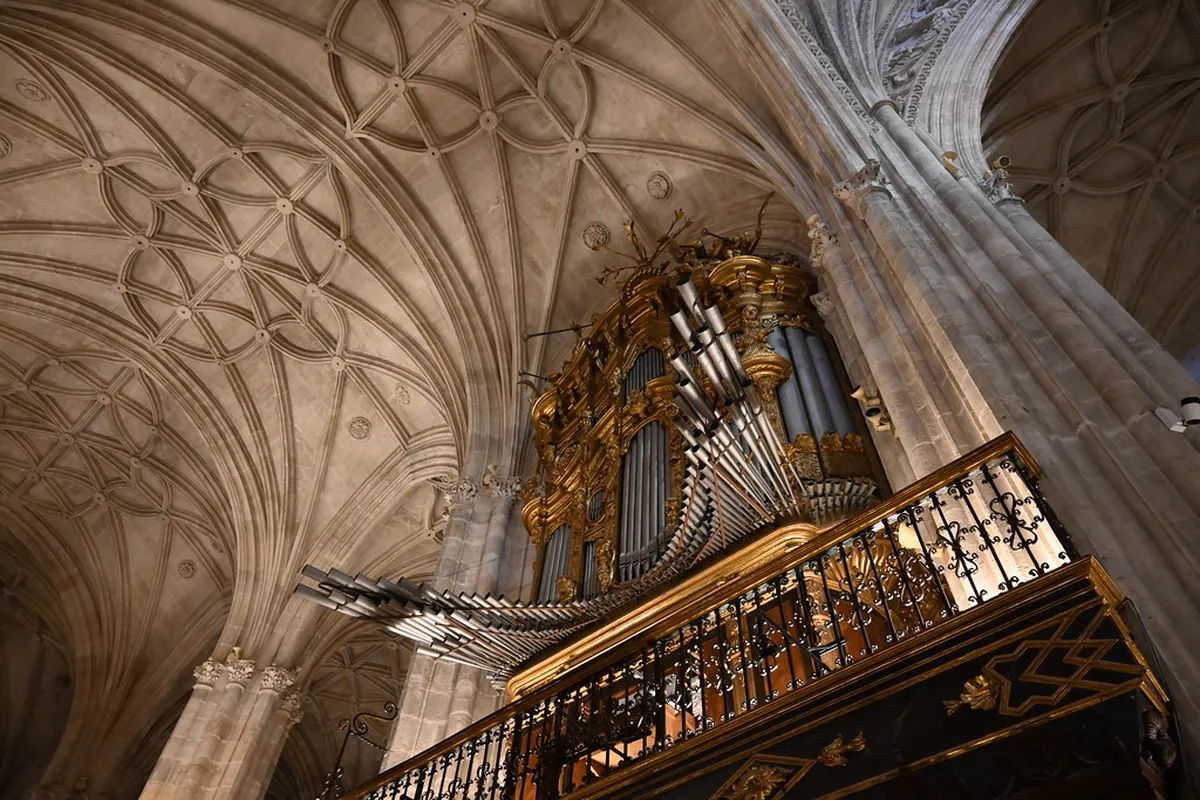
Table of Contents
Unveiling Almería Cathedral's Unique Fortress Design
Almería Cathedral stands as a testament to history. Its unique design merges religious sanctuary with defensive strength. This impressive structure captivates every visitor. You'll find it in the heart of Almería, Spain.
Understanding the Almería Cathedral design reveals centuries of challenges. Piracy threats shaped its formidable appearance. Explore more about Almería's diverse architecture. Its story is truly remarkable.
The Fortress Cathedral: A Unique Defensive Design
Almería Cathedral's design is truly unique. It was built as both a cathedral and a formidable fortress. This dual purpose stemmed from relentless pirate attacks. North African corsairs frequently raided the coast for centuries.
The original mosque was destroyed by an earthquake in 1522. Construction began in 1524 under Bishop Diego Villalán. He envisioned a highly fortified church. This protected both citizens and clergy effectively. Learn more about why Almería Cathedral is a fortress.
Strong walls and robust towers define its exterior. These elements resemble a castle more than a typical church. The buttresses are exceptionally thick. They were designed to withstand heavy cannon fire.
Look closely for the battlements and crucial loopholes. These features allowed defenders to protect the structure. The cathedral's elevated position also offered strategic advantages. It overlooks key city areas, ensuring broad visibility. This exemplifies Almería's rich fortification history.
Blending Gothic and Renaissance Architectural Styles
The Almería Cathedral design showcases a remarkable blend of styles. Its initial construction reflects late Gothic traditions. Ribbed vaults and pointed arches are evident inside. These elements provide a sense of soaring grandeur.
However, Renaissance influences quickly took hold. Diego de Siloé, a prominent architect, guided much of the work. His vision brought classical elements to the design. This created a harmonious architectural dialogue throughout.
You can clearly observe this fascinating transition. The main chapel features strong Renaissance lines. Its decorative details reflect classical antiquity. This creates a distinct contrast with earlier Gothic austerity. Discover how to identify Gothic and Renaissance features in buildings.
The beautiful cloister also exemplifies Renaissance grace. Its orderly columns and serene atmosphere invite quiet contemplation. This area offers a peaceful escape from the city bustle. Many Renaissance buildings in Almería share these elegant characteristics.
Baroque Touches and Later Additions
While Gothic and Renaissance dominate, Baroque elements also appear. These later additions further enrich the Almería Cathedral design. They add layers of intricate detail and vibrant ornamentation. These were implemented over several centuries.
The main façade, rebuilt in the 18th century, shows strong Baroque influence. Architect Ventura Rodríguez was responsible for this significant renovation. Look for the intricate carvings and undulating forms. They present a stark contrast to the original fortress walls.
Inside, several chapels feature stunning Baroque altarpieces. These highly decorative works often use rich materials. Gold leaf, elaborate sculptures, and vibrant colors are common. The Chapel of Santo Cristo is a particularly fine example. Many Baroque churches in Almería exhibit similar artistic styles.
The sacristy also displays beautiful Baroque flourishes. Its detailed woodwork and ornate furniture are striking. These elements enhance the spiritual and aesthetic experience. The careful craftsmanship is evident everywhere.
Experiencing Key Architectural Features
⭐ Recommendation: Don't miss out on amazing Almeria tours - book now!
Exploring the Almería Cathedral design means noticing specific details. Start with the powerful exterior towers. There are three main towers, each serving essential defensive roles. They feature unique openings and sturdy battlements.
Step inside to appreciate the vast, central nave. The soaring vaulted ceilings create an immediate sense of awe. Notice the intricate patterns of the rib vaulting overhead. Natural light filters beautifully through the high windows.
The main altarpiece is a significant highlight. It dates from the late 16th century. This impressive work combines painting and sculpture seamlessly. It depicts various scenes from the life of the Virgin Mary.
Visit the magnificent choir stalls. These wooden carvings are highly detailed and masterfully crafted. They represent a significant artistic achievement from their era. The grand organ above the choir is also particularly noteworthy. This area is perfect for capturing stunning architectural photography.
Planning Your Visit to Almería Cathedral in 2025
🌟 Local Expert Tip: Get the most out of your Almeria visit with guided tours!
Visiting Almería Cathedral is a must for any traveler in 2025. This historical gem is conveniently located. You can easily reach it from most city points. The cathedral stands prominently near Plaza de la Constitución.
Current entry fees are typically around 5-6 Euros for adults. This fee often includes a useful audioguide. Always check the official website for updated 2025 pricing. Discounts may be available for seniors or students, so inquire.
Opening hours vary by season and religious events. Generally, it opens from 10:00 AM to 6:00 PM. Always confirm these times before your planned visit. Morning visits often offer fewer crowds, making for a quieter experience.
Allow at least 1.5 to 2 hours for your visit. This provides ample time to appreciate all the intricate details. Consider joining an Almería architectural walking tour. Such tours often include the cathedral, offering deeper insights.
Frequently Asked Questions
Why does Almería Cathedral have such a strong, fortress-like design?
The cathedral was built during a dangerous historical period. North African pirate raids were a constant threat to the city. Its strong walls, robust towers, and battlements offered vital protection. This dual purpose was crucial for citizen and clergy safety. It showcases Almería's unique history. More on this can be found at why Almería Cathedral is a fortress.
What are the main architectural styles seen in Almería Cathedral?
The cathedral primarily blends late Gothic and Renaissance styles. Gothic elements like intricate ribbed vaults are visible inside. Renaissance influences, notably from Diego de Siloé, shaped its chapels and cloister. Later, Baroque elements were added to the main façade. This layered design makes it historically fascinating. Learn about identifying these features.
What practical tips help fully experience the Almería Cathedral's design?
Dedicate ample time for your visit, at least 1.5 to 2 hours. Consider an audioguide for detailed architectural explanations. Explore both the interior and exterior thoroughly. Look for contrasts between different historical styles. Check the 2025 opening hours and entry fees beforehand.
Is the Almería Cathedral design typical for Spanish cathedrals?
No, the Almería Cathedral design is quite unique. Most Spanish cathedrals do not feature such prominent defensive elements. Its fortress-like appearance sets it apart. This design reflects Almería's specific historical context. It is a rare and remarkable example of its kind.
The Almería Cathedral design truly tells a compelling story. It stands as a powerful symbol of resilience and enduring faith. Its unique blend of fortress and cathedral architecture is captivating. This makes it an absolutely must-visit site in Southern Spain.
Plan your 2025 trip to witness this architectural marvel firsthand. Discover the fascinating layers of history within its formidable walls. Don't miss this extraordinary piece of religious architecture.
Key Takeaways
🌟 Local Expert Tip: Get the most out of your Almeria visit with guided tours!
- Almería Cathedral is a rare example of a fortified church in Spain.
- It masterfully blends Gothic, Renaissance, and Baroque architectural styles.
- Allow plenty of time to explore its unique defensive and artistic features.